The journey toward personal transformation begins when we dare to merge the measurable truths of science with the profound wisdom of spiritual practice, creating a powerful synergy.

🌟 Bridging Two Worlds: Where Science Meets Spirit
For centuries, humanity has navigated an artificial divide between the empirical realm of science and the ethereal domain of spirituality. This separation has created unnecessary limitations in our pursuit of personal growth and success. Today, groundbreaking research in neuroscience, quantum physics, and psychology is revealing what ancient wisdom traditions have known all along: consciousness, energy, and matter are intrinsically connected.
The integration of scientific understanding with spiritual practice offers a comprehensive framework for unlocking your fullest potential. This approach doesn’t require you to abandon rational thinking or dismiss mystical experiences. Instead, it invites you to recognize that both perspectives provide valuable insights into the nature of reality and human potential.
Modern research on meditation, for instance, has demonstrated measurable changes in brain structure and function. Harvard neuroscientists have documented increased gray matter density in areas associated with learning, memory, and emotional regulation among regular meditators. This scientific validation doesn’t diminish the spiritual significance of meditation; rather, it enhances our understanding of how contemplative practices transform consciousness.
The Neuroscience of Transformation 🧠
Your brain possesses an extraordinary quality called neuroplasticity—the ability to reorganize itself by forming new neural connections throughout life. This scientific discovery aligns beautifully with spiritual teachings about transformation and personal evolution. Every thought, emotion, and experience literally reshapes your brain’s architecture.
When you engage in practices like visualization, affirmation, or mindfulness meditation, you’re not just engaging in wishful thinking. You’re actively rewiring neural pathways, strengthening connections that support your growth while weakening patterns that no longer serve you. The prefrontal cortex, responsible for executive functions like decision-making and self-control, becomes more robust through consistent practice.
Understanding this biological foundation empowers you to approach personal development with both faith and reason. You can trust in the transformative power of spiritual practices while appreciating the concrete neurological changes happening within your brain. This dual awareness creates a powerful feedback loop that accelerates your progress.
Practical Applications of Neuroplasticity
Implementing neuroplasticity principles into your daily routine doesn’t require complex techniques. Simple, consistent practices yield remarkable results over time. Consider these evidence-based approaches:
- Morning visualization sessions that activate the same neural networks as actual experiences
- Gratitude journaling to strengthen positive emotional circuits
- Mindful breathing exercises that regulate the nervous system
- Learning new skills to promote cognitive flexibility and brain health
- Physical movement practices that integrate body and mind awareness
Energy Medicine Meets Quantum Physics ⚡
Quantum physics has shattered the Newtonian worldview of a purely mechanical universe, revealing a reality far stranger and more interconnected than previously imagined. At the quantum level, particles exist in multiple states simultaneously until observed, suggesting that consciousness plays a fundamental role in shaping reality.
This scientific understanding resonates deeply with ancient spiritual concepts about energy, intention, and the interconnected nature of all things. Traditional healing systems like Traditional Chinese Medicine, Ayurveda, and Reiki have long worked with subtle energy systems in the body. While Western science is still catching up, emerging research in biofield science is beginning to measure and validate these energy phenomena.
The heart, for example, generates an electromagnetic field that extends several feet beyond the body—a field that can be measured and has been shown to affect others nearby. The HeartMath Institute has conducted extensive research demonstrating that emotional states influence this field and that coherent heart rhythms improve cognitive function, emotional balance, and physical health.
Harnessing Your Energetic Potential
Understanding yourself as an energetic being opens new pathways for personal growth. Your thoughts, emotions, and intentions carry vibrational frequencies that influence your biology and external experiences. This isn’t metaphysical speculation—it’s increasingly supported by scientific investigation.
Practices that cultivate energetic awareness and coherence include breathwork, qigong, yoga, and various forms of energy healing. These modalities help you develop sensitivity to subtle energy flows, clear energetic blockages, and align your personal frequency with your desired outcomes. When combined with evidence-based psychological techniques, they create a comprehensive approach to transformation.
The Psychology of Belief and Manifestation 🎯
Your beliefs function as powerful filters that shape perception, influence behavior, and ultimately determine outcomes. Psychological research has extensively documented the self-fulfilling prophecy effect, confirmation bias, and other mechanisms through which beliefs materialize into lived experience. This scientific understanding provides a framework for understanding manifestation principles found in spiritual traditions.
The placebo effect offers compelling evidence of belief’s biological impact. When patients believe they’re receiving treatment, measurable physiological changes occur—pain decreases, healing accelerates, and symptoms improve—even when the treatment contains no active ingredients. This demonstrates the mind’s extraordinary capacity to influence physical reality through belief alone.
Limiting beliefs act as invisible barriers to success and personal growth. These unconscious assumptions—often formed in childhood—create self-imposed limitations that feel like external constraints. By identifying and transforming limiting beliefs, you remove obstacles and expand your sense of possibility. This process combines psychological techniques like cognitive restructuring with spiritual practices of self-inquiry and awareness.
Reprogramming Your Subconscious Mind
The subconscious mind operates below conscious awareness, driving approximately 95% of your thoughts, emotions, and behaviors. It functions like a highly sophisticated operating system, running programs installed through repetition, emotional intensity, and early conditioning. To create lasting change, you must access and reprogram this deeper level of mind.
Techniques for subconscious reprogramming include hypnosis, repetitive affirmations, emotional freedom techniques, and meditation. These methods bypass the critical factor of the conscious mind, allowing new patterns to be installed directly into subconscious programming. The key is consistency—repetition creates the neural pathways that make new patterns automatic.
Emotional Intelligence as Spiritual Practice 💫
Emotional intelligence—the ability to recognize, understand, and manage emotions—represents a crucial intersection of psychological science and spiritual wisdom. Daniel Goleman’s research has shown that emotional intelligence predicts success and well-being more accurately than traditional measures of cognitive intelligence.
Many spiritual traditions emphasize emotional awareness and regulation as essential components of the path to enlightenment. Buddhism teaches mindfulness of emotions without attachment or aversion. Stoicism advocates understanding emotions as judgments that can be examined and modified. Modern psychology validates these ancient insights while providing practical frameworks for developing emotional competence.
Developing emotional intelligence requires honest self-observation, acceptance of emotional experience, and skillful response rather than reactive behavior. This practice cultivates inner stability, improves relationships, and enables you to navigate challenges with grace and wisdom. It’s both a scientifically validated skill set and a spiritual discipline.
Building Your Emotional Mastery
Emotional mastery doesn’t mean suppressing or controlling emotions; it means developing a healthy relationship with your emotional life. This includes recognizing emotional triggers, understanding the messages emotions convey, and choosing responses aligned with your values and goals.
Regular practices that strengthen emotional intelligence include self-reflection journaling, meditation, somatic awareness exercises, and compassion cultivation. These approaches help you develop the observer perspective—the ability to witness emotions without being overwhelmed by them. This metacognitive skill represents a quantum leap in consciousness development.
The Science of Mindfulness and Presence 🧘
Mindfulness—present-moment awareness without judgment—has become one of the most researched practices at the intersection of science and spirituality. Thousands of studies have documented its benefits for mental health, physical well-being, cognitive performance, and relationship satisfaction. This ancient Buddhist practice has been secularized and validated by modern science.
Neuroscience research reveals that mindfulness practice reduces activity in the default mode network, the brain system associated with mind-wandering and self-referential thinking. This quieting of mental chatter correlates with decreased anxiety, reduced rumination, and increased well-being. Simultaneously, mindfulness strengthens the prefrontal cortex and improves attention regulation.
From a spiritual perspective, presence represents the doorway to enlightenment, the state in which you transcend identification with thoughts and connect with deeper awareness. Science and spirit converge in recognizing that the quality of your attention determines the quality of your life. Where attention goes, energy flows, and reality grows.
Integrating Body, Mind, and Spirit 🌈
The Cartesian split between mind and body has been thoroughly debunked by contemporary science. Research in psychoneuroimmunology demonstrates constant bidirectional communication between psychological processes and physiological systems. Your thoughts influence your immune function, your gut microbiome affects your mood, and your emotional state impacts genetic expression.
Holistic approaches to personal growth recognize the inseparable unity of body, mind, and spirit. Physical practices like yoga, martial arts, and dance serve as moving meditations that cultivate embodied awareness. Nutritional choices affect mental clarity and emotional balance. Sleep quality influences spiritual insight and psychological resilience.
True transformation requires addressing all dimensions of your being. Intellectual understanding without embodied practice remains abstract and ineffective. Spiritual experiences without grounding in daily life become escapism. The integration of science and spirit naturally leads to comprehensive, multidimensional approaches to personal development.
Creating Your Integrated Practice
An integrated approach to personal growth might include:
- Physical movement that honors the body as temple and tool
- Nutritional choices that support optimal brain function and energy
- Mental training through reading, learning, and cognitive challenges
- Emotional processing through journaling, therapy, or somatic practices
- Spiritual connection through meditation, prayer, or nature immersion
- Social engagement that nurtures meaningful relationships and contribution
The Role of Intuition in Decision-Making 🎲
Intuition has often been dismissed as irrational or unreliable, yet psychological research reveals it as a sophisticated form of pattern recognition developed through experience. Your unconscious mind processes vast amounts of information and delivers insights as gut feelings, hunches, or sudden knowing. This capacity represents an invaluable resource for navigating complexity.
Spiritual traditions have long emphasized the cultivation of inner knowing, variously called intuition, inner guidance, or divine wisdom. The integration of science and spirit recognizes intuition as both a cognitive capacity to be developed and a channel for accessing deeper intelligence. Learning to distinguish genuine intuition from fear-based reactions or wishful thinking becomes a crucial skill.
Developing reliable intuition requires quieting mental noise, cultivating self-awareness, and learning to trust your inner compass. Meditation, contemplative practice, and mindful attention to subtle sensations strengthen intuitive capacity. As you honor both analytical thinking and intuitive knowing, you access a fuller spectrum of intelligence for decision-making and problem-solving.
Flow States and Peak Performance 🚀
Flow—the optimal state of consciousness where you feel and perform your best—represents another convergence point of science and spirituality. Mihaly Csikszentmihalyi’s research identified flow as a state characterized by complete absorption, effortless action, and intrinsic reward. Athletes call it “the zone,” artists call it inspiration, and spiritual practitioners recognize it as samadhi or unity consciousness.
Neuroscientific studies of flow reveal a unique brain state called transient hypofrontality, where the prefrontal cortex temporarily deactivates. This quieting of the inner critic and self-referential thinking allows spontaneous action and creative expression. Simultaneously, the brain releases a cascade of neurochemicals including dopamine, norepinephrine, endorphins, and anabolic steroids.
Cultivating flow requires balancing challenge and skill, maintaining clear goals, eliminating distractions, and developing deep focus. These conditions can be systematically created, allowing you to access flow states more reliably. Regular flow experiences accelerate skill development, increase life satisfaction, and provide glimpses of transcendent consciousness.
Awakening Your Authentic Purpose 🌅
Purpose provides the context that makes personal growth meaningful. Without clear direction, development becomes aimless self-improvement rather than purposeful evolution. Discovering and aligning with your authentic purpose represents perhaps the most important work of personal transformation.
Psychology research shows that people with strong sense of purpose experience better health, greater resilience, and longer lives. Purpose activates intrinsic motivation, making sustained effort feel meaningful rather than burdensome. Spiritually, purpose represents the unique expression of consciousness that you came here to manifest—your dharma, calling, or sacred mission.
Uncovering purpose requires both inner inquiry and outer experimentation. It involves identifying your deepest values, recognizing your unique gifts, acknowledging what breaks your heart, and noticing what brings you joy. Purpose isn’t something you create arbitrarily; it’s something you discover by paying attention to the threads of meaning woven throughout your life experience.
Building Sustainable Transformation Practices ⭐
Knowledge without application remains powerless. The integration of science and spirit must translate into consistent daily practices that gradually reshape your consciousness, behavior, and life circumstances. Sustainable transformation requires realistic routines that fit your lifestyle and build momentum over time.
Begin with small, manageable practices rather than overwhelming yourself with ambitious programs. A ten-minute morning meditation practice sustained for months produces more transformation than occasional marathon sessions. Consistency creates the repetition necessary for neuroplastic change and habit formation.
Track your progress to maintain motivation and adjust your approach based on results. Science emphasizes measurement and evaluation; spirit emphasizes trust and surrender. The integration honors both through mindful experimentation—trying practices, observing effects, and refining your approach based on lived experience.
Your Personal Growth Laboratory
Approach personal development as an ongoing experiment where you’re both scientist and subject. Test different practices, notice what works for you, and customize your approach. What transforms one person may not resonate with another. The goal isn’t following someone else’s formula but discovering your unique path of integration.
Create accountability structures that support your commitment without becoming punitive. Share your intentions with trusted friends, join communities of practice, or work with coaches and mentors. External support helps maintain consistency during challenging periods when motivation wanes.
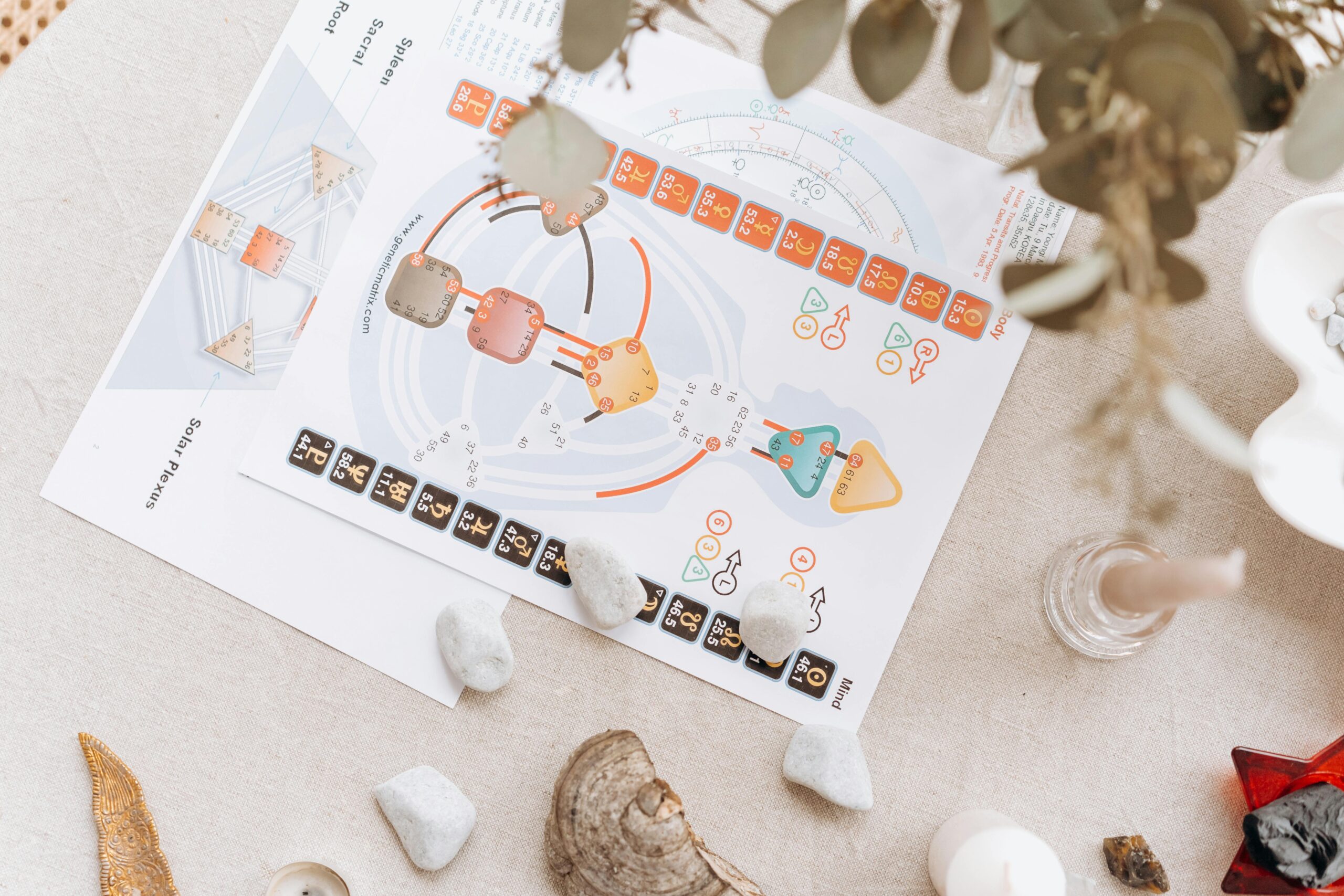
Embracing the Journey of Continuous Evolution 🦋
The integration of science and spirit isn’t a destination but an ongoing journey of discovery and development. As you grow, new capacities emerge, fresh challenges arise, and deeper layers of potential reveal themselves. This continuous evolution represents the natural unfolding of consciousness awakening to itself.
Celebrate progress while maintaining humility about how much remains unknown. Science continually revises understanding based on new evidence; spiritual wisdom reminds us that mystery will always exceed comprehension. This paradox—knowing much while recognizing how little we know—creates the perfect attitude for lifelong learning.
Your commitment to integrating science and spirit contributes not only to your personal growth but to collective evolution. As you transform, you impact everyone around you through energetic resonance, behavioral modeling, and conscious contribution. Individual awakening and collective transformation are inseparable processes.
The power within you awaits activation through the marriage of empirical understanding and transcendent experience. By honoring both the measurable truths of science and the profound insights of spiritual wisdom, you unlock capacities beyond ordinary functioning. This integrated approach accelerates personal growth, enhances success across all life domains, and connects you with your deepest potential. The journey begins with a single intentional step—a commitment to embrace both knowledge and wisdom, both reason and intuition, both analysis and awareness. In this integration, you discover not just techniques for improvement but a transformative way of being that naturally expresses your highest possibilities.