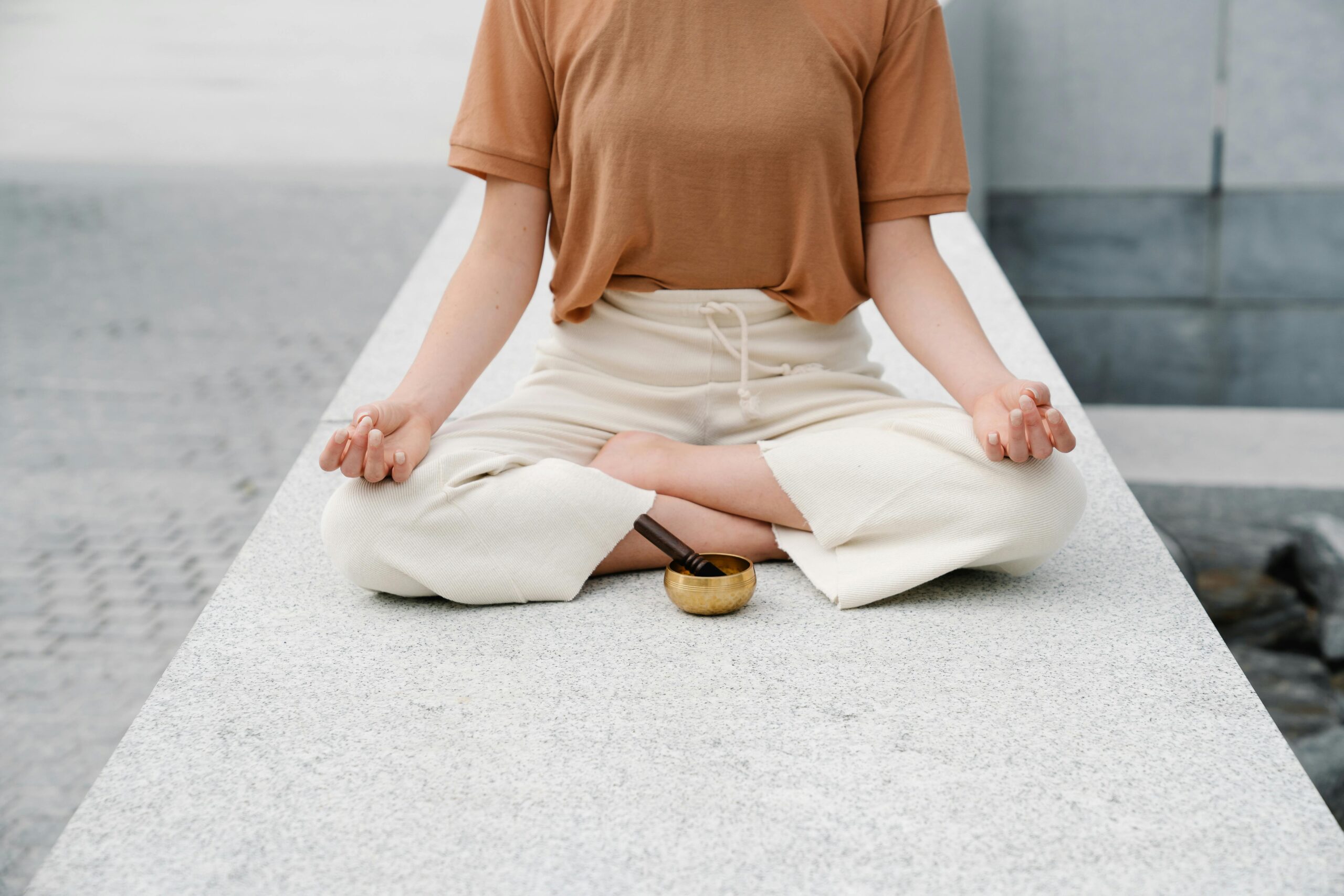
Breathing is something we do every moment of our lives, yet most of us rarely pay attention to its profound impact on our mental and physical well-being.

In our fast-paced modern world, stress has become an unwelcome companion for millions of people. We’re constantly bombarded with notifications, deadlines, and responsibilities that keep our nervous systems in a perpetual state of alert. While we search for complex solutions to manage our health and wellness, the answer has been with us all along—literally right under our noses. The simple act of conscious breathing, combined with mindfulness practices, holds transformative power that science is only beginning to fully understand.
This ancient wisdom, practiced for thousands of years in various cultures, is now being validated by cutting-edge neuroscience and medical research. From reducing anxiety and improving cardiovascular health to enhancing cognitive performance and emotional regulation, the science of breath and mindfulness offers a comprehensive approach to optimal wellness that’s accessible to everyone, regardless of age, fitness level, or background.
🧠 The Neuroscience Behind Breath Awareness
When we engage in conscious breathing, we’re doing far more than simply moving air in and out of our lungs. We’re actively influencing our brain chemistry, neural pathways, and entire nervous system. Research from leading neuroscience institutions has revealed that deliberate breathing patterns can directly affect the brain’s limbic system—the emotional control center responsible for stress responses, memory formation, and mood regulation.
The vagus nerve, which connects the brain to major organs throughout the body, plays a crucial role in this process. This nerve acts as a communication highway, sending signals between the brain and organs like the heart, lungs, and digestive system. When we practice slow, deep breathing, we stimulate the vagus nerve, activating the parasympathetic nervous system—our body’s natural relaxation response.
Studies using functional MRI scans have shown that mindful breathing practices can actually change brain structure over time. Regular practitioners show increased gray matter density in regions associated with emotional regulation, self-awareness, and perspective-taking. These neuroplastic changes aren’t just temporary—they represent fundamental shifts in how our brains process stress, emotions, and sensory information.
The Oxygen-Carbon Dioxide Balance
Most people believe that breathing is primarily about getting more oxygen into the body, but the relationship between oxygen and carbon dioxide is more nuanced than that. Carbon dioxide isn’t just a waste product—it plays a critical role in oxygen delivery to our cells through what’s known as the Bohr effect. When we breathe too rapidly or shallowly (a common response to stress), we actually reduce carbon dioxide levels too much, which paradoxically makes it harder for oxygen to be released from hemoglobin into our tissues.
Proper breathing techniques help maintain optimal carbon dioxide levels, ensuring efficient oxygen delivery throughout the body. This is why techniques like box breathing, alternate nostril breathing, and extended exhalations can have such profound effects on energy levels, mental clarity, and physical performance.
💪 Physical Health Benefits of Breathwork
The physical benefits of conscious breathing extend far beyond stress reduction. Research has documented improvements across multiple body systems when individuals incorporate regular breathwork into their daily routines.
Cardiovascular System Enhancement
Controlled breathing exercises have been shown to lower blood pressure, reduce heart rate variability in beneficial ways, and improve overall cardiovascular function. A study published in the Journal of Hypertension found that slow breathing exercises practiced for just 15 minutes daily resulted in significant blood pressure reductions comparable to some pharmaceutical interventions, but without side effects.
The rhythmic nature of conscious breathing also promotes better circulation, helping to deliver nutrients and oxygen more efficiently throughout the body while removing metabolic waste products. This improved circulation benefits everything from skin health to cognitive function.
Immune System Strengthening
Perhaps one of the most remarkable discoveries in recent years involves the connection between breathing practices and immune function. Research led by Matthijs Kox at Radboud University demonstrated that individuals trained in specific breathing techniques could voluntarily influence their autonomic nervous system and immune response.
Participants who practiced a combination of breathing exercises, cold exposure, and meditation showed increased production of anti-inflammatory cytokines and reduced pro-inflammatory markers when exposed to bacterial endotoxins. This suggests that conscious breathing may help modulate inflammatory responses, which are implicated in numerous chronic diseases.
Digestive and Metabolic Benefits
The gut-brain axis—the bidirectional communication network between our digestive system and brain—is profoundly influenced by our breathing patterns. Stress-induced shallow breathing can disrupt digestion, contributing to issues like irritable bowel syndrome, acid reflux, and poor nutrient absorption. Conversely, diaphragmatic breathing massages internal organs, promotes healthy gut motility, and supports optimal digestive function.
Additionally, certain breathing patterns can influence metabolic rate and glucose regulation. Research has shown that specific breathwork practices may help improve insulin sensitivity and support healthy blood sugar levels, making them valuable tools for metabolic health.
🧘 Mindfulness: The Psychological Dimension
While breathwork provides the physiological foundation, mindfulness adds the psychological dimension that creates comprehensive transformation. Mindfulness—defined as present-moment awareness without judgment—naturally complements conscious breathing, creating a powerful synergy for mental and emotional well-being.
Anxiety and Depression Management
Clinical research has consistently demonstrated that mindfulness-based interventions, particularly those incorporating breath awareness, can significantly reduce symptoms of anxiety and depression. A meta-analysis of 209 studies found that mindfulness-based therapy was as effective as cognitive behavioral therapy for anxiety and depression, with the added benefit of lower relapse rates.
The mechanism appears to involve breaking the cycle of rumination—repetitive negative thinking that characterizes both anxiety and depression. By anchoring attention to the breath, individuals learn to observe thoughts without becoming entangled in them, creating psychological distance from distressing mental content.
Emotional Regulation and Resilience
One of the most valuable skills mindfulness cultivates is emotional regulation—the ability to respond to challenging situations with flexibility rather than reactivity. When we combine breath awareness with mindfulness, we create a pause between stimulus and response, allowing us to choose our reactions rather than being controlled by automatic patterns.
This enhanced emotional regulation translates to greater resilience in the face of life’s inevitable challenges. Practitioners report feeling more equipped to handle stress, conflict, and uncertainty, not because these experiences become less difficult, but because they develop new relationships with discomfort.
🔬 Evidence-Based Breathing Techniques
Different breathing techniques offer distinct benefits, and understanding these variations allows you to choose practices that align with your specific needs and goals.
Diaphragmatic Breathing
Also known as belly breathing, this foundational technique involves breathing deeply into the abdomen rather than shallowly into the chest. Place one hand on your chest and another on your belly. As you inhale, your belly should rise while your chest remains relatively still. This activates the diaphragm fully, maximizing oxygen exchange and promoting relaxation.
Box Breathing
Used by Navy SEALs and elite athletes, box breathing involves equal counts for inhale, hold, exhale, and hold—typically four counts each. This technique is particularly effective for managing acute stress and enhancing focus. The balanced rhythm promotes nervous system equilibrium and mental clarity.
4-7-8 Breathing
Developed by Dr. Andrew Weil, this technique involves inhaling for 4 counts, holding for 7 counts, and exhaling for 8 counts. The extended exhalation activates the parasympathetic nervous system, making this practice especially valuable for reducing anxiety and promoting sleep.
Alternate Nostril Breathing
This yogic practice (Nadi Shodhana) involves alternating breathing through each nostril. Research suggests this technique can help balance the hemispheres of the brain, reduce stress, and improve respiratory function. It’s particularly beneficial for calming an overactive mind.
⏰ Creating Your Daily Practice
Knowledge without application remains merely theoretical. The true power of breathwork and mindfulness emerges through consistent practice. The good news is that you don’t need hours of daily practice to experience benefits—even small, consistent efforts can yield significant results.
Starting Small and Building Gradually
Begin with just five minutes daily. Choose a specific time—perhaps upon waking or before bed—to anchor your practice. Consistency matters more than duration, especially in the beginning. As the habit solidifies, you can gradually extend your practice time.
Set up environmental cues that support your practice. This might be a specific cushion, a particular corner of your room, or even a reminder on your phone. These cues help condition your mind and body to transition into practice mode more easily.
Integration Throughout Your Day
Beyond formal practice sessions, look for opportunities to integrate breath awareness throughout your day. Take three conscious breaths before meals, during transitions between activities, or while waiting in line. These micro-practices accumulate, creating a foundation of present-moment awareness that supports overall well-being.
Use challenging moments as reminders to return to your breath. When you notice stress, frustration, or anxiety arising, let these sensations serve as bells of mindfulness, calling you back to conscious breathing. Over time, this transforms obstacles into opportunities for practice.
🌟 Advanced Applications and Optimization
As your practice deepens, you may want to explore more advanced applications of breathwork and mindfulness for specific goals.
Performance Enhancement
Athletes and performers increasingly use breathwork to enter optimal performance states. Specific breathing patterns can enhance focus, manage pre-performance anxiety, and support physical endurance. The key is matching the breathing pattern to the desired state—energizing breaths before activity, calming breaths to manage nerves.
Sleep Quality Improvement
Breathing practices can dramatically improve sleep quality. The 4-7-8 technique mentioned earlier is particularly effective, but other approaches like progressive relaxation combined with breath awareness can help quiet the mind and prepare the body for restorative sleep. Practicing breathwork in bed teaches the nervous system to associate lying down with relaxation rather than worry.
Pain Management
Research has shown that mindful breathing can modulate pain perception by affecting how the brain processes pain signals. While not a replacement for appropriate medical care, breathwork can be a valuable complementary tool for managing chronic pain conditions. The practice helps create psychological distance from pain sensations and may reduce the emotional suffering associated with physical discomfort.
🌈 Overcoming Common Obstacles
Despite the simplicity of breathwork and mindfulness, practitioners often encounter challenges. Understanding these common obstacles and their solutions can help you maintain a sustainable practice.
The “I Don’t Have Time” Paradox
Many people believe they’re too busy for mindfulness practice, yet this belief itself reflects the stressed, reactive state that mindfulness addresses. Start by reframing the question: it’s not whether you have time, but whether you value your mental and physical health enough to prioritize it. Even two minutes of conscious breathing can shift your physiological state and improve decision-making, potentially making you more efficient in other areas.
Dealing with Physical Discomfort
Some people experience dizziness, tingling, or other sensations when first practicing conscious breathing. These are often normal responses as your body adjusts to different oxygen and carbon dioxide levels. Start gently, avoid forcing the breath, and if symptoms persist, consult a healthcare provider. Remember that conscious breathing should feel comfortable, not strained.
The Wandering Mind
Perhaps the most common complaint is that the mind won’t stay focused on the breath. This is completely normal and not a sign of failure. The practice isn’t about achieving a perfectly focused mind—it’s about noticing when attention has wandered and gently returning it to the breath. Each return strengthens the neural pathways of awareness and attention.

✨ The Transformative Journey Ahead
The science of breath and mindfulness represents more than just another wellness trend—it’s a fundamental approach to human health that addresses root causes rather than merely treating symptoms. As research continues to unveil the mechanisms behind these ancient practices, we’re discovering that the power to significantly influence our health and well-being has been with us all along.
What makes breathwork and mindfulness particularly remarkable is their accessibility. Unlike many health interventions that require expensive equipment, special facilities, or professional assistance, these practices can be done anywhere, anytime, by anyone. Your breath is always with you, making it the most portable wellness tool imaginable.
The journey toward optimal health and wellness through breath and mindfulness is deeply personal. What works perfectly for one person may need adaptation for another. Give yourself permission to experiment, to find the practices that resonate with you, and to evolve your approach over time. The beauty lies not in achieving some perfect practice, but in the ongoing exploration and discovery.
As you begin or deepen your practice, remember that transformation doesn’t happen overnight. The brain’s neuroplasticity, while powerful, requires consistent input over time to create lasting change. Be patient with yourself, celebrate small victories, and trust the process. Each conscious breath is a step toward greater health, clarity, and well-being.
The power within you is waiting to be unlocked—one breath at a time. Through the simple yet profound practices of conscious breathing and mindfulness, you hold the key to transforming not just your health, but your entire relationship with life itself. The question isn’t whether these practices work—the science has already answered that. The only remaining question is whether you’re ready to begin. 🌬️