Ancient pranayama breathing techniques are experiencing a renaissance as modern science validates what yogis have known for millennia: controlled breathing can transform health and wellbeing.

🌬️ The Ancient Wisdom Meeting Modern Validation
For thousands of years, practitioners of yoga have maintained that pranayama—the deliberate control of breath—holds extraordinary power to heal the body, calm the mind, and elevate consciousness. What was once considered mystical tradition is now being rigorously examined in research laboratories worldwide, with findings that are nothing short of remarkable.
The word pranayama derives from two Sanskrit roots: “prana” meaning life force or vital energy, and “ayama” meaning extension or expansion. Together, they describe practices that extend and control the breath to influence our physical, mental, and energetic states. These techniques, documented in ancient texts like the Yoga Sutras of Patanjali and the Hatha Yoga Pradipika, are now revealing their secrets to scientific scrutiny.
Contemporary research has demonstrated that pranayama practices can significantly impact cardiovascular health, respiratory function, nervous system regulation, cognitive performance, and psychological wellbeing. The bridge between ancient wisdom and modern science is not only validating traditional practices but also helping us understand the precise mechanisms through which they work.
Understanding the Fundamental Pranayama Techniques
Before exploring the scientific benefits, it’s essential to understand the core pranayama practices that have been transmitted through generations of yoga teachers. Each technique has specific characteristics, purposes, and physiological effects.
Nadi Shodhana: The Channel Purification Breath
Also known as alternate nostril breathing, Nadi Shodhana is perhaps one of the most studied pranayama techniques. Practitioners alternately close one nostril while breathing through the other, creating a balanced rhythm between the left and right nasal passages. This practice is traditionally believed to purify the subtle energy channels of the body.
The technique involves using the thumb to close the right nostril while inhaling through the left, then closing the left nostril with the ring finger while exhaling through the right. The pattern continues, creating a complete cycle that balances the nervous system and promotes mental clarity.
Ujjayi: The Victorious Breath
Ujjayi pranayama involves slightly constricting the throat while breathing, creating a soft ocean-like sound. This technique generates internal heat, focuses attention, and regulates the breath rate. It’s commonly practiced during physical yoga asanas but can also be performed independently for its calming and centering effects.
Kapalabhati: The Skull-Shining Breath
This energizing technique consists of forceful exhalations through the nose, with passive inhalations occurring naturally. The abdominal muscles contract powerfully with each exhalation, creating a pumping action. Kapalabhati is considered a cleansing practice that increases oxygen delivery to tissues and stimulates the digestive fire.
Bhramari: The Humming Bee Breath
In Bhramari pranayama, practitioners create a humming sound during exhalation, similar to the buzzing of a bee. This vibration has profound effects on the nervous system and is particularly effective for anxiety reduction and mental tranquility. The sound creates a soothing resonance throughout the skull and brain.
🔬 The Scientific Mechanisms Behind Pranayama
Modern research has identified several key physiological pathways through which pranayama exerts its beneficial effects. Understanding these mechanisms helps demystify the ancient practices and provides a framework for integrating them into evidence-based health interventions.
Autonomic Nervous System Regulation
One of the most significant discoveries about pranayama relates to its impact on the autonomic nervous system—the control center that regulates unconscious bodily functions. Pranayama practices have been shown to shift the balance between the sympathetic (fight-or-flight) and parasympathetic (rest-and-digest) branches of this system.
Slow, controlled breathing activates the vagus nerve, the primary nerve of the parasympathetic system. This activation triggers a cascade of beneficial effects including reduced heart rate, lowered blood pressure, decreased cortisol production, and enhanced digestive function. Research using heart rate variability measurements has documented these changes objectively.
Respiratory Efficiency and Lung Function
Regular pranayama practice strengthens respiratory muscles, increases lung capacity, and improves oxygen utilization efficiency. Studies have shown improvements in forced vital capacity, peak expiratory flow rate, and maximum voluntary ventilation among consistent practitioners.
The deliberate control of breathing patterns also helps clear mucus from airways, improves alveolar gas exchange, and can even reduce symptoms in conditions like asthma and chronic obstructive pulmonary disease when practiced appropriately under guidance.
Neurochemical and Brain Activity Changes
Neuroimaging studies have revealed that pranayama practices alter brain activity patterns, particularly in regions associated with attention, emotion regulation, and self-awareness. Functional MRI scans show increased activity in the prefrontal cortex and decreased activity in the amygdala—the brain’s fear center—during and after pranayama practice.
Furthermore, controlled breathing influences neurotransmitter production. Research indicates that pranayama can increase GABA (gamma-aminobutyric acid) levels, the brain’s primary inhibitory neurotransmitter, which explains its anxiety-reducing effects. Other studies suggest impacts on serotonin and dopamine systems as well.
Evidence-Based Health Benefits for Modern Life 💪
The scientific literature now contains hundreds of studies examining pranayama’s effects on various health conditions. The evidence base, while still evolving, demonstrates compelling benefits across multiple domains of health and wellness.
Cardiovascular Health Improvements
Multiple studies have documented pranayama’s positive effects on cardiovascular parameters. Regular practice has been associated with reductions in blood pressure, improvements in heart rate variability, decreased arterial stiffness, and better endothelial function—the health of blood vessel linings.
A meta-analysis of randomized controlled trials found that pranayama significantly reduced both systolic and diastolic blood pressure in hypertensive patients. The magnitude of reduction was clinically meaningful and comparable to some pharmaceutical interventions, though pranayama should complement rather than replace prescribed medications.
Stress and Anxiety Reduction
Perhaps the most well-documented benefit of pranayama is its capacity to reduce perceived stress and anxiety. Numerous studies across diverse populations—from college students to healthcare workers to patients with diagnosed anxiety disorders—have shown significant improvements in stress markers and anxiety scores.
The mechanisms underlying these effects include the autonomic nervous system regulation mentioned earlier, but also involve cognitive factors. The focused attention required for pranayama practice interrupts rumination patterns and provides a form of present-moment awareness similar to meditation.
Enhanced Cognitive Function
Research indicates that pranayama practices can improve various aspects of cognitive function including attention, working memory, processing speed, and executive function. Some studies suggest that the increased oxygen delivery to the brain, combined with the meditative focus required, creates optimal conditions for cognitive enhancement.
Students who practiced pranayama before examinations showed improved performance and reduced test anxiety. Workers who incorporated breathing practices into their daily routines reported better focus and productivity. These findings suggest practical applications for anyone seeking mental clarity and performance optimization.
Immune System Support
Emerging research suggests that pranayama may support immune function through multiple pathways. Stress reduction alone benefits immunity, as chronic stress suppresses immune response. Additionally, some studies have found changes in immune cell populations and inflammatory markers following regular pranayama practice.
One particularly interesting study found that pranayama practitioners had higher levels of natural killer cells and improved lymphocyte proliferation compared to non-practitioners. While more research is needed, these preliminary findings suggest potential for supporting immune resilience.
Integrating Ancient Practices into Modern Routines ⏰
The challenge for most people isn’t whether pranayama works—the evidence increasingly supports its benefits—but rather how to integrate these practices into busy contemporary lives. Fortunately, pranayama is remarkably accessible and adaptable.
Starting Your Practice: Practical Guidelines
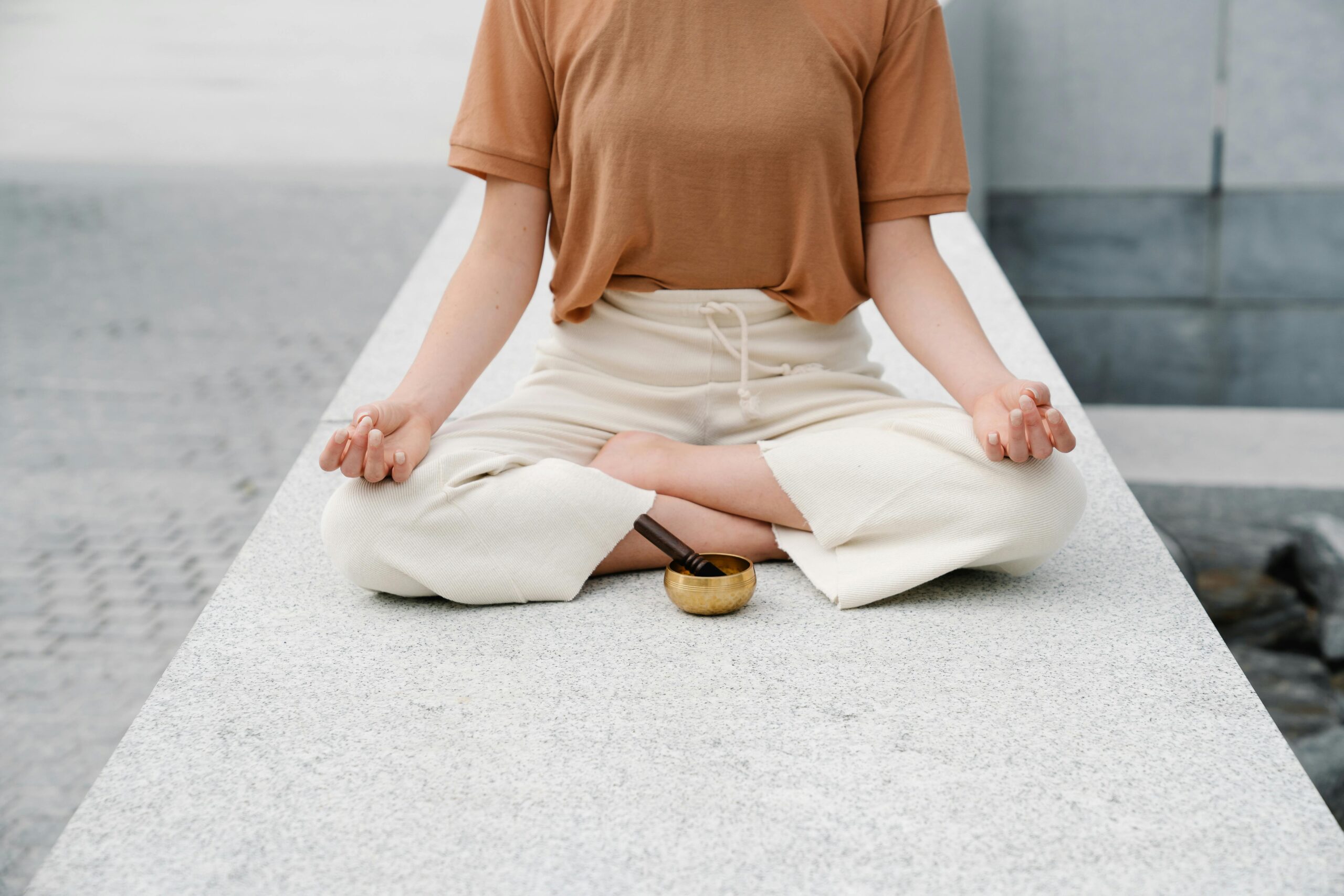
Beginning a pranayama practice doesn’t require special equipment, expensive classes, or hours of time. Even five to ten minutes daily can produce noticeable benefits. The key is consistency rather than duration.
Start with simple techniques like Nadi Shodhana or natural breath observation before progressing to more advanced practices. Always practice on an empty or light stomach, in a comfortable seated position with an upright spine. Never force the breath—pranayama should feel comfortable and sustainable.
For those seeking guidance, numerous apps and online resources can provide instruction. Reputable applications like Pranayama by Saagara or iBreathe offer structured programs with timers, counters, and progression tracking.
Creating a Sustainable Routine
The most effective pranayama practice is one you’ll actually maintain. Consider anchoring your breathing practice to an existing habit—perhaps first thing in the morning, during your lunch break, or before bed. Consistency matters more than perfection.
Track your practice and its effects. Many practitioners keep simple journals noting their practice duration, technique, and how they feel afterward. This awareness helps maintain motivation and allows you to observe patterns and progress over time.
Safety Considerations and Contraindications
While pranayama is generally safe, certain practices and conditions require caution. People with respiratory conditions, cardiovascular disease, pregnancy, or recent surgery should consult healthcare providers before beginning intensive pranayama practices.
Forceful breathing techniques like Kapalabhati should be avoided by pregnant women, people with high blood pressure, or those with hernias. Breath retention practices require careful progression and are not recommended for beginners without proper guidance.
If you experience dizziness, discomfort, or unusual symptoms during practice, stop immediately and return to normal breathing. Pranayama should never be forced or uncomfortable. The breath should remain smooth and controlled throughout.
🌟 The Synergy of Tradition and Technology
An exciting development in the pranayama field is the convergence of ancient wisdom with modern technology. Wearable devices can now monitor heart rate variability, providing real-time feedback on how pranayama affects autonomic nervous system balance. Apps can track consistency and progression while offering structured programs based on traditional teachings.
Biofeedback devices allow practitioners to observe their physiological responses during practice, making the invisible visible. This technological augmentation doesn’t replace traditional teaching but rather complements it, providing additional motivation and insight.
Virtual reality applications are even exploring immersive pranayama experiences, combining breathwork with visual and auditory guidance. While the essence of pranayama remains unchanged, these innovations may help make ancient practices more accessible and engaging for modern practitioners.
Building Bridges Between Ancient and Modern Healthcare
As evidence accumulates, pranayama is increasingly being integrated into conventional healthcare settings. Hospitals offer pranayama classes for cardiac rehabilitation patients. Mental health professionals teach breathing techniques as adjunct treatments for anxiety and depression. Corporate wellness programs incorporate pranayama for stress management.
This integration represents a maturation of our understanding—recognizing that ancient wisdom and modern medicine aren’t opposites but complementary approaches to health and healing. The mechanistic understanding provided by science validates and clarifies traditional practices without diminishing their profound value.
Medical training programs are beginning to include instruction on breathing techniques, recognizing that physicians who understand and practice pranayama can offer patients additional tools for self-care and healing. This shift represents a more holistic, integrative approach to healthcare that honors both cutting-edge research and time-tested wisdom.
Your Breath, Your Power: Taking the Next Step 🚀
The convergence of ancient pranayama techniques with modern scientific validation offers a remarkable opportunity. We now have access to powerful, evidence-based practices that require no equipment, cost nothing, and can be practiced anywhere. The benefits span physical health, mental clarity, emotional balance, and even spiritual development.
The invitation is simple: begin with your next breath. Notice its quality, rhythm, and depth. Then, with curiosity and patience, explore the traditional techniques that generations of practitioners have found transformative. Let modern science be your encouragement, but let your own experience be your ultimate teacher.
Whether you’re seeking stress relief, improved health, enhanced performance, or deeper self-awareness, pranayama offers a time-tested pathway. The ancient yogis understood something profound about the relationship between breath and life. Modern research is confirming their insights while revealing the fascinating mechanisms underlying these effects.
Your breath is always with you, always available, always ready to serve as a bridge between ancient wisdom and contemporary life. The power of pranayama isn’t locked in the past—it’s available in this moment, with your very next inhalation. The question isn’t whether these techniques work, but whether you’re ready to harness their potential for your own transformation and wellbeing.
As you embark on or deepen your pranayama journey, remember that consistency matters more than intensity, personal experience matters more than dogma, and the breath itself is the ultimate teacher. Welcome to the extraordinary practice of pranayama—where ancient tradition meets modern science, and where your own breath becomes a vehicle for profound change.