Creativity isn’t just a gift—it’s a skill that can be enhanced through intentional practices, including the exploration of altered states of consciousness that unlock new artistic dimensions.

🎨 The Hidden Connection Between Consciousness and Creative Expression
Throughout history, artists, musicians, writers, and innovators have sought ways to transcend ordinary thinking patterns. From Salvador Dalí’s hypnagogic naps to the meditative practices of contemporary creators, the relationship between altered states and artistic breakthrough has been documented across cultures and centuries. But what exactly happens in our brain when we shift our consciousness, and how can modern artists harness these states responsibly?
The science behind altered states reveals fascinating insights into creativity. When we move beyond our default mode of thinking, our brain’s connectivity patterns change dramatically. The prefrontal cortex—responsible for logical thinking and self-criticism—becomes less dominant, allowing unexpected neural connections to form. This neurological shift creates the perfect environment for original ideas to emerge.
Research from Johns Hopkins University and Imperial College London has shown that altered states can temporarily dissolve rigid thinking patterns. This cognitive flexibility is precisely what artists need when facing creative blocks or seeking innovative approaches to their work. The key lies not in escaping reality, but in temporarily reorganizing our perception of it.
Understanding the Spectrum of Altered States
Altered states exist on a broad spectrum, from the subtle shifts experienced during deep focus to the profound changes induced by various techniques. Not all altered states are created equal, and understanding this spectrum helps artists choose appropriate methods for their creative goals.
Flow states represent one end of this spectrum—that magical zone where hours pass like minutes and creative work flows effortlessly. Athletes call it “being in the zone,” while writers describe it as the moment when characters write themselves. This highly productive altered state occurs when challenge and skill meet perfectly, creating optimal conditions for creativity without any artificial intervention.
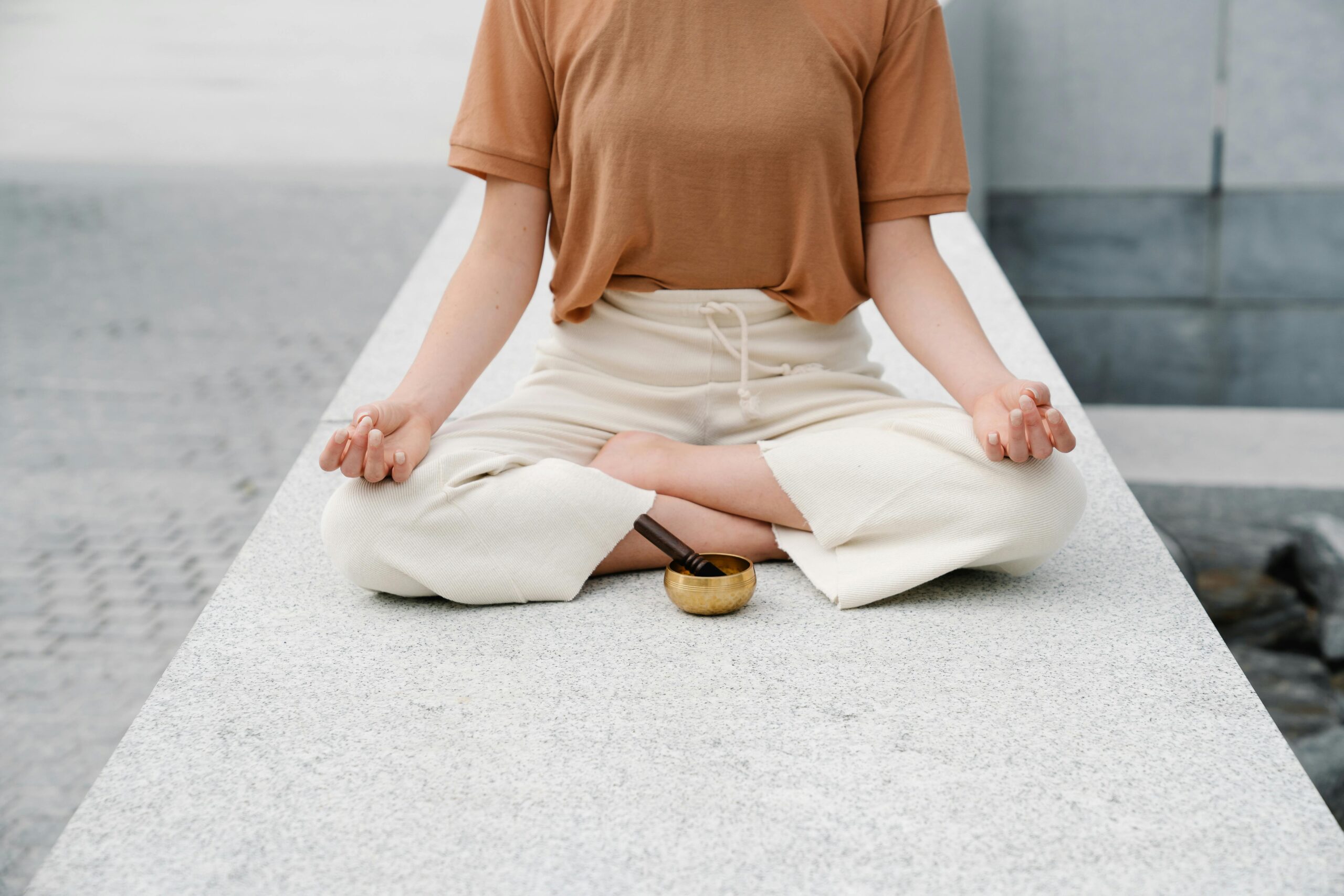
Meditative states offer another accessible entry point. Through practices like mindfulness meditation, visualization, or transcendental meditation, artists can achieve heightened awareness and mental clarity. These states don’t necessarily feel dramatic, but they consistently produce measurable changes in brain activity and creative output.
The Hypnagogic Sweet Spot ✨
The hypnagogic state—that twilight zone between waking and sleeping—has been a secret weapon for creative geniuses. Thomas Edison famously held ball bearings while dozing in his chair; when he drifted too deep into sleep, the bearings would drop and wake him, allowing him to capture insights from this transitional state.
Modern research confirms Edison was onto something. During hypnagogic states, our brain produces theta waves associated with creative insights and problem-solving. The rational mind relaxes its grip while consciousness remains just alert enough to observe and record. Artists can intentionally cultivate this state through specific techniques like yoga nidra or targeted napping practices.
Natural Pathways to Enhanced Creativity
Before exploring more intensive methods, artists should master natural techniques that safely induce altered states conducive to creativity. These approaches offer consistent benefits without risks, making them ideal foundations for any creative practice.
Breathwork has emerged as a powerful tool in the modern artist’s toolkit. Techniques like Wim Hof breathing, holotropic breathwork, or pranayama create profound shifts in consciousness through controlled breathing patterns. These practices alter blood oxygen levels and activate the parasympathetic nervous system, producing states ranging from energized clarity to deep introspection.
Physical movement provides another natural gateway. Dance, especially ecstatic or improvisational forms, can induce trance-like states where self-consciousness dissolves and authentic expression flows. Many choreographers and performers use movement meditation to access creative insights that verbal thinking cannot reach. Even simple activities like walking, particularly in nature, have been shown to enhance creative problem-solving by up to 60%.
Sound as a Portal 🎵
Sound frequencies and rhythmic patterns have transported humans to altered states for millennia. Shamanic drumming, Tibetan singing bowls, and binaural beats all use sonic entrainment to guide brainwaves into specific frequencies associated with creativity.
Binaural beats—where slightly different frequencies play in each ear—have gained scientific validation for their ability to induce targeted brain states. Theta frequencies (4-8 Hz) promote creative visualization, while alpha frequencies (8-13 Hz) enhance relaxed focus. Many digital artists, writers, and designers now incorporate binaural beat technology into their creative routines.
The Neuroscience Behind the Magic
Understanding what happens neurologically during altered states demystifies the process and helps artists use these techniques more effectively. The brain doesn’t have an on-off switch for creativity; instead, it operates through complex networks that can be optimized through intentional practices.
The Default Mode Network (DMN) typically dominates our waking consciousness, managing self-referential thinking and maintaining our sense of identity. While essential for daily functioning, an overactive DMN can suppress creative thinking by enforcing habitual thought patterns. Altered states temporarily quiet the DMN, allowing other neural networks to activate and communicate in novel ways.
Simultaneously, altered states often increase connectivity between brain regions that don’t normally communicate directly. This phenomenon, called transient hyperfrontality, explains why insights during altered states often feel like sudden revelations—disparate concepts connect in ways our ordinary thinking would never produce.
Neurochemistry of Creative States 🧠
Various neurotransmitters play crucial roles in creative altered states. Dopamine enhances pattern recognition and motivation, driving the artist forward. Serotonin influences mood and openness to experience, creating the emotional flexibility needed for artistic exploration. Norepinephrine sharpens focus, helping artists channel their expanded awareness into concrete creative work.
Understanding these chemical players helps artists recognize authentic creative states versus simple distraction or escapism. Productive altered states typically combine openness with focus, expansion with direction—a delicate balance that neuroscience is only beginning to fully understand.
Practical Techniques for Artistic Breakthrough
Theory becomes valuable only when translated into practice. Here are evidence-based techniques artists can implement immediately to access creativity-enhancing altered states.
The Morning Pages Protocol
Julia Cameron’s morning pages practice induces a mild altered state through repetitive writing. By committing to three pages of stream-of-consciousness writing immediately upon waking, artists bypass their internal critic and access subconscious material. This liminal state between sleep and full wakefulness often produces surprising creative insights.
The key is timing and consistency. Write before the analytical mind fully engages—before checking phones, reading news, or drinking coffee. This practice doesn’t require feeling inspired; its power lies in the ritualistic repetition that trains the brain to access creative states on demand.
Sensory Deprivation and Enhancement
Float tanks—sensory deprivation chambers filled with body-temperature saltwater—remove external stimuli, allowing internal creative visualization to intensify. Artists report vivid mental imagery, solution-finding for creative problems, and enhanced ability to “see” completed works before creating them physically.
Conversely, sensory enhancement through immersive experiences can also trigger creative states. Visiting art museums, attending concerts, or engaging deeply with nature floods the senses with novel stimuli, creating the cognitive disruption that sparks new creative connections.
🌿 Responsible Exploration: Safety and Integration
Altered states powerful enough to enhance creativity require respect and proper frameworks. The difference between transformative experience and destabilizing disruption often lies in preparation, intention, and integration.
Set and setting—concepts from consciousness research—apply to all altered state work. “Set” refers to mindset: approaching the experience with clear intention, emotional stability, and respect for the process. “Setting” means physical and social environment: choosing safe, comfortable spaces with appropriate support if needed.
Integration may be the most crucial yet overlooked aspect. Altered states can produce floods of inspiration, but without proper integration, insights remain abstract and disconnected from creative practice. Journaling immediately after experiences, creating visual maps of insights, or discussing experiences with trusted peers helps translate ephemeral realizations into concrete artistic development.
When Not to Explore Altered States
Certain conditions warrant caution or complete avoidance of altered state practices. Individuals with psychotic disorders, severe anxiety, or trauma histories should consult mental health professionals before experimenting with consciousness-altering techniques. Pregnancy, certain medications, and cardiovascular conditions also require medical guidance.
Additionally, using altered states as escape from emotional pain or creative responsibility usually backfires. These practices work best as enhancement tools for already-developing artists, not as substitutes for skill development, consistent practice, or addressing underlying psychological challenges.
Building a Sustainable Creative Practice
The most successful artists view altered states as one component within a comprehensive creative practice, not as magic bullets that replace hard work and skill development. Sustainability requires balancing exploration with grounding, expansion with discipline.
Establishing baseline creative routines provides the foundation. Regular studio time, skill practice, studying other artists’ work, and maintaining physical health create the stable platform from which safe exploration becomes possible. Altered states then serve as catalysts or breakthrough tools rather than constant crutches.
Tracking patterns helps optimize timing and techniques. Some artists keep creativity journals noting which practices preceded productive periods, what mental states accompanied their best work, and which techniques produced actionable insights versus mere entertainment. Over time, patterns emerge revealing each artist’s unique optimal conditions.
Community and Accountability 🤝
Artistic communities provide essential support for consciousness exploration. Whether formal groups like artist collectives or informal networks of creative friends, having others who understand the journey offers multiple benefits. Communities normalize the sometimes-strange experiences of altered states, provide safety nets if experiments become overwhelming, and offer fresh perspectives on integrating insights into actual work.
Mentorship particularly helps navigate this territory. Working with teachers experienced in consciousness practices for creativity—whether meditation instructors, breathwork facilitators, or seasoned artists who’ve walked this path—prevents common pitfalls and accelerates learning.
Ancient Wisdom Meets Modern Science
Today’s creative practitioners benefit from unprecedented access to both ancient wisdom traditions and cutting-edge neuroscience. Indigenous cultures have used altered states for artistic and spiritual purposes for thousands of years, developing sophisticated frameworks that modern research increasingly validates.
Shamanic journeying, vision quests, and ceremonial practices from various traditions share common elements: intention-setting, community support, symbolic interpretation, and integration periods. Modern artists can respectfully learn from these traditions while adapting practices to contemporary contexts and personal needs.
Simultaneously, technology offers new possibilities. Neurofeedback allows artists to see their brain activity in real-time, learning to consciously enter states associated with creativity. Virtual reality can create immersive environments that facilitate specific consciousness states. Apps provide guided meditations, binaural beats, and tracking tools that make these practices more accessible than ever.
From Insight to Masterpiece: The Translation Process
The ultimate measure of altered state practices lies not in the experiences themselves but in how they elevate actual artistic output. Bridging the gap between expanded consciousness and finished work requires specific skills.
Capturing insights in the moment proves crucial. Many artists keep recording devices, sketchbooks, or voice memos immediately accessible during practices. The vivid clarity experienced during altered states often fades quickly, so externalizing ideas immediately preserves their essence for later development.
However, raw insights usually require significant refinement. The initial vision downloaded during a meditation or flow state provides direction and inspiration, but translating that vision into completed art demands technical skill, persistence, and willingness to iterate. The altered state shows the destination; craft provides the vehicle for getting there.
Overcoming the Integration Gap 💡
Many artists struggle with the integration gap—that frustrating space between expanded vision and current capability. During altered states, we might “see” our finished masterpiece or “hear” the complete symphony, but our current skills can’t yet manifest that vision. This gap causes discouragement if misunderstood.
Viewing this gap as curriculum rather than failure transforms the experience. The vision shows where we’re headed; the gap reveals what skills we need to develop. This reframing makes altered state insights practical guides for artistic development rather than reminders of current limitations.
🎭 Real Artists, Real Results: Contemporary Examples
Examining how working artists incorporate altered states into their practice provides concrete models. While individual approaches vary widely, common threads emerge among those successfully using these techniques.
Many visual artists report using meditation before studio sessions to clear mental clutter and access intuitive creative guidance. Rather than planning pieces intellectually, they enter receptive states and allow works to reveal themselves through the creative process. This approach often produces more authentic, emotionally resonant art than purely conceptual planning.
Musicians frequently use movement and breathwork to access embodied creativity. By literally getting out of their heads and into their bodies, they tap into rhythmic and melodic ideas that cognitive analysis alone cannot produce. Many describe their best compositions arriving fully formed during or immediately after physical practices.
Writers increasingly incorporate morning meditation or hypnagogic practices to access subconscious story material. Plot solutions, character insights, and thematic connections often emerge spontaneously when the analytical mind relaxes its control.
Your Personal Experimentation Framework
Rather than prescribing a one-size-fits-all approach, developing your personal framework ensures practices align with your unique creative needs, personality, and artistic medium. Start with these principles:
Begin with the gentlest, most accessible practices. Master meditation basics, explore flow states through your art form, or experiment with morning creativity rituals. Build confidence and understanding before progressing to more intensive techniques.
Maintain scientific curiosity about your own process. Approach altered state exploration as personal research rather than mystical seeking. Notice what works, what doesn’t, and what patterns emerge. This empirical approach keeps practice grounded and progressively refined.
Balance exploration with consistency. Wild experimentation has its place, but sustainable creative growth comes from regular practice with a core set of techniques that reliably produce results for you. Once you’ve identified your most effective practices, make them non-negotiable parts of your creative routine.
🌅 Awakening Your Full Creative Potential
The frontier of creativity lies not in external inspiration but in accessing the vast potential already present within your consciousness. Altered states don’t inject creativity from outside—they remove the barriers preventing your natural creative intelligence from flowing freely.
This perspective shifts everything. You’re not seeking creativity in altered states; you’re dissolving the obstacles that normally constrain it. Your default consciousness, shaped by socialization, fear, and habit, represents just one narrow band of your full creative capacity. Altered states temporarily expand that band, revealing possibilities your ordinary awareness overlooks.
The artists who thrive in this exploration maintain healthy skepticism alongside genuine openness. They test practices rigorously, keep what works, discard what doesn’t, and continuously refine their approach. They recognize that consciousness exploration serves their art, not the other way around.
Most importantly, they understand that altered states represent enhancement tools, not replacements for fundamental artistic development. Technical skill, consistent practice, deep study of your craft, receiving feedback, and persistent refinement remain irreplaceable. Altered states simply help you bring your best self to these essential activities.
By approaching consciousness exploration with intention, respect, and integration, you unlock creative dimensions that ordinary thinking cannot access. The result isn’t artistic magic—it’s your natural creative potential finally given space to express itself fully. Your masterpiece awaits not in some altered realm but in the expanded version of yourself these practices help you become.