Noetic science bridges the gap between consciousness and reality, offering profound insights into untapped human capabilities that lie dormant within each of us.

🌟 The Emergence of Consciousness Studies in Modern Science
For centuries, humanity has pondered the nature of consciousness and its role in shaping our experiences. Traditional science has long focused on observable, measurable phenomena, often relegating subjective experiences to the realm of philosophy or spirituality. However, noetic science represents a revolutionary approach that integrates rigorous scientific methodology with the exploration of consciousness, intuition, and the interconnected nature of mind and matter.
The term “noetic” derives from the Greek word “nous,” meaning intellect or inner knowing. Noetic science examines how beliefs, thoughts, intentions, and consciousness affect the physical world and human potential. This interdisciplinary field draws from neuroscience, psychology, quantum physics, and ancient wisdom traditions to create a comprehensive understanding of human capabilities.
Research institutions like the Institute of Noetic Sciences have pioneered studies demonstrating that consciousness is not merely a byproduct of brain activity but an active force capable of influencing outcomes in measurable ways. These findings challenge materialist paradigms and open new possibilities for personal transformation and collective evolution.
Understanding the Science Behind Human Potential
The human brain contains approximately 86 billion neurons, each forming thousands of connections with other neurons. This vast neural network creates an estimated 100 trillion synaptic connections, making the brain the most complex structure known in the universe. Yet we typically utilize only a fraction of this potential.
Noetic science reveals that our limitations are often self-imposed through conditioning, beliefs, and habitual thought patterns. Neuroplasticity research demonstrates that the brain continuously reorganizes itself based on experiences, thoughts, and intentions. This means we possess an inherent capacity for transformation throughout our entire lives.
The Role of Intention and Consciousness
Studies in noetic science have documented remarkable phenomena related to focused intention. Research on meditation practitioners shows measurable changes in brain structure and function, including increased gray matter density in regions associated with learning, memory, and emotional regulation. These changes occur through consistent mental practice alone.
Dean Radin’s research at the Institute of Noetic Sciences has explored how conscious intention can influence random number generators and even biological systems at a distance. While controversial, these studies suggest that consciousness may extend beyond the physical boundaries of our bodies, connecting us to a larger field of information and energy.
🧠 Expanding Cognitive Boundaries Through Noetic Practices
Noetic science offers practical methodologies for accessing expanded states of awareness and enhanced cognitive function. These practices have been refined through both ancient traditions and modern scientific validation.
Meditation and Mindfulness Techniques
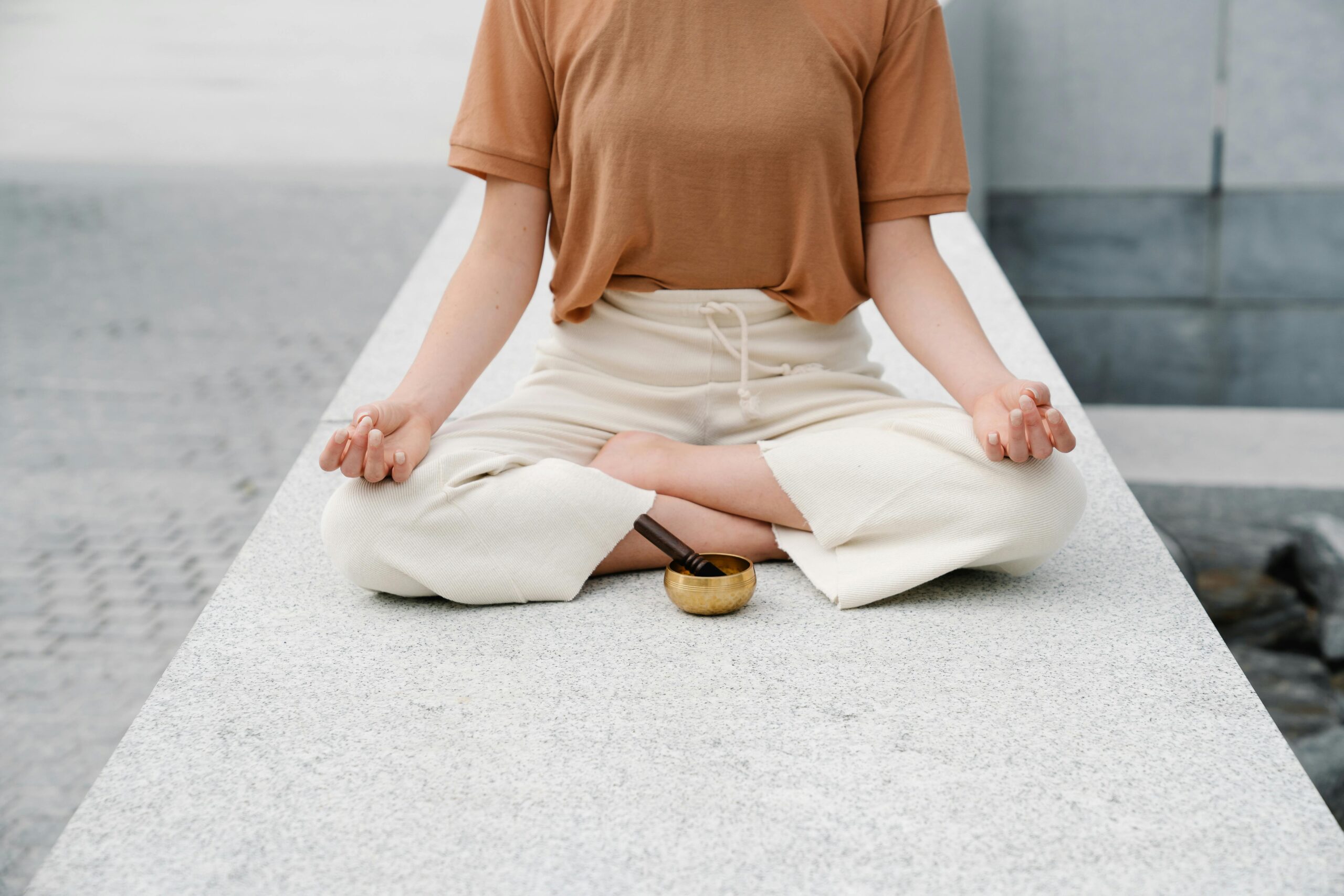
Meditation serves as a foundational practice in noetic exploration. Research demonstrates that regular meditation produces measurable benefits including reduced stress hormones, improved immune function, enhanced creativity, and increased emotional resilience. Different meditation styles activate distinct neural networks, offering various pathways to expanded awareness.
Mindfulness meditation cultivates present-moment awareness, training attention and reducing automatic reactivity. Transcendental meditation uses specific mantras to settle the mind into deeper states of rest. Loving-kindness meditation develops compassion and positive emotional states. Each approach offers unique benefits for unlocking human potential.
Biofeedback and Neurofeedback Technologies
Modern technology enables real-time monitoring of physiological and neurological states, allowing individuals to consciously influence functions previously considered involuntary. Heart rate variability biofeedback trains coherence between heart rhythms and emotional states, enhancing stress management and decision-making abilities.
Neurofeedback provides visual or auditory feedback about brainwave patterns, enabling users to train specific mental states. Athletes, executives, and students use these technologies to optimize performance, overcome limitations, and access peak states more reliably.
The Interconnected Nature of Mind, Body, and Environment
Noetic science emphasizes that human beings exist within interconnected systems rather than as isolated individuals. This perspective fundamentally changes how we understand potential and transformation.
Psychoneuroimmunology research demonstrates direct connections between thoughts, emotions, and immune system function. Positive mental states enhance cellular repair and disease resistance, while chronic stress suppresses immune response. This mind-body connection means that psychological work directly impacts physical health and vitality.
Social Coherence and Collective Consciousness
Research on group meditation and collective intention reveals fascinating patterns. The Global Consciousness Project has monitored random number generators worldwide for over two decades, documenting statistically significant deviations from randomness during major global events that capture collective attention.
Studies of the “Maharishi Effect” found correlations between group meditation practice and reduced crime rates, hospital admissions, and violent incidents in surrounding areas. While mechanisms remain debated, these findings suggest that consciousness operates through non-local connections that transcend individual boundaries.
✨ Intuition: The Bridge Between Knowing and Knowledge
Intuition represents a form of knowing that bypasses rational analysis, accessing information through direct perception. Noetic science validates intuition as a legitimate and valuable cognitive function worthy of cultivation.
Research by organizations like the HeartMath Institute reveals that the heart generates powerful electromagnetic fields containing information that the brain continuously processes. Cardiac coherence states enhance intuitive perception, suggesting that intuition involves whole-body intelligence rather than brain activity alone.
Developing Intuitive Capacities
Enhancing intuition requires practices that quiet mental chatter and increase bodily awareness. Techniques include:
- Body scanning exercises that develop somatic sensitivity
- Journaling practices that track intuitive impressions and outcomes
- Contemplative inquiry that distinguishes intuition from fear or desire
- Dreamwork that accesses subconscious processing
- Nature immersion that reestablishes connection with natural rhythms
Professional domains increasingly recognize intuitive intelligence as complementary to analytical thinking. Successful entrepreneurs, healthcare providers, and creative professionals often credit intuition as essential to their achievements, using it alongside logical reasoning for optimal decision-making.
Overcoming Limiting Beliefs and Mental Programming
Perhaps the greatest obstacle to realizing human potential lies in unconscious beliefs that define what we consider possible. These mental programs typically form during childhood and operate automatically throughout life unless consciously examined and revised.
Bruce Lipton’s research in epigenetics demonstrates that beliefs and perceptions directly influence gene expression. This means that limiting beliefs create biological consequences, while empowering beliefs activate genetic potential for health, longevity, and vitality.
Techniques for Belief Transformation
Noetic approaches to belief change integrate multiple modalities. Cognitive reframing identifies and restructures limiting thought patterns. Somatic practices release stored trauma and emotional patterns held in body tissues. Energy psychology methods like EFT (Emotional Freedom Techniques) address the energetic dimensions of beliefs.
Visualization and mental rehearsal leverage the brain’s difficulty distinguishing vividly imagined experiences from actual events. Athletes have long used mental practice to enhance performance, and research confirms that imagined actions activate similar neural pathways as physical practice.
🌈 Creativity and Flow States: Accessing Peak Performance
Flow states represent optimal human functioning where action and awareness merge, time perception shifts, and performance reaches extraordinary levels. Mihaly Csikszentmihalyi’s research identified common characteristics of flow experiences across diverse activities and cultures.
Noetic science explores the consciousness dimensions of flow, investigating how these states involve temporary dissolution of the sense of separate self. Brain imaging during flow shows decreased activity in the prefrontal cortex—a phenomenon called transient hypofrontality—which quiets the inner critic and analytical thinking.
Cultivating Creative Intelligence
Creativity extends beyond artistic expression to encompass problem-solving, innovation, and adaptive thinking. Noetic practices enhance creative capacity through:
- Divergent thinking exercises that generate multiple perspectives
- Cross-domain learning that creates novel connections
- Playful experimentation that reduces performance anxiety
- Incubation periods that allow subconscious processing
- Constraint-based challenges that stimulate innovative solutions
Research indicates that alternating between focused attention and diffuse awareness optimizes creative insight. This rhythm mirrors natural cycles and suggests that rest and receptivity are as important as active effort in unlocking potential.
The Spiritual Dimensions of Human Potential
While maintaining scientific rigor, noetic science acknowledges spiritual experiences as valid phenomena worthy of investigation. Transpersonal psychology and contemplative neuroscience examine states of consciousness that transcend ordinary awareness, including mystical experiences, non-dual awareness, and expanded identity.
William James’s classic work “The Varieties of Religious Experience” documented common features of mystical states across cultures and traditions. Modern research using brain imaging and phenomenological interviews confirms that these experiences involve distinct neurological patterns and produce lasting positive changes in wellbeing, meaning, and compassion.
Integration of Scientific and Spiritual Perspectives
Noetic science serves as a bridge between materialist reductionism and purely spiritual worldviews. This integration honors both the measurable physical dimensions of reality and the subjective experiential dimensions of consciousness. Neither perspective alone captures the full spectrum of human existence and potential.
Contemplative practices from various traditions—Buddhist meditation, Christian centering prayer, Sufi dhikr, yogic sadhana—all facilitate access to expanded states that enhance wellbeing and reveal deeper dimensions of identity. Scientific validation of these practices makes them accessible to secular audiences while respecting their sacred origins.
🔬 Practical Applications: Transforming Potential Into Reality
Understanding noetic principles means little without practical application. Translating knowledge into lived experience requires consistent practice and experimentation.
Creating a Personal Practice
Effective integration begins with designing a personalized daily practice incorporating multiple modalities. A balanced approach might include morning meditation, intentional breathing exercises, journaling for self-reflection, physical movement that cultivates body awareness, and evening gratitude practices.
Consistency matters more than duration. Research on habit formation suggests that brief daily practices create more sustainable change than sporadic intensive efforts. Starting with manageable commitments builds momentum and confidence.
Measuring Progress and Tracking Growth
While many benefits of noetic practices are subjective, tracking provides valuable feedback. Methods include:
- Journaling to document insights, synchronicities, and shifts in perception
- Biometric monitoring of heart rate variability and sleep quality
- Periodic assessments of wellbeing, life satisfaction, and resilience
- Goal achievement tracking in areas targeted for development
- Relationship quality observations reflecting increased emotional intelligence
Progress rarely follows linear trajectories. Periods of apparent plateau often precede breakthroughs as integration occurs beneath conscious awareness. Patience and self-compassion support sustainable transformation.
The Future of Human Potential Research
Noetic science continues evolving as new technologies and methodologies emerge. Advances in neuroimaging, quantum biology, and consciousness studies promise deeper understanding of human capabilities.
Artificial intelligence and machine learning analyze vast datasets from meditation research, identifying patterns imperceptible to human researchers. Virtual reality creates controlled environments for studying altered states and training specific capacities. Genetic research explores hereditary factors in meditation responsiveness and intuitive abilities.
These developments may eventually demonstrate scientifically what wisdom traditions have long maintained: that human potential vastly exceeds current collective expression, and consciousness represents the primary creative force in shaping experience and reality.

💫 Embracing Your Infinite Nature
The journey of unlocking infinite potential is both deeply personal and ultimately collective. As individuals awaken to expanded capacities, they naturally contribute to collective evolution. The challenges facing humanity—environmental, social, and spiritual—require accessing dimensions of intelligence and creativity beyond conventional thinking.
Noetic science provides both theoretical frameworks and practical tools for this great work. By integrating scientific understanding with experiential wisdom, we can navigate the transformation from limited, separate identities to expansive, interconnected awareness. This shift doesn’t require abandoning rationality or critical thinking but rather expanding our conception of intelligence to include intuitive, somatic, and transpersonal ways of knowing.
Your infinite potential awaits not in some distant future but in the eternal present moment, accessible through awareness, intention, and practice. The depths of human consciousness contain resources beyond imagination—healing capacities, creative brilliance, compassionate wisdom, and profound peace. These qualities represent your natural inheritance, requiring only recognition and cultivation.
The power of noetic science lies not merely in theoretical understanding but in its invitation to direct experimentation. You are both the scientist and the laboratory, equipped with the most sophisticated instrument ever created—your own consciousness. By investigating your inner world with the same curiosity and rigor applied to outer phenomena, you participate in the greatest exploration possible: the discovery of who and what you truly are.
As you engage with these principles and practices, remember that transformation unfolds organically according to its own intelligence. Trust the process, remain curious, and allow your infinite potential to reveal itself gradually, moment by moment, experience by experience. The journey itself is the destination, and consciousness exploring consciousness is the supreme adventure of human existence.