In our hyper-connected world, finding inner peace feels more challenging than ever. Modern biohacking technologies now offer science-backed pathways to reclaim mental clarity and sustainable calmness.

🧠 The Science Behind Technologically-Enhanced Tranquility
The intersection of neuroscience and technology has created unprecedented opportunities for managing our mental states. Biohacking calmness isn’t about escaping reality—it’s about optimizing your nervous system to respond more effectively to life’s inevitable stressors. Recent research in neurofeedback, heart rate variability, and brainwave entrainment has validated what ancient meditation practices intuited: our minds are malleable, and with the right tools, we can actively shape our mental landscape.
The autonomic nervous system operates through two primary branches: the sympathetic (fight-or-flight) and parasympathetic (rest-and-digest). Modern life keeps most of us trapped in sympathetic dominance, flooding our bodies with cortisol and adrenaline. Biohacking technologies help us consciously shift into parasympathetic activation, where true calmness resides.
Understanding Your Baseline: Measuring Inner Turbulence
Before optimizing calmness, you need objective data about your current state. Wearable devices now track heart rate variability (HRV), a powerful biomarker for stress resilience and nervous system balance. Higher HRV typically indicates better stress adaptation and emotional regulation. Elite athletes have used HRV monitoring for years, and this technology has become accessible to anyone seeking mental optimization.
Sleep architecture analysis through advanced wearables reveals how stress disrupts restorative sleep cycles. Poor REM and deep sleep directly correlate with anxiety, irritability, and reduced emotional control. By quantifying these metrics, you establish a measurable baseline for improvement rather than relying on subjective feelings alone.
🎧 Auditory Biohacking: Sound as Medicine
Sound frequencies profoundly influence brainwave states. Binaural beats—slightly different frequencies played in each ear—create a third perceived frequency that can entrain your brain into specific states. Research demonstrates that binaural beats in the alpha range (8-14 Hz) promote relaxation, while theta frequencies (4-8 Hz) facilitate deep meditation and creativity.
Isochronic tones offer another powerful auditory tool, using single tones that pulse at specific intervals. Unlike binaural beats, they don’t require headphones and may produce stronger entrainment effects. Studies show these technologies can reduce anxiety, improve focus, and enhance meditation depth for both beginners and experienced practitioners.
Practical Applications for Daily Calmness
Integrating sound-based biohacking into your routine doesn’t require extensive time commitments. A 15-minute session with theta-frequency audio before bed can significantly improve sleep quality. Similarly, starting your morning with alpha-frequency soundscapes prepares your nervous system for focused calmness throughout the day.
Several apps specialize in brainwave entrainment technology. Brain.fm uses AI-generated music engineered specifically for focus, relaxation, or sleep. Their functional music differs from traditional relaxation tracks by incorporating neuroacoustic principles designed to influence mental states predictably.
💡 Light Therapy: Photobiomodulation for Mental Clarity
Light profoundly impacts our circadian rhythms, hormone production, and mood regulation. Biohackers have moved beyond simple light boxes to sophisticated photobiomodulation devices that deliver specific wavelengths to optimize mental states. Red and near-infrared light therapy shows promise for reducing anxiety and depression by influencing mitochondrial function and increasing cerebral blood flow.
Blue light blocking represents another critical biohacking strategy. Evening exposure to blue wavelengths suppresses melatonin production, disrupting sleep and increasing next-day anxiety. Quality blue-light blocking glasses worn 2-3 hours before bedtime help maintain healthy circadian rhythms, improving both sleep quality and emotional regulation.
Optimizing Your Light Environment
Creating a biohacked light environment involves strategic exposure throughout the day. Morning bright light—ideally natural sunlight—suppresses melatonin and increases cortisol at the optimal time, setting your circadian rhythm. Aim for 10-30 minutes of outdoor exposure within two hours of waking.
Afternoon and evening lighting should gradually dim and shift toward warmer tones. Smart bulbs with adjustable color temperature automate this process, mimicking the sunset and preparing your body for restorative sleep. This simple environmental modification can dramatically impact your baseline stress levels and mental clarity.
📱 Neurofeedback Apps: Training Your Brain Directly
Neurofeedback represents perhaps the most direct form of mental biohacking. Traditional neurofeedback required expensive clinical equipment, but consumer EEG headbands now bring this technology home. These devices measure your brainwave patterns in real-time and provide feedback to help you consciously shift into desired mental states.
Muse headbands exemplify this accessible neurofeedback technology. By monitoring your brain activity during meditation, the device provides real-time audio feedback—calm sounds when your mind settles, weather sounds when it wanders. This immediate feedback loop accelerates meditation skill development and makes the abstract process of “calming your mind” tangible and measurable.
The Neurofeedback Advantage for Persistent Stress
For individuals with treatment-resistant anxiety or those seeking performance optimization beyond traditional meditation, neurofeedback offers compelling advantages. Research shows that 20-40 sessions can produce lasting changes in default brainwave patterns, essentially retraining your brain’s baseline state toward greater calmness.
The key lies in consistency. Short daily sessions outperform longer occasional ones. Even 10 minutes of neurofeedback-guided meditation daily creates neuroplastic changes that compound over weeks and months, gradually shifting your set-point toward greater equanimity.
🌬️ Breathwork Technology: Ancient Practice Meets Modern Precision
Controlled breathing powerfully influences the vagus nerve, the primary pathway between body and brain for parasympathetic activation. While breathwork itself is ancient, technology now optimizes these practices with precision timing, biometric feedback, and personalized protocols based on your physiological responses.
Heart rate variability biofeedback trains you to breathe at your resonance frequency—typically around 5-6 breaths per minute—where HRV reaches maximum amplitude. This frequency varies individually, and specialized apps identify your optimal rate through guided sessions. Regular resonance frequency breathing strengthens vagal tone, improving stress resilience even when you’re not actively practicing.
Tech-Enabled Breathwork Protocols
Several sophisticated apps guide structured breathwork programs. Othership combines breathwork sequences with music and vocal guidance for emotional processing and stress release. Their protocols range from energizing morning sessions to deeply calming evening practices, each engineered around specific physiological outcomes.
For those seeking scientific rigor, apps like Breathwrk offer protocols based on specific techniques—box breathing for immediate stress reduction, 4-7-8 breathing for sleep, or physiological sighs for rapid cortisol reduction. The technology removes guesswork, ensuring you’re executing techniques with the precision needed for maximum benefit.
🧬 Wearable Stress Management: Continuous Monitoring and Intervention
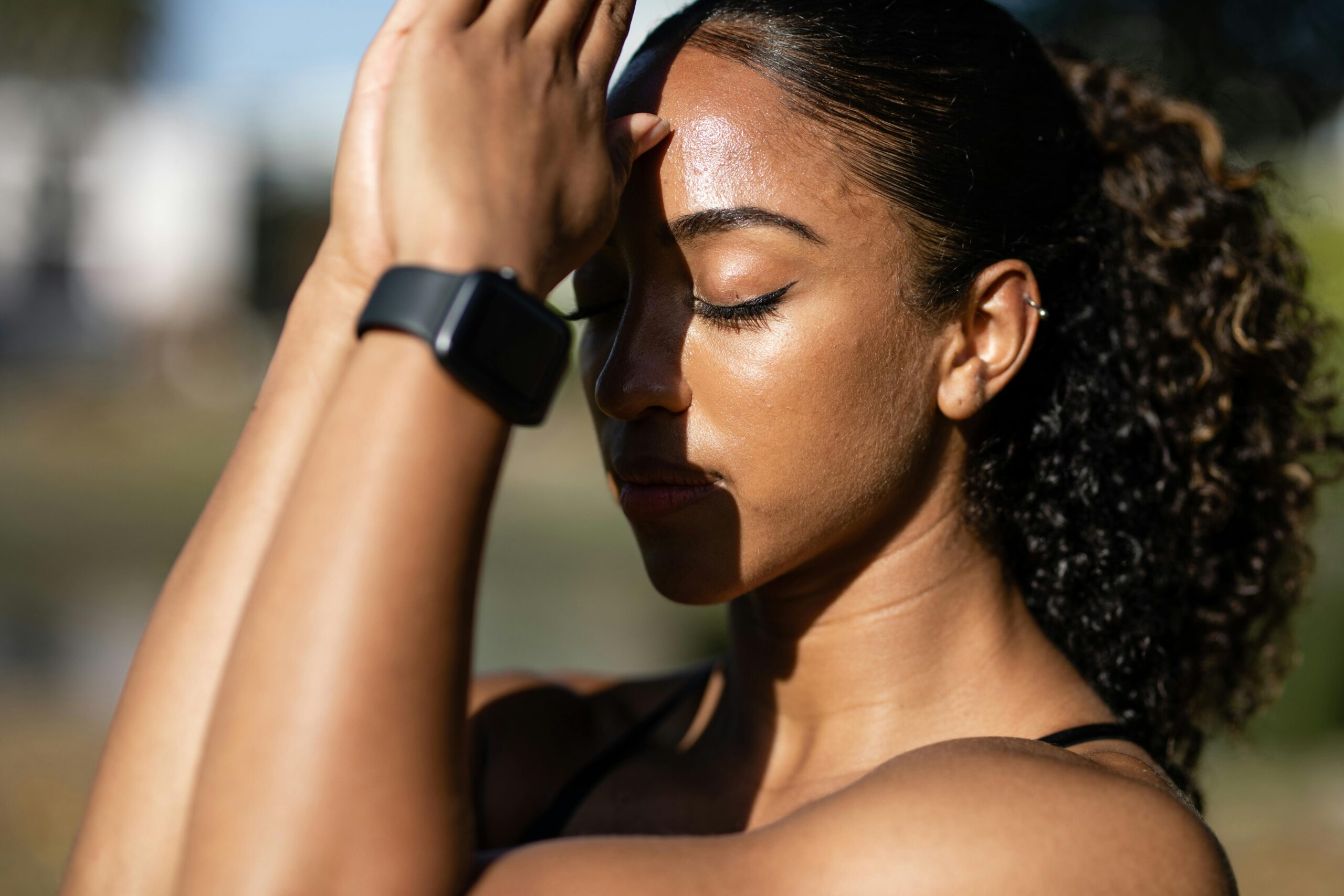
Modern wearables have evolved beyond simple step counting to sophisticated stress monitoring systems. Devices from companies like Oura, Whoop, and Apple continuously track physiological stress markers, alerting you to elevated stress before you consciously notice it. This early warning system enables proactive intervention rather than reactive crisis management.
Stress scores derived from HRV, resting heart rate, respiratory rate, and body temperature provide actionable insights. When your wearable indicates elevated stress, you can immediately deploy breathwork, take a brief walk, or use a calming app—small interventions that prevent stress accumulation throughout the day.
Building Responsive Stress Management Systems
The real power emerges when you create if-then protocols based on wearable data. If your morning HRV is low, you might extend your meditation, reduce caffeine, or postpone stressful conversations. If your device detects poor sleep quality, you adjust your day accordingly, perhaps scheduling restorative practices rather than pushing through with depleted reserves.
This responsive approach contrasts sharply with rigid routines that ignore your body’s signals. Biohacking calmness means working with your physiology, not against it, using technology to amplify your awareness and guide intelligent decisions.
🎮 Virtual Reality: Immersive Calm Environments
Virtual reality represents a frontier in calmness biohacking. VR environments can transport you instantly from stressful surroundings to serene natural settings, triggering parasympathetic responses through visual immersion. Research demonstrates that VR nature experiences reduce cortisol and blood pressure as effectively as actual nature exposure—a remarkable finding for those without easy access to natural environments.
Guided VR meditation experiences combine immersive visuals with audio instruction and ambient soundscapes. The sensory richness helps quiet the mind more effectively than audio-only guidance, particularly for beginners who struggle with traditional meditation. The technology essentially hijacks your attention system, making it easier to release rumination and worry.
Therapeutic VR Applications
Clinical applications of VR for anxiety treatment show impressive results. Exposure therapy for phobias, PTSD treatment, and stress inoculation training all benefit from VR’s controlled yet immersive environment. As consumer VR becomes more accessible, these therapeutic applications will increasingly serve preventive mental health and performance optimization, not just clinical treatment.
⚡ Transcranial Stimulation: The Controversial Frontier
Transcranial direct current stimulation (tDCS) and transcranial magnetic stimulation (TMS) represent the cutting edge—and most controversial—forms of calmness biohacking. These technologies directly influence brain activity through electrical or magnetic fields. While TMS remains primarily clinical, consumer tDCS devices have emerged, claiming to enhance meditation, reduce anxiety, and improve emotional regulation.
The science remains mixed. Some studies show promising results for anxiety and depression treatment, while others find minimal effects beyond placebo. The variability likely stems from protocol differences—electrode placement, current intensity, duration, and frequency all dramatically impact outcomes. Without professional guidance, consumer tDCS carries risks including skin irritation, headaches, and potentially unintended cognitive effects.
Should You Explore Brain Stimulation?
For most people seeking calmness, less invasive biohacking methods should come first. Master sleep optimization, consistent meditation practice, strategic breathwork, and evidence-based supplements before considering brain stimulation. However, for treatment-resistant conditions or under professional supervision, these technologies may offer benefits unavailable through conventional approaches.
🔄 Creating Your Personalized Calmness Stack
Effective biohacking requires personalized experimentation. What produces profound calmness in one person might do little for another due to genetic variations, life circumstances, and existing neural patterns. Your optimal calmness technology stack might include morning bright light therapy, midday HRV biofeedback, afternoon breathwork, and evening neurofeedback meditation—or something completely different.
Start by addressing foundations: consistent sleep schedules, morning sunlight exposure, and reducing obvious stressors. Layer in one technology at a time, tracking subjective experience alongside objective metrics from wearables. Give each intervention at least two weeks before adding another—neuroplastic changes require time, and simultaneous changes prevent identifying what actually helps.
Tracking What Works: Metrics Beyond Feelings
Combine subjective journaling with objective data. Rate your calmness, sleep quality, and mood daily while tracking HRV, resting heart rate, and sleep architecture through wearables. Patterns emerge over weeks, revealing which interventions produce genuine improvements versus temporary placebo effects.
Review this data monthly, adjusting your protocol based on results rather than marketing claims or trendy recommendations. Your body’s feedback—properly measured and interpreted—provides the most reliable guidance for optimizing your personal calmness technology stack.
💪 The Sustainable Path to Technological Tranquility
Technology enables rapid progress toward calmness, but sustainable peace requires addressing root causes, not just managing symptoms. Use biohacking tools as catalysts for developing internal capacities—stress resilience, emotional regulation, and mental flexibility. Eventually, the technologies become training wheels you need less frequently as your nervous system learns new default patterns.
The goal isn’t technology dependence but technology-accelerated growth. A meditation beginner might rely heavily on neurofeedback headbands initially, gradually developing the capacity to self-regulate without devices. Similarly, sleep tracking reveals patterns that, once corrected, require less monitoring to maintain.
Biohacking calmness represents a middle path between struggling alone with stress and complete reliance on pharmaceutical interventions. These technologies empower active participation in your mental health, providing tools that amplify your efforts rather than replacing them. In an increasingly chaotic world, reclaiming inner peace through cutting-edge science isn’t indulgent—it’s essential for sustainable wellbeing and peak performance.
The future of calmness lies not in escaping technology but in harnessing it strategically. As these tools become more sophisticated, accessible, and personalized, the democratization of inner peace becomes possible. What was once available only to dedicated meditators, wealthy individuals with access to exclusive clinics, or those with exceptional genetic resilience can now be systematically cultivated by anyone willing to experiment intelligently with the extraordinary technologies at our fingertips.