In a world overflowing with constant stimulation and digital noise, finding genuine focus has become one of our greatest challenges. Sensory deprivation offers a powerful pathway.

🧠 The Science Behind Sensory Overload and Modern Distraction
Our brains evolved to process information from our environment as a survival mechanism, but the modern world bombards us with exponentially more stimuli than our ancestors ever encountered. Every notification ping, every flash of light, every background conversation competes for our precious cognitive resources. Research from neuroscience labs worldwide demonstrates that this constant sensory input creates a state of perpetual partial attention, where we’re never fully present or deeply focused on any single task.
The prefrontal cortex, responsible for executive functions like decision-making and focus, becomes exhausted when constantly switching between stimuli. Studies published in the Journal of Cognitive Neuroscience reveal that it takes an average of 23 minutes to regain full concentration after a distraction. When you multiply that across dozens of daily interruptions, the cumulative cost to productivity and mental clarity becomes staggering.
Sensory deprivation techniques work by deliberately reducing external stimuli, allowing the brain to reset and recalibrate. When deprived of constant sensory input, the nervous system downregulates stress hormones like cortisol while promoting the production of theta brainwaves associated with deep relaxation and enhanced creativity.
🌊 What Exactly Is Sensory Deprivation?
Sensory deprivation refers to the intentional reduction or elimination of stimuli to one or more of the senses. This practice isn’t about torture or punishment as it might sound, but rather about creating conditions that allow your mind to experience a different state of consciousness. By removing external distractions, you create space for internal awareness and mental clarity.
The concept gained scientific credibility in the 1950s when neuroscientist John C. Lilly developed the first isolation tank. These tanks, filled with saltwater heated to skin temperature, allow users to float effortlessly in complete darkness and silence. The experience removes gravitational pressure, visual input, auditory distractions, and even temperature differentiation from awareness.
Today, sensory deprivation encompasses a broader range of techniques beyond flotation tanks. These include meditation in darkened rooms, using noise-canceling technology, blindfolding during certain activities, and even digital detoxes that remove the constant stream of information from our devices.
✨ Remarkable Benefits for Focus and Cognitive Performance
The benefits of sensory deprivation extend far beyond simple relaxation. Research conducted at institutions like Stanford University and the Laureate Institute for Brain Research shows measurable improvements in various cognitive domains after regular practice.
Enhanced concentration represents one of the most immediate benefits. When your brain isn’t constantly processing external stimuli, it develops a stronger capacity to direct attention voluntarily. This translates to improved performance on tasks requiring sustained focus, from writing and coding to studying and creative problem-solving.
Memory consolidation also receives a significant boost. During sensory deprivation, the brain enters states similar to sleep, where memories are processed and transferred from short-term to long-term storage. Athletes and students who incorporate these techniques report better retention of skills and information.
Stress reduction occurs naturally as the parasympathetic nervous system activates. Cortisol levels drop dramatically, sometimes by as much as 30% after a single session. This reduction in stress hormones creates a biochemical environment more conducive to clear thinking and rational decision-making.
Neuroplasticity and Learning Enhancement
Perhaps most exciting, sensory deprivation appears to enhance neuroplasticity—the brain’s ability to form new neural connections. When external input ceases, the brain begins generating internal experiences and processing existing information in novel ways. This state promotes insight, creative problem-solving, and the integration of previously disconnected concepts.
🛁 Flotation Tanks: The Gold Standard Experience
Flotation tanks, also known as isolation tanks or float pods, represent the most comprehensive form of sensory deprivation. These specialized chambers contain approximately 10 inches of water saturated with Epsom salts, creating buoyancy similar to the Dead Sea. The water is heated to external skin temperature, making it difficult to distinguish where your body ends and the water begins.
Inside the tank, you float effortlessly in complete darkness and near-total silence. The absence of light, sound, gravity, and temperature gradient creates a unique environment where your brain can truly rest. Sessions typically last 60 to 90 minutes, though even 30-minute floats provide noticeable benefits.
Float centers have proliferated globally, making this once-exotic experience accessible to most urban populations. First-time floaters often report a sense of timelessness, with many losing track of whether they’ve been floating for minutes or hours. This time distortion occurs because the brain lacks external cues to mark time’s passage.
Regular float practice correlates with improved sleep quality, reduced anxiety, enhanced athletic recovery, and heightened creative output. Many entrepreneurs, artists, and professionals incorporate weekly float sessions into their routines specifically to maintain peak mental performance.
🏠 Accessible Sensory Deprivation Techniques for Home Practice
While flotation tanks offer the most complete sensory deprivation experience, you don’t need expensive equipment or spa memberships to harness these benefits. Several effective techniques can be practiced at home with minimal investment.
Creating a Sensory Minimal Environment
Transform a room in your home into a low-stimulation sanctuary. Use blackout curtains to eliminate all light. Remove or cover electronics with indicator lights. Consider acoustic panels or heavy curtains to dampen sound. The goal is creating a space where your senses have minimal external data to process.
Schedule regular sessions in this space, starting with just 15-20 minutes. Lie comfortably, close your eyes, and simply allow your mind to settle. Without forcing anything, observe how your attention naturally turns inward when external stimuli decrease.
Mindful Blindfolding Practice
Removing visual input alone can produce remarkable effects since vision typically consumes about 30% of your brain’s processing power. Use a comfortable, light-blocking sleep mask during meditation, breathwork, or even routine activities like listening to music or eating.
When you eat blindfolded, for instance, taste and texture become extraordinarily vivid. This heightened awareness in one sense while another is reduced demonstrates how sensory deprivation can actually enhance certain experiences and sharpen overall sensory acuity.
Technology-Assisted Sensory Reduction
Modern technology offers tools specifically designed to reduce sensory input. High-quality noise-canceling headphones eliminate ambient sound, creating an auditory isolation that can be combined with other techniques. Some people listen to white noise, brown noise, or binaural beats to further guide brain activity into desired states.
Apps dedicated to focus and meditation can structure your practice with guided sessions specifically designed around sensory reduction principles. These digital tools make the practice more accessible to beginners who might feel uncertain about simply sitting in silence.
🧘 Integrating Sensory Deprivation with Meditation Practice
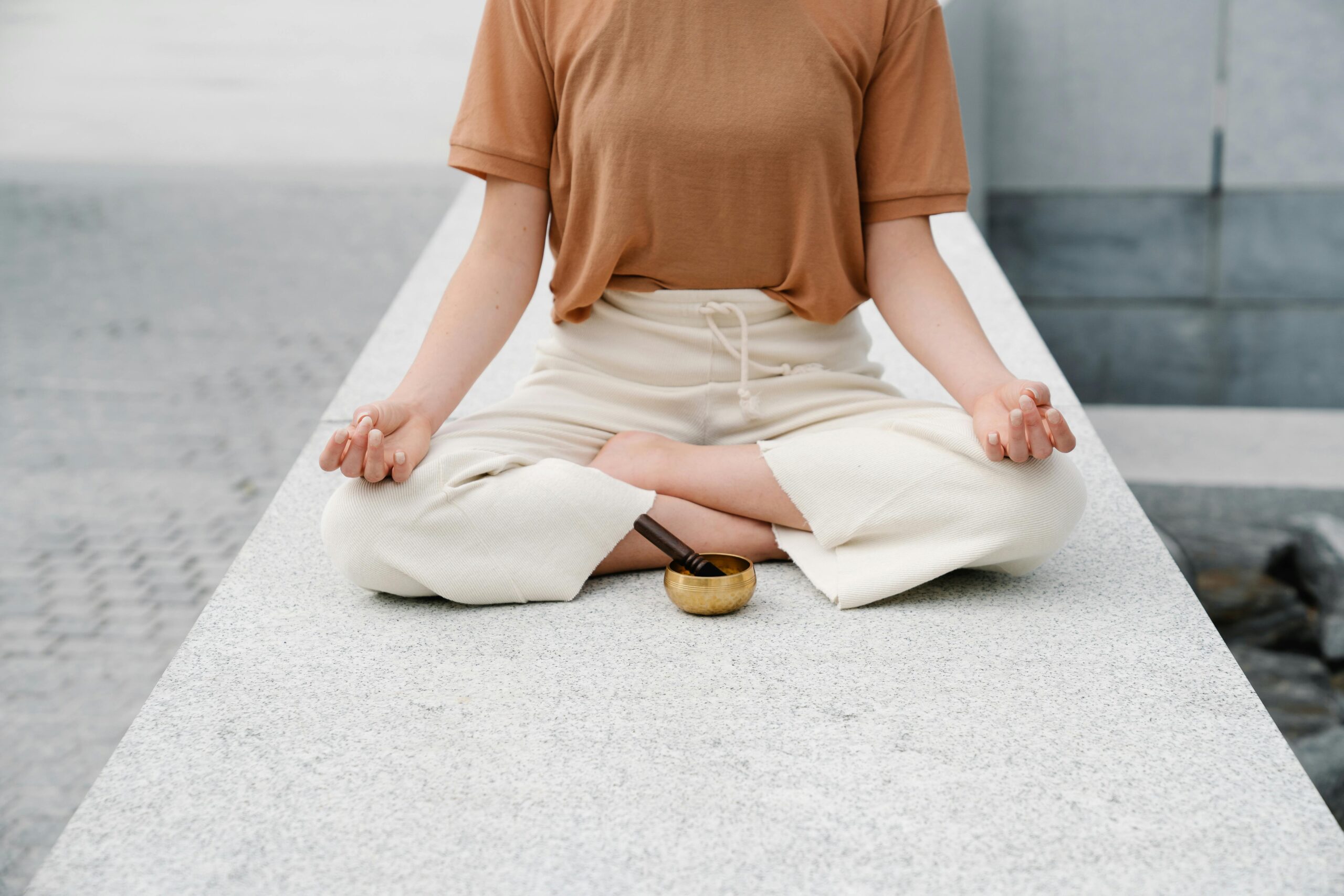
Sensory deprivation and meditation form a powerful synergy. Traditional meditation practices aim to quiet mental chatter and develop present-moment awareness—objectives significantly easier to achieve when external distractions are minimized.
Many meditation traditions actually incorporate forms of sensory reduction. Vipassana retreats require silence and minimal sensory stimulation. Zen practitioners meditate in simplified spaces with minimal decoration. These traditions recognized centuries ago what neuroscience now confirms: reducing external stimuli facilitates internal awareness.
When beginning a meditation practice enhanced by sensory deprivation, start with breath awareness. In reduced sensory environments, subtle sensations become more apparent—the gentle rise and fall of your chest, the cool air entering your nostrils, the slight pause between breaths. This heightened sensitivity accelerates the development of concentration skills.
Progressive Sensory Withdrawal Technique
This structured approach systematically reduces sensory input over the course of a session. Begin in a comfortable position with normal lighting and ambient sound. After several minutes, dim the lights by half. After several more minutes, reduce them further or eliminate them completely. If using sound, gradually lower volume or transition to silence.
This progressive approach helps your nervous system adjust gradually rather than shocking it with sudden deprivation. Many practitioners find this gentler method more sustainable for regular practice.
⚡ Unlocking Creativity and Problem-Solving Through Sensory Reduction
Some of history’s greatest insights have emerged during periods of reduced sensory input. Archimedes discovered principles of buoyancy while bathing—a relatively sensory-deprived environment. Einstein reportedly did his most creative thinking during long, solitary walks where external stimulation was minimal.
Sensory deprivation facilitates what psychologists call “divergent thinking”—the ability to generate multiple solutions to open-ended problems. When your brain isn’t busy processing external stimuli, it begins making novel connections between existing knowledge, often producing creative breakthroughs.
Many artists, writers, and innovators deliberately incorporate sensory deprivation into their creative process. Author Michael Chabon famously writes in a windowless basement office. Composer John Cage created pieces exploring silence and minimal sound. These creators understood intuitively that reducing sensory noise can amplify internal creative signals.
If you’re facing a challenging problem or creative block, try this: clearly define the problem, then enter a sensory-reduced state for 30-60 minutes without actively trying to solve it. Simply hold the question lightly in awareness while allowing your mind to wander. Often, solutions emerge spontaneously as your brain processes information in new ways.
🎯 Practical Protocol: Your 30-Day Sensory Deprivation Challenge
Developing any new practice requires consistency and gradual progression. This 30-day protocol helps you systematically integrate sensory deprivation techniques into your routine while building the capacity for deeper practice.
Week 1: Foundation Building
Practice 10 minutes daily in a darkened, quiet room. Simply lie or sit comfortably with eyes closed. Focus on breath awareness. Don’t expect dramatic experiences—you’re building the foundational skill of being with reduced stimulation.
Week 2: Extending Duration
Increase sessions to 20 minutes. Add a sleep mask to deepen visual deprivation. Experiment with noise-canceling headphones or earplugs. Notice how longer duration allows deeper mental settling.
Week 3: Adding Intention
Before each 30-minute session, set a clear intention—enhanced focus, creative insight, stress reduction, or simply deeper self-awareness. This directs your subconscious mind during the sensory-reduced state.
Week 4: Integration and Experimentation
Maintain daily 30-minute practice while also experimenting with other applications. Try a float tank session if available. Practice blindfolded eating. Take a technology-free day. Explore how different forms of sensory reduction affect you differently.
⚠️ Important Considerations and Contraindications
While sensory deprivation offers profound benefits for most people, certain individuals should approach with caution or avoid these practices entirely. Those with certain psychological conditions, including schizophrenia, psychosis, or severe anxiety disorders, should consult healthcare providers before attempting sensory deprivation.
Some people experience claustrophobia in enclosed float tanks. Most float centers offer options with doors ajar or lights available, and open float rooms are becoming more common. Home-based practices in familiar spaces typically don’t trigger these responses.
Start gradually regardless of your psychological health. Jumping immediately into extended sensory deprivation can be overwhelming. Build tolerance progressively, allowing your nervous system to adapt to these unusual states.
If you experience significant distress, hallucinations beyond mild visual patterns, or persistent anxiety during or after sessions, discontinue practice and consult a healthcare professional. For most people, however, sensory deprivation is remarkably safe and beneficial.
🌟 Transforming Focus Into Sustainable Peak Performance
The ultimate goal of sensory deprivation practice isn’t escaping the stimulation of daily life but rather training your brain to maintain focus and clarity regardless of external conditions. Think of these practices as strength training for your attention—just as lifting weights builds physical capacity you carry into daily activities, sensory deprivation builds mental capacities you apply everywhere.
Regular practitioners report that after several months of consistent practice, they maintain better focus even in chaotic environments. The contrast between sensory-deprived states and normal sensory environments actually enhances their ability to filter distractions and direct attention voluntarily.
This enhanced focus translates directly into professional and personal success. Projects that once took weeks are completed in days. Creative work flows more naturally. Decision-making improves as mental clarity increases. Relationships deepen as you become more present with others rather than constantly distracted.
The investment of 20-30 minutes daily in sensory deprivation practice yields returns far exceeding the time invested. Consider that if this practice increases your productive focus by even 10%, you gain back hours each week—time that compounds into massive advantages over months and years.
🔄 Making Sensory Deprivation a Lifestyle Cornerstone
Sustainable practice requires integration into your existing routine rather than adding it as another obligation. Link your sensory deprivation practice to existing habits—perhaps immediately after morning coffee or before evening dinner. This habit stacking increases consistency dramatically.
Create accountability through tracking or community. Many practitioners maintain simple logs noting session duration and subjective experience. Some join online communities where members share experiences and encouragement. Even telling a friend about your practice increases follow-through.
Remember that benefits accumulate with consistent practice. While single sessions provide immediate stress reduction and clarity, the profound neurological changes that enhance baseline focus require months of regular practice. Approach this as a long-term investment in your cognitive capacity rather than seeking quick fixes.
As your practice deepens, you’ll likely find yourself naturally seeking reduced stimulation in other life areas—perhaps choosing quieter restaurants, limiting social media, or creating more spacious schedules. This organic lifestyle shift toward less sensory chaos amplifies the benefits of formal practice sessions.
💡 Your Enhanced Future Begins in Silence
We stand at a cultural crossroads where attention has become our most valuable resource, yet external forces constantly fragment it. Sensory deprivation techniques offer a scientifically validated path to reclaim control over your focus and unlock cognitive potential you may not realize you possess.
The practices outlined here—from professional float tanks to simple home-based techniques—provide accessible entry points regardless of your resources or experience level. What matters isn’t achieving perfect sensory deprivation but rather consistently creating conditions where your brain can rest, reset, and reorganize away from constant external demands.
Start today with just 10 minutes in a quiet, darkened space. Notice what emerges when stimulation fades. Observe how this brief respite affects your focus and clarity in subsequent hours. Build gradually from this foundation, trusting that your brain knows how to utilize these restorative states once you provide the opportunity.
Your potential—for focus, creativity, productivity, and peace—awaits discovery in the productive silence of sensory deprivation. The external noise will always be there, but now you possess tools to step away, reconnect with your deeper capabilities, and return with enhanced clarity to engage with the world more effectively than ever before. 🚀