In our fast-paced, overstimulated world, finding genuine peace and mental clarity has become a precious commodity. Sound therapy and brainwave synchronization offer scientifically-backed pathways to transform your mental state.

🎵 The Ancient Practice Meets Modern Science
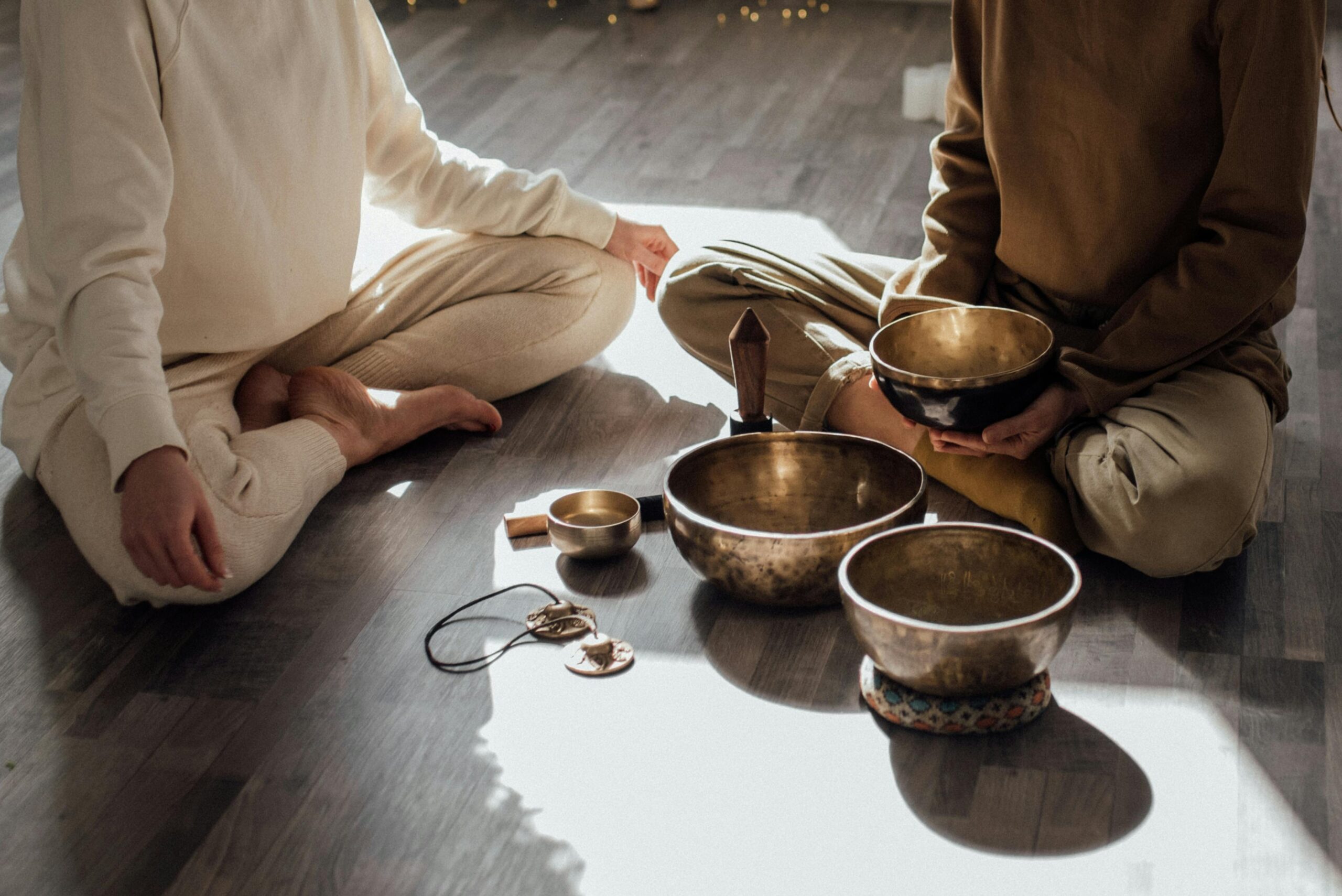
Sound has been used for healing and meditation for thousands of years across cultures worldwide. From Tibetan singing bowls to Aboriginal didgeridoos, our ancestors intuitively understood what neuroscience is now confirming: specific sound frequencies can dramatically alter our brain states, emotional wellbeing, and cognitive performance.
Modern sound therapy combines these ancient wisdom traditions with cutting-edge neuroscience research. When we expose our brains to particular sound frequencies, a phenomenon called “frequency following response” occurs. Essentially, our brainwaves begin to synchronize with the external rhythm, allowing us to intentionally guide our mental state toward relaxation, focus, creativity, or even deep sleep.
Understanding Your Brain’s Natural Rhythms
Your brain operates on electrical impulses that generate measurable wave patterns. These brainwaves correspond to different states of consciousness, and understanding them is fundamental to harnessing sound therapy effectively.
Delta waves (0.5-4 Hz) represent the deepest sleep states and profound unconsciousness. They’re associated with healing, regeneration, and the release of growth hormones. When you experience truly restorative sleep, your brain spends significant time in delta.
Theta waves (4-8 Hz) emerge during light sleep, deep meditation, and those twilight moments between wakefulness and sleep. This frequency range is connected to creativity, intuition, emotional processing, and access to subconscious memories. Many breakthrough insights occur in theta states.
Alpha waves (8-13 Hz) characterize relaxed yet alert awareness. When you close your eyes and breathe deeply, you naturally shift into alpha. This state bridges conscious and subconscious mind, making it ideal for stress reduction, learning, and positive mental programming.
Beta waves (13-30 Hz) dominate our normal waking consciousness. They’re associated with active thinking, problem-solving, and focused attention. However, excessive beta activity correlates with anxiety, stress, and mental exhaustion—the default state for many modern individuals.
Gamma waves (30-100 Hz) represent heightened perception, peak cognitive functioning, and moments of insight. Some research suggests gamma synchronization across brain regions during states of universal love, compassion, and transcendent experiences.
How Sound Therapy Actually Works in Your Brain 🧠
The mechanism behind sound therapy’s effectiveness lies in a neurological phenomenon called entrainment. When your brain encounters a rhythmic stimulus—whether auditory, visual, or tactile—it naturally begins to match that rhythm. This isn’t mystical; it’s pure neuroscience.
Binaural beats represent one of the most researched forms of brainwave entrainment. When you listen through headphones to two slightly different frequencies (one in each ear), your brain perceives a third “phantom” frequency—the mathematical difference between the two. If your left ear receives 200 Hz and your right ear receives 210 Hz, your brain processes a 10 Hz binaural beat, potentially inducing alpha wave states.
Isochronic tones offer another powerful approach. These are evenly spaced, single tones that turn on and off rapidly at specific intervals. Unlike binaural beats, isochronic tones don’t require headphones and many practitioners find them more effective for deep entrainment. The brain responds to these clear, pulsing patterns with remarkable consistency.
Monaural beats, created by combining two tones of different frequencies before they reach your ears, offer yet another method. The interference pattern is processed externally, so the auditory system receives the beat directly rather than creating it neurologically.
The Transformative Benefits You Can Experience
Regular practice with sound therapy and brainwave synchronization yields measurable improvements across multiple life dimensions. Research studies and countless personal testimonials document these effects, though individual experiences vary based on consistency, duration, and personal neurophysiology.
Stress and anxiety reduction tops the list of reported benefits. By deliberately shifting from high-beta anxious states into alpha and theta frequencies, practitioners experience profound relaxation responses. The parasympathetic nervous system activates, heart rate variability improves, and stress hormone levels decrease measurably.
Enhanced focus and productivity emerge when using specific beta and gamma frequency protocols. Students report improved study sessions, professionals describe better concentration during complex tasks, and creatives find themselves entering flow states more readily. The key lies in matching the appropriate frequency to your intended mental state.
Sleep quality dramatically improves when delta wave soundscapes replace sleep medications or random background noise. Many insomniacs report falling asleep faster and experiencing deeper, more restorative rest cycles. The brain naturally follows the slow rhythmic patterns downward into genuine delta sleep.
Meditation depth accelerates for both beginners and experienced practitioners. What might take years of traditional meditation practice to achieve—sustained theta states with minimal mental chatter—becomes accessible within weeks when combined with appropriate sound frequencies. This doesn’t replace traditional meditation but rather complements and accelerates the journey.
Emotional processing and healing often occur spontaneously during theta frequency sessions. Suppressed emotions surface gently, traumatic memories lose their emotional charge, and psychological integration happens organically without forced therapeutic interventions.
Practical Application: Creating Your Sound Therapy Practice ✨
Beginning a sound therapy practice requires minimal equipment but consistent dedication. The technology has become remarkably accessible, with numerous high-quality options available at every price point.
Start by identifying your primary intention. Are you seeking better sleep, reduced anxiety, enhanced focus, deeper meditation, or creative breakthrough? Your goal determines which brainwave frequencies you’ll emphasize and what time of day proves most effective for practice.
Quality headphones or speakers matter significantly. For binaural beats, over-ear headphones that fully isolate each ear work best. For isochronic tones and other formats, decent speakers suffice, though headphones still enhance the experience by minimizing external distractions.
Create a dedicated space and time for your practice. Consistency builds neurological patterns that respond more quickly over time. Your brain learns to shift states more efficiently when you establish regular practice routines in familiar environments.
Begin with shorter sessions of 10-15 minutes, gradually extending to 30-60 minutes as your nervous system adapts. Some people experience slight discomfort initially—mild headaches, unusual sensations, or emotional releases—as their neurology adjusts to deliberate brainwave shifting.
Choosing the Right Frequencies for Your Goals
Matching frequency protocols to specific outcomes maximizes effectiveness and prevents frustration from mismatched expectations.
For deep relaxation and stress relief: Alpha frequencies (8-13 Hz) provide the sweet spot. These gentle rhythms calm anxiety while maintaining awareness. Combine with nature sounds, soft ambient music, or pure tones depending on preference.
For enhanced focus and concentration: Mid-range beta frequencies (15-20 Hz) support sustained attention without inducing anxiety. These work exceptionally well during study sessions, creative projects, or any task requiring mental clarity.
For better sleep: Begin with alpha for relaxation, transition through theta, and settle into delta (0.5-4 Hz) for the sleep duration. Many sleep-focused programs automatically progress through these stages, mimicking natural sleep cycles.
For meditation and spiritual exploration: Theta frequencies (4-8 Hz) facilitate the deep, timeless states experienced meditators describe. These frequencies blur the boundary between conscious and subconscious, allowing profound insights and inner journeys.
For creative problem-solving: Alpha-theta border states (7-10 Hz) generate the mental flexibility where novel connections form. Many artists, writers, and innovators report breakthroughs during these sessions.
🎧 Technology and Tools for Brainwave Entrainment
The digital age has democratized access to sophisticated sound therapy technologies that were once available only in clinical settings or through expensive specialized equipment.
Dedicated sound therapy apps offer professionally designed programs targeting specific outcomes. These applications typically include libraries of sessions categorized by intention, allowing you to select appropriate protocols without understanding the underlying neuroscience.
Standalone brainwave entrainment devices provide another option. These specialized units often combine light and sound stimulation, using LED glasses synchronized with audio frequencies for enhanced entrainment effects. While more expensive, some users report stronger results compared to audio-only approaches.
Streaming platforms now host thousands of brainwave entrainment tracks, meditation music, and sound healing compositions. Quality varies tremendously, so research creators’ credentials and user reviews before committing significant practice time to any particular source.
For advanced practitioners, sound generation software allows complete customization of frequencies, carrier tones, volume envelopes, and mixing with nature sounds or music. This level of control appeals to those who want to fine-tune their protocols based on personal response patterns.
Combining Sound Therapy with Other Wellness Practices
Sound therapy amplifies benefits when integrated with complementary modalities rather than practiced in isolation. The synergistic effects often exceed what any single practice produces independently.
Breathwork and sound therapy create powerful combinations. Specific breathing patterns naturally influence brainwave states, and when deliberately coordinated with appropriate frequencies, the effects multiply. Try slow, deep breathing (4-6 breaths per minute) with alpha or theta frequencies for profound relaxation.
Yoga and movement practices paired with rhythmic soundscapes enhance mind-body integration. The physical postures prepare your nervous system to respond more fully to the auditory entrainment, while the sounds deepen your somatic awareness and presence.
Visualization and guided imagery become more vivid and impactful when consciousness shifts into theta states. The subconscious mind becomes more receptive to positive suggestions, affirmations, and mental rehearsal during these frequencies.
Journaling after sound therapy sessions captures insights that might otherwise fade. The altered states often generate clarity around personal challenges, creative solutions, or emotional understanding that deserves documentation.
Scientific Research and Clinical Applications 🔬
The scientific community has produced substantial research validating sound therapy’s physiological and psychological effects. While some claims remain contested or require additional study, core mechanisms enjoy robust empirical support.
Neuroscience studies using EEG technology demonstrate measurable brainwave changes during sound therapy sessions. Subjects show predictable frequency shifts corresponding to the audio stimulation received, confirming the entrainment phenomenon occurs consistently across diverse populations.
Psychological research documents anxiety reduction, improved mood, and decreased depression symptoms following regular sound therapy practice. Several clinical trials have compared binaural beat interventions against control conditions, with experimental groups showing statistically significant improvements.
Sleep research reveals improved sleep architecture when individuals use delta frequency protocols. Polysomnography data shows increased time in deep sleep stages and reduced nighttime awakenings compared to baseline measurements or placebo conditions.
Cognitive studies explore whether brainwave entrainment enhances attention, memory, and problem-solving. Results remain mixed, with some studies showing improvements while others find minimal effects. Individual variation appears significant, suggesting personalized protocols may prove more effective than standardized approaches.
Navigating Challenges and Realistic Expectations
While sound therapy offers genuine benefits, maintaining realistic expectations prevents disappointment and supports sustainable practice. Understanding common challenges helps you navigate obstacles effectively.
Not everyone responds identically to the same frequencies. Neurological diversity means optimal protocols vary individually. If a particular session feels uncomfortable or ineffective, experiment with different frequencies, volumes, or durations rather than abandoning the practice entirely.
Initial sessions may produce subtle or even imperceptible effects. Neuroplasticity requires time—your brain literally forms new patterns through repeated exposure. Benefits accumulate gradually rather than appearing dramatically overnight.
Some individuals experience heightened emotional sensitivity initially. As sound therapy accesses deeper consciousness levels, suppressed feelings may surface. While potentially uncomfortable temporarily, this represents therapeutic processing rather than problematic side effects.
External distractions and internal resistance can sabotage practice. Your mind might generate restlessness, skepticism, or urgent distractions precisely when approaching breakthrough states. Recognizing this as normal protective mechanisms helps you persist through initial resistance.
The Future of Sound Healing and Consciousness Technology
Emerging technologies promise even more sophisticated and personalized approaches to brainwave optimization. The field continues evolving rapidly as neuroscience, digital technology, and ancient wisdom traditions converge.
Artificial intelligence algorithms are being developed to analyze individual EEG patterns and automatically generate optimized frequencies for specific users. This personalized approach may dramatically improve effectiveness compared to standardized protocols.
Virtual reality integration creates immersive multisensory environments where sound, visuals, and even haptic feedback synchronize to guide consciousness states. Early experiments suggest these combined modalities produce more powerful entrainment effects.
Neurofeedback systems that monitor brainwaves in real-time and adjust frequencies accordingly represent another frontier. Rather than following pre-programmed sequences, these responsive systems adapt moment-by-moment based on your actual neurological response.
Wider clinical adoption seems inevitable as research evidence accumulates and healthcare systems seek non-pharmaceutical interventions for stress, sleep disorders, and mental health conditions. Sound therapy’s lack of side effects and accessibility make it attractive for both practitioners and patients.
Making Sound Therapy a Sustainable Life Practice 🌟
Transforming occasional experimentation into consistent practice requires intentional integration into your existing routines. The following strategies support long-term commitment and maximize cumulative benefits.
Link sound therapy to established habits through strategic stacking. Practice immediately after waking, before sleep, during lunch breaks, or following exercise. Attaching the new behavior to existing anchors dramatically improves adherence.
Track your subjective experience through simple notes or formal journaling. Recording your state before and after sessions, noting which frequencies work best for different purposes, and documenting insights helps refine your personal protocol over time.
Join communities of fellow practitioners for support, shared experiences, and accountability. Online forums, local meditation groups, or wellness centers often include sound healing components where you can connect with like-minded individuals.
Remain curious and experimental rather than rigidly following prescriptive approaches. Your needs shift across life seasons, and your optimal frequencies may evolve. Periodically explore new protocols, technologies, or combinations to prevent stagnation.
Remember that sound therapy complements rather than replaces other wellness foundations. Quality sleep, nutritious food, physical movement, meaningful relationships, and purpose remain essential. Sound therapy amplifies these fundamentals rather than compensating for their absence.
Your Journey Toward Mental Harmony Begins Now
The power to consciously guide your mental states exists within your reach. Sound therapy and brainwave synchronization offer accessible, evidence-based tools for transformation that require only willingness and consistency.
Whether you seek refuge from chronic stress, enhancement of creative capabilities, deeper spiritual connection, or simply better sleep, appropriate sound frequencies can facilitate your journey. The ancient intuition that sound heals finds validation in modern neuroscience, creating a powerful synthesis of timeless wisdom and contemporary understanding.
Begin today with a simple 15-minute session targeting your most pressing need. Notice without judgment what you experience. Return tomorrow and the next day, allowing cumulative effects to build naturally. Your brain possesses remarkable adaptive capacity—trust the process and give yourself permission to explore this fascinating dimension of consciousness.
The harmony you seek isn’t found in external circumstances perfectly aligning but rather in cultivating internal states of peace, clarity, and resilience regardless of external chaos. Sound therapy provides a tangible pathway toward this inner harmony, one frequency at a time. Your transformation awaits in the space between the sounds, in the silence that follows, and in the renewed awareness you bring to each moment. 🎶