
Your brain is the most powerful tool you possess, yet most people never learn to harness its full potential through neurofeedback and brainwave optimization techniques.

In our fast-paced world, the ability to control your mental state, enhance focus, and optimize cognitive performance has become more crucial than ever. Neurofeedback technology offers a scientifically-backed pathway to unlock dormant capabilities within your brain, allowing you to achieve peak performance in every area of your life. This revolutionary approach to brain training has transformed how athletes, executives, students, and wellness enthusiasts approach mental optimization.
The science of brainwave control isn’t science fiction—it’s a proven methodology that’s been researched and refined over decades. By understanding how your brain operates at different frequencies and learning to influence these patterns, you can dramatically improve concentration, reduce anxiety, enhance creativity, and achieve states of flow on demand.
🧠 Understanding the Science Behind Brainwave Patterns
Your brain constantly generates electrical activity that can be measured and categorized into distinct frequency bands. These brainwaves reflect your current mental state, and each frequency range corresponds to specific cognitive and emotional experiences.
Delta waves (0.5-4 Hz) dominate during deep, dreamless sleep and are essential for healing and regeneration. Theta waves (4-8 Hz) emerge during light sleep, deep meditation, and creative states, serving as the bridge between conscious and unconscious mind. Alpha waves (8-12 Hz) characterize relaxed alertness and are associated with reduced stress and enhanced learning capacity.
Beta waves (12-30 Hz) govern your normal waking consciousness, active thinking, and problem-solving. High beta ranges can indicate stress or anxiety when excessive. Gamma waves (30-100 Hz) represent the highest frequency and are linked to peak cognitive functioning, heightened perception, and moments of insight or transcendence.
Understanding these patterns forms the foundation for effective neurofeedback training. When you recognize which brainwave states support your goals, you can deliberately cultivate them through targeted practice and technological assistance.
What Makes Neurofeedback Different From Traditional Brain Training
Traditional brain training typically involves cognitive exercises like puzzles, memory games, or mental math. While these activities provide benefits, they lack the precision and real-time feedback that neurofeedback offers. Neurofeedback operates at a more fundamental level by directly influencing the electrical patterns in your brain.
During a neurofeedback session, sensors measure your brainwave activity and provide immediate feedback through visual or auditory signals. This creates a biofeedback loop where your brain learns to self-regulate and optimize its own functioning. The process is entirely non-invasive and leverages neuroplasticity—your brain’s natural ability to reorganize and form new neural connections.
The key advantage lies in specificity. Rather than hoping that solving puzzles will generally improve cognitive function, neurofeedback targets exact brainwave patterns associated with desired mental states. This precision makes the training remarkably efficient and produces measurable results that transfer to real-world performance.
⚡ Practical Applications for Peak Performance Enhancement
Elite athletes have embraced neurofeedback as a competitive advantage. By training their brains to enter flow states more readily and maintain optimal arousal levels during competition, they’ve achieved breakthrough performances. Olympic teams, professional sports franchises, and individual competitors regularly incorporate brainwave training into their preparation protocols.
Corporate executives and entrepreneurs use neurofeedback to enhance decision-making capabilities, manage stress, and maintain mental clarity during high-pressure situations. The ability to downregulate anxiety responses while upregulating focus and creativity provides tangible business advantages in negotiation, strategic planning, and leadership.
Students and academics leverage neurofeedback to improve concentration, enhance memory consolidation, and reduce test anxiety. Research demonstrates that specific brainwave training protocols can significantly improve academic performance by optimizing the neural states conducive to learning and information retention.
Creative professionals including artists, writers, and designers use brainwave control techniques to access enhanced creative states. By learning to generate more theta and alpha activity, they can bypass mental blocks and tap into deeper wells of inspiration and innovation.
Getting Started: Essential Equipment and Approaches 🎯
The neurofeedback field has evolved dramatically, making this technology more accessible than ever. Professional clinical neurofeedback remains the gold standard, conducted by trained practitioners using medical-grade equipment. These sessions provide comprehensive brain mapping and personalized training protocols tailored to your specific neurological patterns.
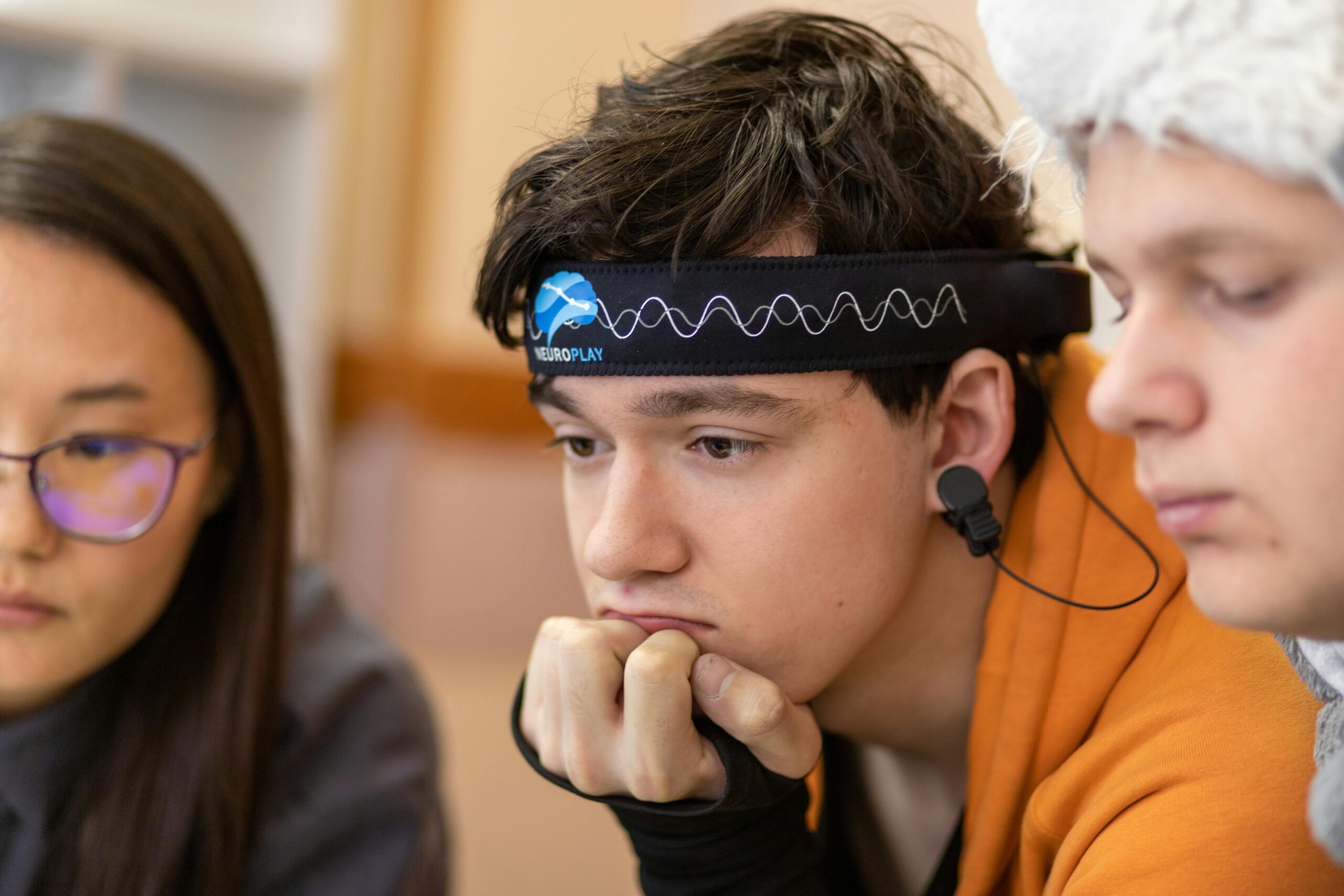
Consumer-grade EEG devices now offer legitimate home training options at affordable price points. Modern headsets combine sophisticated sensors with smartphone applications that guide you through structured training sessions. While less comprehensive than clinical systems, quality consumer devices provide genuine neurofeedback capabilities for self-directed practice.
When selecting equipment, prioritize devices with multiple sensors for better signal quality and more complete brainwave measurement. Look for systems backed by research and offering validated training protocols rather than gimmicky features. Reading independent reviews from neuroscience professionals can help distinguish legitimate technology from marketing hype.
Developing Your Personal Neurofeedback Training Protocol
Effective neurofeedback training requires consistency and strategic planning. Begin by identifying your primary objectives—whether improving focus, reducing anxiety, enhancing creativity, or achieving better sleep. Different goals require different training approaches targeting specific brainwave patterns.
For concentration enhancement, protocols typically focus on increasing sensorimotor rhythm (SMR) waves in the 12-15 Hz range while suppressing theta activity. This combination promotes alert calmness and sustained attention. Training sessions of 20-30 minutes, three to four times weekly, generally produce noticeable improvements within several weeks.
Anxiety reduction protocols emphasize alpha wave enhancement and high beta suppression. By training your brain to generate more relaxed-alert states and fewer anxious-active patterns, you develop greater emotional regulation. Combining this with slow breathing exercises amplifies the effectiveness.
Peak performance protocols often utilize alpha-theta training, which facilitates access to deeper states of relaxation and creativity. This approach has proven particularly effective for overcoming performance blocks, processing psychological issues, and enhancing intuitive problem-solving abilities.
🌟 Advanced Techniques: Combining Neurofeedback With Other Modalities
Neurofeedback becomes even more powerful when integrated with complementary practices. Meditation naturally produces beneficial brainwave states, and neurofeedback accelerates meditation skill development by providing objective feedback on your practice quality. Many practitioners report achieving meditative states in weeks that traditionally take years to develop.
Binaural beats and isochronic tones represent another synergistic technology. These audio techniques use specific frequency patterns to entrain your brainwaves toward desired states. When combined with neurofeedback training, they can accelerate the learning process and deepen training effects.
Physical exercise optimizes neurofeedback outcomes by improving overall brain health, increasing BDNF (brain-derived neurotrophic factor), and enhancing neuroplasticity. The ideal approach combines cardiovascular exercise for brain health with neurofeedback for specific pattern training.
Nutritional optimization supports neurofeedback effectiveness. Omega-3 fatty acids, B vitamins, magnesium, and adequate hydration all influence neurological function. A brain-healthy diet provides the biochemical foundation that allows neurofeedback training to produce maximum results.
Measuring Progress and Tracking Improvements
Quantifying neurofeedback results requires both subjective and objective measures. Maintain a training journal documenting your mental state, performance metrics, and life circumstances. This qualitative data reveals patterns and improvements that might otherwise go unnoticed.
Many neurofeedback applications provide session-by-session data tracking, showing how your brainwave patterns evolve over time. Reviewing these metrics helps identify effective protocols and reveals when adjustments might be necessary. Look for trends over weeks rather than fixating on single session variations.
Real-world performance indicators offer the most meaningful validation. Are you completing work projects with greater efficiency? Sleeping better? Feeling calmer in stressful situations? Achieving flow states more regularly? These practical outcomes matter more than abstract brainwave measurements.
Periodic reassessment through comprehensive brain mapping provides detailed before-and-after comparisons. Professional neurofeedback practitioners can conduct these assessments and adjust training protocols based on your evolving neurological patterns and changing goals.
💪 Overcoming Common Challenges and Plateaus
Initial excitement about neurofeedback sometimes gives way to frustration when progress seems slow. Understanding that brain training requires patience prevents premature abandonment of effective protocols. Neuroplastic changes occur gradually, and sustainable improvements develop through consistent practice rather than dramatic breakthroughs.
Some individuals experience temporary side effects including mild headaches, fatigue, or emotional sensitivity as their brain adjusts to new patterns. These effects typically resolve quickly and indicate that neurological changes are occurring. Reducing session frequency or intensity usually alleviates any discomfort.
Training plateaus are normal and don’t indicate failure. When progress stalls, consider adjusting your protocol, changing training times, or introducing new complementary practices. Sometimes taking a brief break allows consolidation of previous gains before resuming advancement.
Inconsistent practice represents the most common obstacle to success. Establishing a regular training schedule and treating sessions as non-negotiable appointments dramatically improves outcomes. Even brief daily sessions prove more effective than occasional longer trainings.
The Future of Brain Optimization Technology
Neurofeedback technology continues advancing rapidly, with artificial intelligence enhancing personalization and effectiveness. Next-generation systems will offer real-time protocol adjustments based on continuous analysis of your unique neurological responses, optimizing each session automatically.
Wireless and portable neurofeedback devices are becoming increasingly sophisticated while shrinking in size. Soon, discrete wearable technology will enable brain training during normal daily activities rather than requiring dedicated session time. This integration will accelerate skill acquisition and generalization to real-world contexts.
Virtual reality integration represents another exciting frontier. Immersive VR environments combined with neurofeedback create engaging training experiences where the virtual world responds to your brain state in real-time. This approach shows particular promise for anxiety treatment and performance psychology applications.
Research into closed-loop systems that provide direct brain stimulation based on measured brainwave activity may revolutionize neuroenhancement. These approaches could potentially accelerate training effects while maintaining safety through sophisticated monitoring and control algorithms.
🎓 Scientific Evidence and Clinical Validation
Decades of research support neurofeedback’s effectiveness across numerous applications. Controlled studies demonstrate significant improvements in ADHD symptoms, with effect sizes comparable to medication in some cases. This evidence has led to neurofeedback receiving recognition as a Level 1 “best support” intervention for attention disorders.
Anxiety and stress-related conditions respond particularly well to neurofeedback interventions. Multiple studies show reductions in anxiety symptoms, improved emotional regulation, and enhanced stress resilience following targeted brainwave training protocols.
Peak performance applications, while less extensively researched than clinical uses, show compelling evidence. Studies with athletes, musicians, and cognitive performers demonstrate measurable improvements in skill execution, reduced performance anxiety, and enhanced flow state access following neurofeedback training.
Ongoing research continues expanding our understanding of optimal protocols, individual response variations, and long-term effects. As the evidence base grows, neurofeedback is gaining wider acceptance in mainstream medicine, psychology, and performance optimization fields.
Taking Action: Your Roadmap to Brain Optimization
Beginning your neurofeedback journey starts with education and assessment. Research the fundamentals of brainwave science and familiarize yourself with different training approaches. Understanding the principles behind the technology empowers you to make informed decisions and maximize your investment.
Consider starting with a professional assessment to establish baseline measurements and identify specific areas for improvement. Many neurofeedback practitioners offer initial consultations that include brain mapping and personalized recommendations. This foundation ensures your training targets your actual needs rather than generic goals.
Invest in quality equipment appropriate to your budget and commitment level. While consumer devices offer value, recognize their limitations compared to professional systems. Starting with clinical sessions while exploring home training options provides the best of both approaches.
Commit to consistent practice for at least three months before evaluating results. Neurofeedback requires patience and persistence, but the potential returns—enhanced cognitive function, improved emotional regulation, and optimized performance—justify the investment of time and resources.
🚀 Unlocking Your Cognitive Potential
The convergence of neuroscience, technology, and performance optimization has created unprecedented opportunities for brain enhancement. Neurofeedback represents one of the most promising tools available for deliberately upgrading your mental capabilities and accessing latent potential.
Unlike passive interventions or pharmaceutical approaches, neurofeedback teaches your brain to regulate itself more effectively. This creates sustainable improvements that persist beyond training sessions, fundamentally changing how your nervous system operates. The skills you develop become permanent capabilities rather than temporary states.
The democratization of neurofeedback technology means these powerful techniques are no longer confined to elite athletes, executives, or clinical populations. Anyone willing to invest time and effort can access tools previously available only in specialized laboratories and clinical settings.
Your brain possesses remarkable plasticity and untapped capacity for growth throughout your entire lifespan. Neurofeedback and brainwave control provide the keys to unlock this potential systematically and scientifically. The question isn’t whether your brain can improve—it’s whether you’re ready to take control of that improvement process and commit to optimizing your most valuable asset.
By understanding brainwave patterns, implementing consistent training protocols, and leveraging advancing technology, you can achieve levels of focus, creativity, emotional balance, and performance that may currently seem beyond reach. The journey toward optimal brain function begins with a single session and unfolds through dedicated practice. Your enhanced cognitive future awaits—the tools and knowledge are now in your hands.