
The human mind holds extraordinary potential waiting to be unlocked through ancient practices now validated by modern science, bridging millennia of contemplative wisdom with cutting-edge neuroscience.

🧠 The Ancient Roots of Contemplative Practice Meet Modern Investigation
For thousands of years, contemplative traditions across cultures have explored the depths of human consciousness through meditation, mindfulness, and other introspective practices. What once belonged exclusively to monasteries and spiritual sanctuaries has now entered the domain of rigorous scientific inquiry. This convergence has given birth to contemplative science—a field that applies empirical methods to understand how mental training can fundamentally transform our brains, bodies, and lives.
The journey from Eastern monasteries to Western laboratories represents one of the most fascinating intersections of ancient wisdom and modern technology. Researchers now use functional MRI scanners, EEG machines, and sophisticated psychological assessments to measure what contemplatives have known intuitively for centuries: the mind possesses remarkable plasticity and can be trained to enhance well-being, compassion, attention, and emotional regulation.
The Neuroplasticity Revolution: Rewiring Our Mental Circuits
At the heart of contemplative science lies a revolutionary discovery that has transformed our understanding of the brain: neuroplasticity. This term refers to the brain’s ability to reorganize itself by forming new neural connections throughout life. Far from being a fixed organ that deteriorates with age, the brain functions more like a muscle that can be strengthened, reshaped, and optimized through consistent practice.
Studies conducted on long-term meditators have revealed remarkable structural changes in brain regions associated with attention, emotional regulation, and self-awareness. The prefrontal cortex—responsible for executive functions like decision-making and focus—shows increased thickness in practitioners. Similarly, the hippocampus, crucial for learning and memory, demonstrates enhanced volume in individuals who maintain regular meditation practices.
What Research Reveals About Mental Training
Landmark studies from institutions like the University of Wisconsin-Madison’s Center for Healthy Minds and Harvard Medical School have documented measurable changes in brain structure and function after just eight weeks of mindfulness practice. These findings have profound implications: our daily mental habits literally shape our neural architecture.
Research has identified several key areas where contemplative practices create measurable improvements:
- Enhanced attentional stability and the ability to sustain focus for extended periods
- Reduced reactivity in the amygdala, the brain’s alarm system for threats and stress
- Increased activity in regions associated with compassion and empathy
- Improved connectivity between brain regions responsible for self-awareness
- Decreased default mode network activity, reducing rumination and mind-wandering
From Monk to Mainstream: The Democratization of Contemplative Practice
One of the most significant developments in contemplative science has been the translation of esoteric practices into accessible, secular formats. This democratization has removed cultural and religious barriers, allowing people from all backgrounds to benefit from these powerful tools for mental development.
Mindfulness-Based Stress Reduction (MBSR), developed by Jon Kabat-Zinn in the 1970s, pioneered this translation process. By presenting meditation techniques in a medical context stripped of religious terminology, MBSR made contemplative practice acceptable—and even desirable—in healthcare settings, corporations, schools, and prisons.
Today, millions of people worldwide engage with contemplative practices through smartphone applications, online courses, and workplace wellness programs. Technology has made what was once exclusive and obscure into something universally accessible, creating a global laboratory for studying how these practices affect diverse populations.
🔬 Measuring the Immeasurable: Scientific Methodologies in Contemplative Research
One of the greatest challenges facing contemplative science involves measuring subjective inner experiences with objective scientific tools. How do you quantify peace of mind? How do you measure the depth of compassion or the quality of awareness? Researchers have developed increasingly sophisticated approaches to bridge this gap between first-person experience and third-person observation.
Modern contemplative science employs a multi-method approach that combines neuroscience, psychology, physiology, and even molecular biology. Brain imaging techniques like fMRI and PET scans reveal which neural circuits activate during meditation. EEG recordings track electrical patterns across the scalp, identifying distinctive signatures of different contemplative states. Meanwhile, psychological assessments measure changes in attention, emotion regulation, and well-being over time.
The Gold Standard: Randomized Controlled Trials
To establish causality rather than mere correlation, contemplative scientists increasingly rely on randomized controlled trials. These studies randomly assign participants to either a meditation group or a control condition, then track outcomes over weeks or months. This methodology helps isolate the effects of contemplative practice from other variables like expectation, social support, or the simple passage of time.
Some trials have produced remarkable findings. Research published in prestigious journals has demonstrated that meditation can reduce inflammatory markers associated with disease, enhance immune function, and even affect gene expression related to stress response and inflammation.
The Compassion Revolution: Training the Heart and Mind Together 💚
While early contemplative science focused primarily on attention and stress reduction, recent years have witnessed an explosion of interest in practices that cultivate positive qualities like compassion, loving-kindness, and altruism. This shift represents a maturation of the field, moving beyond merely reducing negative states toward actively enhancing positive ones.
Compassion training programs developed by researchers like Tania Singer and Richard Davidson have shown that empathy and concern for others can be systematically cultivated through specific mental exercises. Brain imaging studies reveal that compassion meditation activates neural networks associated with caregiving and positive emotion, while reducing activation in regions linked to negative affect.
These findings carry profound social implications. If compassion can be trained like any other skill, contemplative practices might offer scalable interventions for reducing conflict, enhancing cooperation, and addressing social problems rooted in our inability to extend care beyond narrow in-groups.
Contemplative Science in Clinical Contexts: Healing Mind and Body
The therapeutic applications of contemplative practices have expanded dramatically as evidence accumulates. Mental health professionals now regularly incorporate mindfulness-based interventions into treatment protocols for depression, anxiety, chronic pain, addiction, and trauma-related disorders.
Mindfulness-Based Cognitive Therapy (MBCT), an adaptation specifically designed to prevent depression relapse, has demonstrated efficacy comparable to maintenance antidepressant medication in multiple clinical trials. For individuals with recurrent depression, learning to relate differently to negative thoughts through mindfulness can break the cycle of rumination that triggers relapse.
Beyond Mental Health: Physical Wellness Applications
The mind-body connection revealed by contemplative science extends to physical health in ways that continue to surprise researchers. Studies have documented improvements in conditions as diverse as:
- Chronic pain syndromes, where mindfulness helps people change their relationship to discomfort
- Cardiovascular health, with meditation lowering blood pressure and reducing heart disease risk
- Immune function enhancement, potentially affecting everything from common colds to cancer recovery
- Sleep quality improvements, helping people with insomnia develop healthier sleep patterns
- Inflammatory conditions, where meditation appears to influence immune system regulation
These findings challenge traditional Western medicine’s separation of mental and physical health, suggesting that practices targeting the mind can produce measurable effects throughout the entire body.
⚡ The Dose-Response Question: How Much Practice Is Enough?
One of the most practical questions facing contemplative science concerns dosage: how much practice is necessary to produce meaningful benefits? Traditional contemplative paths often prescribed intensive, lifelong engagement, but modern research suggests that even modest amounts of practice can yield measurable results.
Studies indicate that beginners can experience benefits from as little as 10-15 minutes of daily practice. However, there appears to be a dose-response relationship, with greater amounts of practice generally producing more substantial changes. Long-term practitioners who accumulate thousands or tens of thousands of hours show the most dramatic neural and psychological transformations.
This creates an interesting challenge for researchers and practitioners alike: balancing accessibility with effectiveness. While any amount of practice may help, achieving the profound states described in contemplative traditions likely requires sustained commitment over years or decades.
Critical Perspectives: Challenges and Limitations in the Field
Despite rapid growth and promising findings, contemplative science faces legitimate criticisms that researchers are working to address. Publication bias toward positive findings may inflate perceptions of meditation’s effectiveness. Many studies suffer from small sample sizes, inadequate control groups, or methodological weaknesses that limit the strength of conclusions.
There’s also concern about the “McMindfulness” phenomenon—the commodification and oversimplification of profound contemplative practices into quick fixes that promise stress relief without requiring genuine transformation. Critics worry this dilutes powerful traditions while creating unrealistic expectations.
Additionally, most research has focused on relatively homogeneous populations—often well-educated, Western adults. Questions remain about how findings generalize across cultures, ages, and socioeconomic backgrounds. More diverse, inclusive research is essential as the field matures.
🌍 Global Applications: Contemplative Science Beyond the Laboratory
The insights from contemplative science are being applied in increasingly diverse contexts worldwide. Educational institutions from preschools to universities now integrate mindfulness training to help students manage stress, improve focus, and develop emotional intelligence. Teachers report that even brief mindfulness exercises can transform classroom dynamics.
Corporate settings have embraced contemplative practices as tools for leadership development, stress management, and enhancing workplace culture. Companies ranging from tech giants to healthcare organizations now offer meditation training, recognizing that employee well-being directly impacts productivity, creativity, and retention.
Perhaps most remarkably, contemplative practices have entered correctional facilities, where programs teaching meditation to incarcerated individuals have shown promise in reducing aggression, improving emotional regulation, and lowering recidivism rates. These applications suggest that mental training might address root causes of antisocial behavior.
The Future Frontier: Where Contemplative Science Is Heading
As contemplative science enters its next phase, several emerging directions promise to deepen our understanding of the mind’s potential. Researchers are increasingly interested in optimal combinations of practices—for example, how physical movement, breath work, and mental training might synergize for maximum benefit.
Precision medicine approaches aim to identify which practices work best for which individuals under what circumstances. Rather than one-size-fits-all recommendations, future interventions may be tailored based on genetic profiles, brain characteristics, and personal preferences.
Technology continues to play an evolving role, with virtual reality creating immersive contemplative environments and artificial intelligence offering personalized guidance. Neurofeedback systems that provide real-time information about brain states may accelerate learning, though questions remain about whether technological shortcuts can replicate the benefits of traditional practice.
Integration with Other Scientific Disciplines
Perhaps most exciting is contemplative science’s integration with other fields. Collaborations with environmental science explore how contemplative practice might foster ecological awareness and sustainable behavior. Connections with social psychology investigate how meditation affects group dynamics, prejudice reduction, and collective decision-making.
Developmental research examines how contemplative practices might support healthy child and adolescent development. Early findings suggest that age-appropriate mental training could help young people navigate the challenges of modern life while building resilience and emotional skills.
🎯 Practical Implications: Bringing Science Into Personal Practice
For individuals interested in applying contemplative science insights, several evidence-based principles emerge from the research. Consistency matters more than duration—regular short sessions prove more beneficial than occasional marathon sittings. Starting small and building gradually increases the likelihood of maintaining practice over time.
Finding a form of practice that resonates personally enhances adherence. The “best” meditation isn’t the most esoteric or difficult—it’s the one you’ll actually do. Whether focused attention, open monitoring, compassion cultivation, or movement-based practices, choose approaches that fit your temperament and circumstances.
Scientific findings also suggest that combining contemplative practice with other healthy lifestyle factors—adequate sleep, physical exercise, social connection, and purposeful engagement—creates synergistic benefits greater than any single intervention alone.
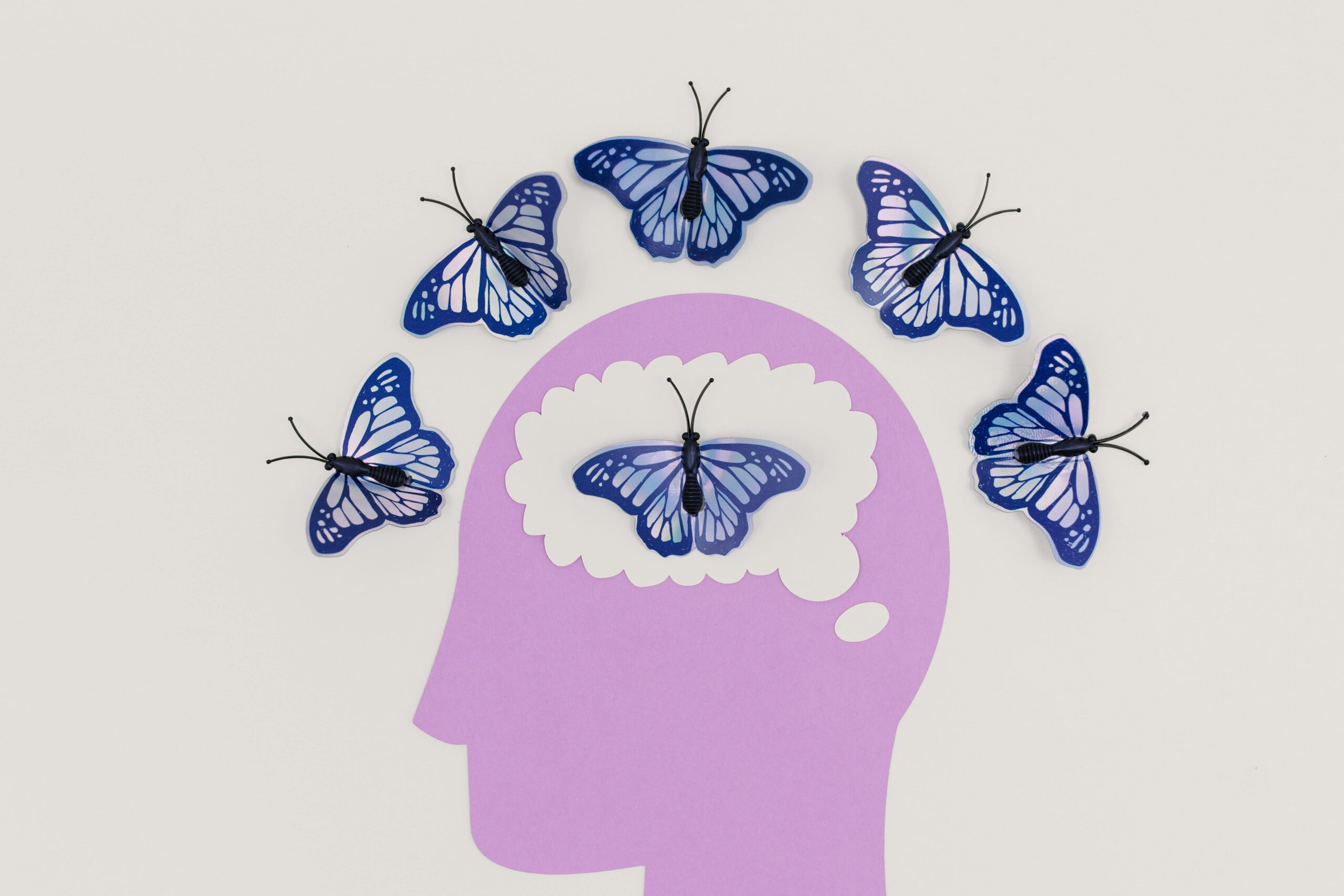
The Evolving Definition of Human Potential
Contemplative science represents more than just another field of psychological or neuroscientific research. It fundamentally challenges Western assumptions about human nature, consciousness, and the possibilities for transformation. By demonstrating that qualities once considered fixed personality traits—attention span, emotional reactivity, compassion capacity—can be systematically developed, this research expands our conception of human potential.
The evolution from ancient contemplative wisdom to rigorous scientific investigation hasn’t diminished the profundity of these practices—it has made them more accessible and credible to skeptical audiences. As evidence accumulates, contemplative approaches are shifting from alternative or complementary status toward mainstream recognition as powerful tools for enhancing human flourishing.
This ongoing evolution promises to reshape education, healthcare, business, and social institutions in ways we’re only beginning to understand. As more people engage with practices that strengthen attention, regulate emotion, and cultivate compassion, the collective impact could address some of humanity’s most pressing challenges—from mental health crises to social polarization.
The power of the mind, validated and amplified through contemplative science, offers hope for a future where human beings fulfill more of their extraordinary potential for awareness, wisdom, and care. This journey from monastery to laboratory to everyday life represents one of the most significant developments in our understanding of what it means to be human—and what we might yet become.