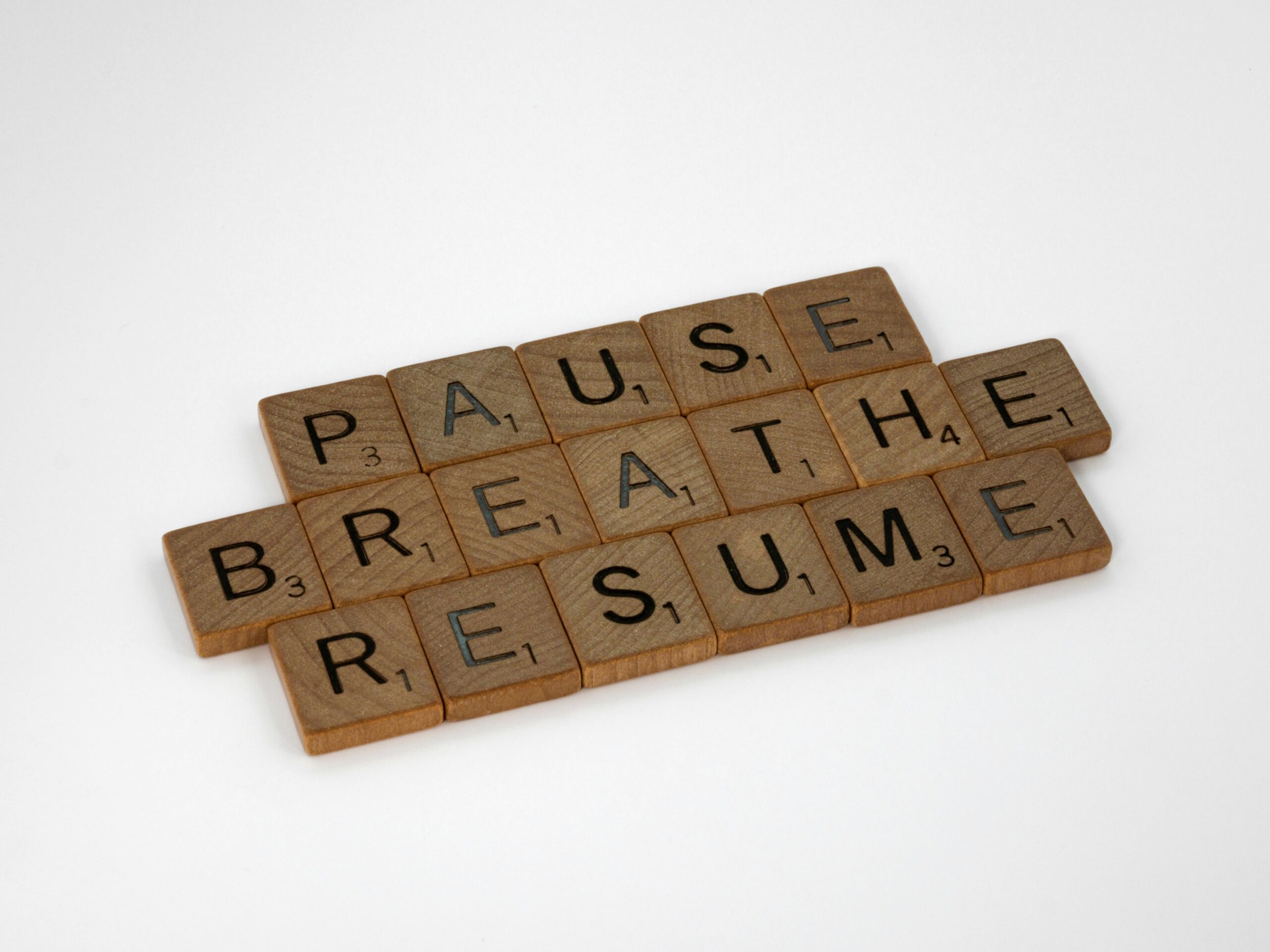
Emotional turbulence can derail even the best-laid plans, but mindfulness offers a scientifically-backed pathway to navigate feelings with clarity and control.

In our fast-paced modern world, emotions often feel like unpredictable storms that sweep through our consciousness without warning. One moment you’re calm and focused, the next you’re overwhelmed by anxiety, frustration, or sadness. This emotional volatility isn’t just uncomfortable—it affects our relationships, productivity, decision-making abilities, and overall quality of life. The good news? You don’t have to remain at the mercy of your emotions. Through the practice of mindfulness, you can develop the capacity to observe, understand, and skillfully respond to your emotional states rather than being controlled by them.
🧠 Understanding the Mind-Emotion Connection
Before diving into mindfulness techniques, it’s essential to understand the fundamental relationship between your mind and emotions. Neuroscience has revealed that emotions aren’t random events—they’re complex responses involving multiple brain regions, including the amygdala (your emotional alarm system), the prefrontal cortex (your rational decision-maker), and various other structures that process sensory information and memories.
When you experience an emotion, your brain is essentially interpreting a situation based on past experiences, current circumstances, and perceived threats or opportunities. The problem arises when these automatic responses happen so quickly that you react before your conscious mind has time to evaluate whether the response is appropriate or helpful.
This is where mindfulness becomes transformative. By cultivating present-moment awareness, you create a small but crucial gap between stimulus and response—a space where choice becomes possible. As Viktor Frankl famously stated, “Between stimulus and response there is a space. In that space is our power to choose our response. In our response lies our growth and our freedom.”
What Mindfulness Really Means for Emotional Regulation
Mindfulness isn’t about suppressing emotions or forcing yourself to feel positive all the time. Rather, it’s about developing a different relationship with your emotional experiences. Jon Kabat-Zinn, the founder of Mindfulness-Based Stress Reduction (MBSR), defines mindfulness as “paying attention in a particular way: on purpose, in the present moment, and non-judgmentally.”
When applied to emotional regulation, mindfulness involves several key components:
- Awareness: Recognizing when an emotion is arising in real-time
- Acceptance: Allowing the emotion to exist without immediately trying to change or eliminate it
- Non-identification: Understanding that you are not your emotions—they are temporary experiences passing through your consciousness
- Investigation: Curious exploration of the physical sensations, thoughts, and circumstances surrounding the emotion
- Wise action: Responding skillfully rather than reacting impulsively
This approach differs dramatically from emotional suppression (which research shows leads to increased distress) or uncontrolled emotional expression (which often damages relationships and creates regret). Mindfulness offers a middle path—full acknowledgment coupled with conscious choice.
The Neuroscience Behind Mindfulness and Emotional Control 🔬
The effectiveness of mindfulness for emotional regulation isn’t just philosophical—it’s grounded in measurable changes in brain structure and function. Numerous neuroimaging studies have documented how regular mindfulness practice literally rewires the brain in beneficial ways.
Research published in the journal Psychiatry Research: Neuroimaging found that participants in an eight-week MBSR program showed increased gray matter density in the hippocampus (important for learning and memory) and decreased gray matter density in the amygdala (the fear and stress center). This structural change corresponded with participants’ self-reported reductions in stress levels.
Additionally, mindfulness practice strengthens the connections between the prefrontal cortex and the amygdala. This enhanced connectivity means your rational brain has more influence over your emotional brain, giving you greater capacity to modulate your emotional responses. It’s like building a stronger brake system for your emotional reactions.
Functional MRI studies have also shown that experienced meditators demonstrate less activation in the default mode network—the brain regions associated with mind-wandering and rumination. Since rumination is a key factor in anxiety and depression, this reduced activation helps explain why mindfulness practitioners often report greater emotional stability and wellbeing.
Practical Mindfulness Techniques for Daily Emotional Balance
Understanding the theory is valuable, but the real transformation happens through consistent practice. Here are evidence-based mindfulness techniques you can implement immediately to improve your emotional regulation:
The STOP Practice: Your Emergency Emotional Reset
When you feel overwhelmed by emotion, use this four-step technique:
- S – Stop: Pause whatever you’re doing and saying
- T – Take a breath: Breathe deeply, following the full cycle of inhalation and exhalation
- O – Observe: Notice what’s happening in your body, mind, and environment
- P – Proceed: Continue with greater awareness and intention
This simple practice interrupts automatic emotional reactivity and activates your prefrontal cortex, giving you access to more thoughtful responses. The entire sequence takes less than a minute but can prevent hours of regret from impulsive reactions.
Body Scan for Emotional Awareness
Emotions always have a physical component—tension in your shoulders, tightness in your chest, butterflies in your stomach. By regularly scanning your body, you develop early-warning detection for emerging emotions before they become overwhelming.
Practice this for 10-15 minutes daily: Lie down or sit comfortably and systematically bring attention to each part of your body, from your toes to the crown of your head. Simply notice sensations without trying to change them. This practice builds your interoceptive awareness—your ability to sense what’s happening inside your body—which is fundamental to emotional intelligence.
Labeling Emotions: The Power of Naming
Research by UCLA psychologist Matthew Lieberman demonstrated that simply naming an emotion reduces its intensity. In brain scans, when participants labeled emotional faces, activity in the amygdala decreased while activity in the prefrontal cortex increased—essentially, naming the emotion helped regulate it.
When you feel emotionally activated, practice silently noting: “This is anxiety,” “This is frustration,” “This is disappointment.” Be specific—there’s a difference between “irritation” and “rage,” between “concern” and “panic.” This precision helps your brain process the experience more effectively.
Creating a Sustainable Mindfulness Practice for Long-Term Results 💪
Occasional mindfulness exercises provide temporary relief, but consistent practice creates lasting neurological changes that fundamentally improve your emotional regulation capacity. Here’s how to build a sustainable practice:
Start Small and Be Consistent
Many people attempt to meditate for 30 minutes daily, become overwhelmed, and quit entirely. Research shows that consistency matters more than duration. Start with just five minutes daily—a commitment so small it’s almost impossible to break. Once this becomes automatic, gradually increase the duration.
Consider anchoring your practice to an existing habit: after brushing your teeth, before your morning coffee, or during your lunch break. This “habit stacking” technique dramatically increases adherence.
Use Technology Mindfully
While mindfulness is about disconnecting from constant stimulation, guided meditation apps can provide valuable structure and instruction, especially for beginners. Apps like Headspace, Calm, and Insight Timer offer programs specifically designed for emotional regulation, with guided sessions ranging from 3 to 30 minutes.
The key is using technology as a support tool rather than becoming dependent on it. As your practice matures, you’ll likely need less external guidance and can practice anywhere, anytime—which is when mindfulness becomes most powerful for real-time emotional regulation.
Addressing Common Challenges in Mindful Emotional Regulation 🎯
The path to emotional mastery through mindfulness isn’t always smooth. Understanding common obstacles helps you navigate them skillfully:
When Emotions Feel Too Intense
Some emotions feel too overwhelming to simply “observe” without judgment. This is normal, especially when processing trauma or deep-seated patterns. In these situations, it’s important to practice what’s called “resourcing”—deliberately calling to mind positive experiences, safe places, or supportive relationships before working with difficult emotions.
If emotions consistently feel unmanageable, this may indicate the need for professional support. Mindfulness is powerful but isn’t a replacement for therapy when dealing with complex emotional issues or mental health conditions.
The Meditation Perfectionism Trap
Many beginners judge themselves harshly when their mind wanders during meditation, thinking they’re “doing it wrong.” In reality, noticing that your mind has wandered and gently returning attention to your chosen focus is the practice. Each time you notice distraction and return to presence, you’re strengthening your attentional control—like doing a bicep curl for your brain.
There’s no such thing as a “good” or “bad” meditation session. Every moment of practice contributes to the gradual rewiring of your brain and development of emotional regulation skills.
Integrating Mindfulness Into Challenging Emotional Situations
The true test of mindfulness practice comes during difficult moments—conflict with a loved one, stress at work, disappointment, or loss. Here’s how to apply mindfulness when emotions run high:
In Conflict and Difficult Conversations
Before entering a potentially emotional conversation, take three conscious breaths to center yourself. During the conversation, periodically check in with your body—are you holding your breath? Is your jaw clenched? These physical cues indicate rising emotion. When you notice them, take a brief pause, breathe, and return to listening rather than planning your response.
Practice what Thich Nhat Hanh calls “compassionate listening”—giving your full attention to understanding the other person’s perspective without immediately defending your position. This doesn’t mean agreeing with everything said; it means creating space for genuine communication rather than reactive argumentation.
Managing Anxiety and Worry
Anxiety often involves catastrophic future-thinking. Mindfulness brings you back to the present moment, where most feared scenarios aren’t actually happening. When anxiety arises, use the “5-4-3-2-1” grounding technique: Identify 5 things you can see, 4 you can touch, 3 you can hear, 2 you can smell, and 1 you can taste. This sensory awareness interrupts the anxiety loop and anchors you in present reality.
Additionally, practice distinguishing between productive concern (which motivates helpful action) and unproductive worry (which simply creates suffering without solving problems). Ask yourself: “Is there action I can take right now?” If yes, take it. If no, practice returning attention to the present moment.
The Ripple Effects: How Emotional Mastery Transforms Your Life 🌊
As you develop stronger emotional regulation through mindfulness, the benefits extend far beyond just feeling calmer. Research documents improvements across multiple life domains:
Relationship quality: When you’re less reactive and more present, you communicate more effectively and respond to others with greater empathy. Studies show that individuals with higher mindfulness scores report greater relationship satisfaction and more constructive conflict resolution.
Professional effectiveness: Emotional regulation is a core component of leadership and professional success. Mindful individuals demonstrate better decision-making under pressure, greater creativity (which requires the psychological safety to explore ideas without immediate judgment), and enhanced focus in an era of constant distraction.
Physical health: Chronic emotional dysregulation contributes to inflammation, cardiovascular problems, and weakened immune function. By reducing stress reactivity, mindfulness practice supports physical health. Multiple studies show reductions in blood pressure, cortisol levels, and inflammatory markers among regular practitioners.
Self-compassion: Perhaps most importantly, mindfulness helps you develop a kinder relationship with yourself. Rather than harshly judging yourself for having difficult emotions, you learn to meet yourself with the same compassion you’d offer a good friend facing similar challenges.

Moving Forward: Your Personalized Path to Emotional Freedom
Mastering your emotions through mindfulness is a journey, not a destination. There will be days when you handle challenges with remarkable equanimity and days when you fall back into old reactive patterns. This is completely normal and expected. The goal isn’t perfection—it’s gradual progress and increasing awareness.
Start today with one simple commitment: Choose a single mindfulness technique from this article and practice it consistently for the next week. Perhaps it’s the STOP practice when you feel overwhelmed, emotion labeling throughout your day, or five minutes of morning meditation. Whatever you choose, approach it with curiosity and self-compassion rather than harsh self-judgment.
Remember that every moment offers a new opportunity to respond to your emotional life with greater wisdom and skill. Each time you pause before reacting, each time you notice an emotion without being swept away by it, each time you choose presence over autopilot—you’re rewiring your brain and reclaiming your emotional freedom. The power to transform your relationship with emotions isn’t somewhere in the distant future; it’s available right now, in this present moment, with your very next breath.