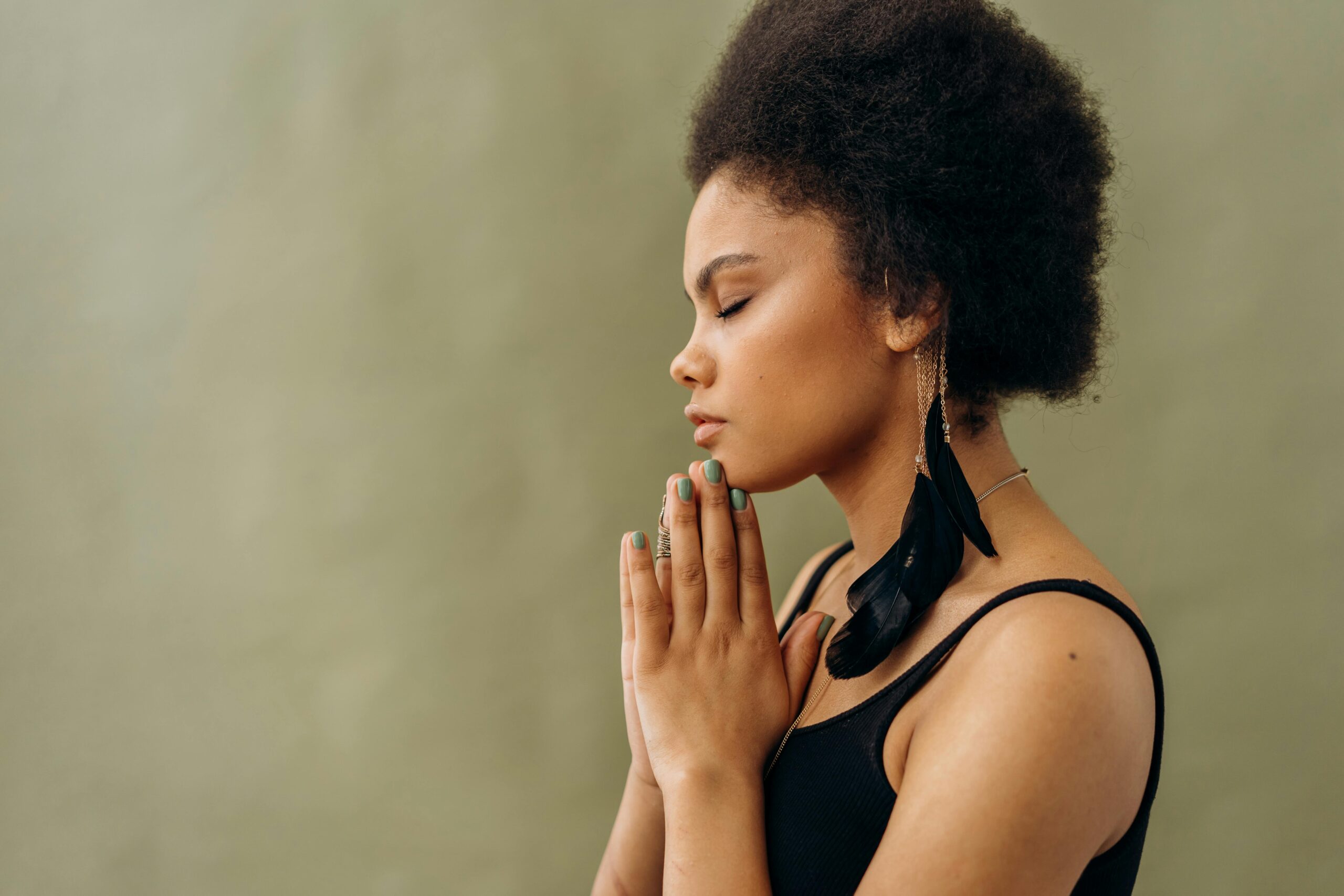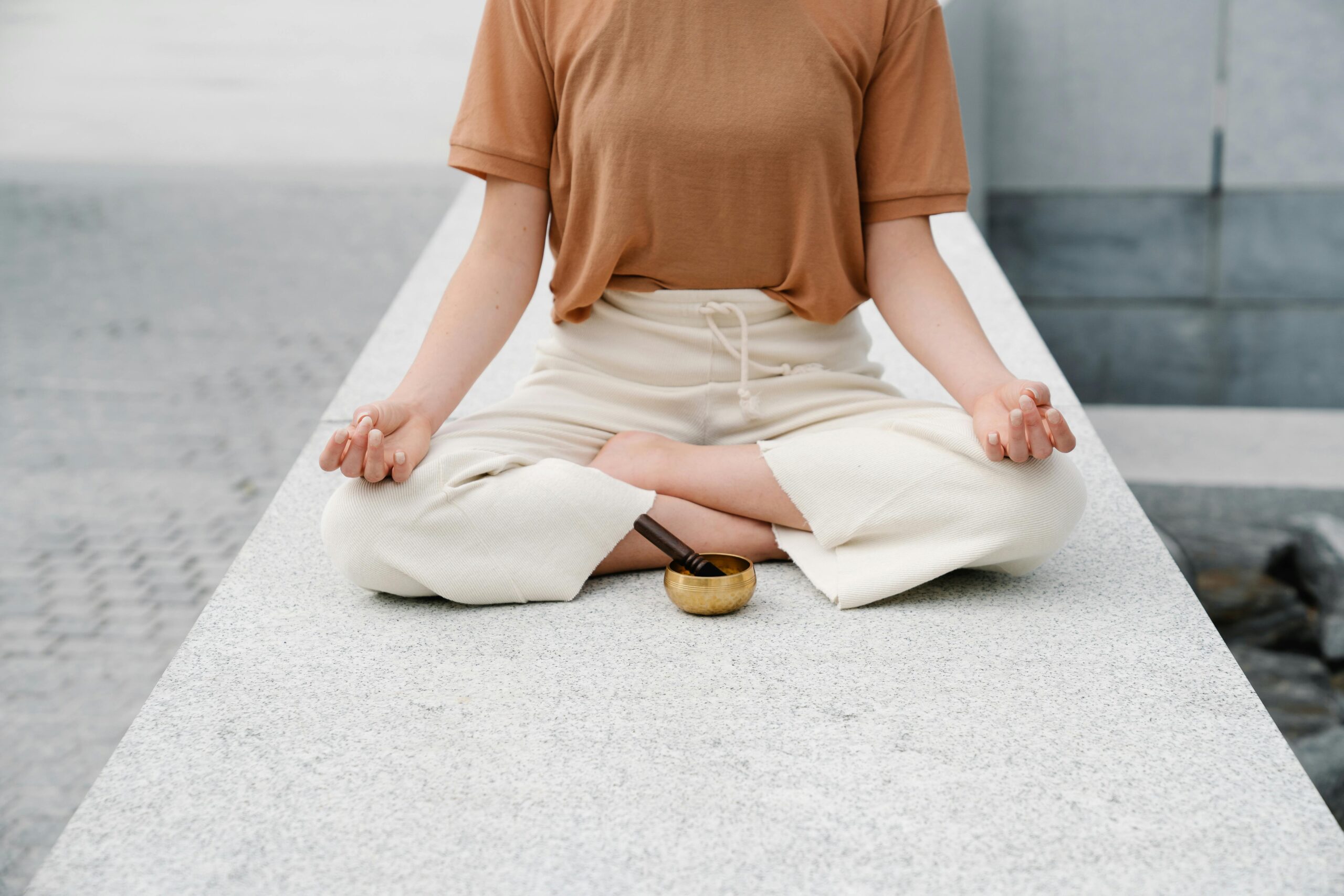
In an increasingly fast-paced world, contemplative traditions offer timeless wisdom for finding inner peace, clarity, and connection across diverse cultures and spiritual paths.

🌍 The Universal Language of Stillness
Contemplative practices have existed for millennia, transcending geographical boundaries and religious affiliations. From the misty mountains of Tibet to the tranquil monasteries of Greece, from indigenous ceremonies in the Amazon to Sufi gatherings in Persia, humanity has consistently sought ways to quiet the mind and touch something deeper within. These traditions, while diverse in their expressions, share a common thread: the recognition that profound wisdom emerges from stillness, reflection, and intentional awareness.
Today’s global interconnectedness allows us unprecedented access to these ancient practices. We can learn meditation techniques from Buddhist monks, explore Christian contemplative prayer, discover Islamic dhikr, or practice Hindu raja yoga—all without leaving our homes. This cross-pollination of wisdom traditions enriches our understanding of what it means to be human and provides multiple pathways toward self-discovery and spiritual growth.
Buddhist Meditation: The Path of Mindful Awareness 🧘
Buddhism has perhaps contributed more systematically documented contemplative practices than any other tradition. Originating in India around 2,500 years ago with Siddhartha Gautama’s awakening, Buddhist meditation encompasses numerous techniques designed to cultivate awareness, compassion, and insight into the nature of reality.
Vipassana meditation, meaning “insight” or “clear seeing,” forms the foundation of many Buddhist practices. This technique involves observing bodily sensations, thoughts, and emotions without judgment or attachment. Practitioners develop equanimity by witnessing the impermanent nature of all phenomena, gradually loosening the grip of craving and aversion that Buddhism identifies as the root of suffering.
Zen Buddhism, which flourished in Japan, emphasizes zazen—sitting meditation characterized by focused attention on breathing and posture. The Zen approach often incorporates koans, paradoxical questions or statements that bypass logical thinking to trigger direct insight. Questions like “What is the sound of one hand clapping?” serve not as intellectual puzzles but as contemplative tools that exhaust the rational mind and create openings for intuitive understanding.
Tibetan Buddhism offers elaborate visualization practices and mantra recitation. Practitioners might visualize complex deity forms representing enlightened qualities, mentally construct and deconstruct mandalas, or repeat sacred syllables thousands of times. These techniques harness imagination and sound as vehicles for transformation, training attention while instilling specific virtuous qualities in the practitioner’s mind stream.
Metta: Cultivating Universal Loving-Kindness
One of Buddhism’s most accessible and transformative practices is metta bhavana, or loving-kindness meditation. This technique systematically extends goodwill first toward oneself, then progressively toward loved ones, neutral persons, difficult people, and finally all beings everywhere. The practice counters habitual negativity and cultivates unconditional compassion—a quality increasingly recognized by psychological research as essential for well-being and resilience.
Christian Contemplation: Meeting the Divine in Silence ✝️
Christianity possesses a rich but often overlooked contemplative heritage. While many associate Christian practice primarily with liturgy, scripture reading, and communal worship, the tradition has always included those who sought direct, unmediated experience of the Divine through silent prayer and inner stillness.
The Desert Fathers and Mothers of early Christianity retreated to the Egyptian wilderness in the 3rd and 4th centuries, developing practices that emphasized simplicity, solitude, and continuous prayer. They pioneered techniques like the repetition of short prayers, most notably the Jesus Prayer: “Lord Jesus Christ, Son of God, have mercy on me, a sinner.” This practice, similar to mantra meditation, synchronizes breath and sacred words to quiet mental chatter and cultivate continuous awareness of divine presence.
Centering Prayer, a contemporary adaptation of ancient Christian contemplative practices, was developed by Trappist monks Thomas Keating, William Meninger, and Basil Pennington in the 1970s. This method involves choosing a sacred word as a symbol of intention to consent to God’s presence and action within, then gently returning to that word whenever thoughts arise. The practice emphasizes receptivity rather than activity, resting in divine presence rather than achieving specific mental states.
Lectio Divina: Sacred Reading as Contemplation
Lectio Divina, meaning “divine reading,” represents another distinctly Christian contemplative approach. This practice involves slowly reading sacred texts through four progressive stages: lectio (reading), meditatio (meditation), oratio (prayer), and contemplatio (contemplation). Rather than intellectual analysis, practitioners allow words to resonate deeply, listening for personal meaning and divine communication within the text. This transforms scripture from historical document into living encounter.
Islamic Contemplative Practices: Remembrance of the Divine 🕌
Islam’s contemplative dimension finds its fullest expression in Sufism, the mystical branch that emphasizes direct personal experience of Allah’s presence. While often viewed as esoteric, Sufi practices actually stem from core Islamic principles, particularly dhikr—remembrance of God—which the Quran repeatedly enjoins upon believers.
Dhikr involves rhythmic repetition of divine names, Quranic phrases, or the shahada (declaration of faith). Practitioners might recite “Allah” or “La ilaha illallah” (There is no god but God) hundreds or thousands of times, often coordinating repetition with breathing and sometimes with physical movements. This practice aims to polish the heart’s mirror, removing the rust of worldly attachments so divine reality can be reflected clearly.
Sufi orders developed specific contemplative methodologies passed from master to disciple. The Naqshbandi order emphasizes silent dhikr and visualization techniques. The Mevlevi order, founded by followers of the poet Rumi, incorporates whirling meditation—rotating continuously to induce altered states of consciousness while maintaining centered awareness. The Qadiri and Chishti orders utilize music and devotional poetry as contemplative vehicles, recognizing beauty’s power to transport consciousness beyond ordinary perception.
Muraqaba: Islamic Meditation Practices
Muraqaba, often translated as “to watch over” or “to observe,” represents Islamic meditation practices aimed at achieving consciousness of divine presence. Practitioners adopt specific postures, regulate breathing, and focus attention inward while maintaining awareness of being observed by Allah. Various forms exist, including muraqaba of the heart, where attention centers on the spiritual heart as the locus of divine connection, and visualization practices that contemplate divine attributes or prophetic presence.
Hindu Contemplative Traditions: Pathways to Union 🕉️
Hinduism offers perhaps the most diverse array of contemplative practices, reflecting its long history and multiple philosophical schools. The ultimate goal across traditions is moksha—liberation from the cycle of rebirth through realization of one’s true nature as identical with Brahman, the ultimate reality.
Raja Yoga, systematized by Patanjali in the Yoga Sutras around the 4th century CE, outlines an eight-limbed path culminating in samadhi—complete absorption in meditative consciousness. The practices progress from ethical foundations (yamas and niyamas) through physical postures (asana), breath control (pranayama), sense withdrawal (pratyahara), concentration (dharana), meditation (dhyana), to finally samadhi. This comprehensive system addresses body, breath, mind, and spirit as interconnected dimensions requiring integrated development.
Jnana Yoga emphasizes contemplative inquiry as the path to liberation. Practitioners engage in self-inquiry, persistently asking “Who am I?” to discriminate between the temporary, changing aspects of experience and the unchanging witness consciousness. This analytical meditation, championed by teachers like Ramana Maharshi, bypasses religious ritual and belief, instead directly investigating the nature of the self.
Mantra Meditation and Sacred Sound
Hindu traditions extensively utilize mantra—sacred sounds or phrases—as contemplative tools. The practice ranges from simple repetition of “Om,” considered the primordial vibration underlying existence, to complex Vedic mantras requiring precise pronunciation and understanding. Transcendental Meditation, popularized in the West by Maharishi Mahesh Yogi, adapts traditional mantra practices, offering personalized sound formulas designed to suit individual practitioners.
Bhakti Yoga, the path of devotion, transforms emotion into contemplative fuel. Practitioners cultivate intense love and longing for the divine through chanting, prayer, and visualization of deity forms. This approach recognizes that heartfelt devotion can dissolve ego boundaries as effectively as rigorous meditation, making spiritual practice accessible to those of emotional temperament.
Indigenous and Shamanic Traditions: Earth-Based Contemplation 🌿
Indigenous contemplative practices worldwide share common features: deep relationship with nature, community orientation, and incorporation of altered states of consciousness through drumming, chanting, fasting, or plant medicines. These traditions don’t typically separate “spiritual practice” from daily life but weave contemplative awareness throughout existence.
Native American traditions include vision quests, where individuals spend days alone in nature fasting and praying for guidance. Sweat lodge ceremonies create conditions for purification and prayer through intense heat and communal ritual. Sacred pipe ceremonies involve contemplative smoking where tobacco smoke carries prayers to the spirit world, each action performed with complete presence and intention.
Australian Aboriginal traditions center on the Dreamtime—the eternal present where ancestral spirits created the world and continue to inhabit it. Contemplative practices include songlines, where walking traditional routes while singing specific songs maintains connection with ancestral knowledge and sacred geography, turning movement itself into meditation.
Plant Medicine Ceremonies
Many indigenous cultures incorporate plant medicines like ayahuasca, peyote, or iboga in ceremonial contexts as contemplative sacraments. These substances, used with proper preparation, guidance, and intention, can facilitate profound introspective experiences, emotional healing, and spiritual insight. While controversial and legally restricted in many places, research increasingly validates their therapeutic potential when used responsibly within appropriate traditional or clinical frameworks.
Taoist Practices: Flowing with the Way 🐉
Taoism, emerging in ancient China, emphasizes harmony with the Tao—the fundamental, indefinable principle underlying reality. Taoist contemplative practices cultivate wu wei, effortless action arising from alignment with natural patterns rather than forced intention.
Taoist meditation includes practices like “sitting and forgetting” (zuowang), where practitioners release attachment to sensory experience and conceptual thought, merging awareness with the Tao. Inner alchemy (neidan) involves visualizing and cultivating internal energies, particularly the “three treasures”—jing (essence), qi (vital energy), and shen (spirit)—to achieve longevity and spiritual transformation.
Qigong combines movement, breathing, and meditation to cultivate and balance qi. Practitioners perform slow, flowing movements while maintaining meditative awareness, experiencing their body as an energy system in dynamic relationship with surrounding nature. This practice exemplifies Taoism’s holistic approach, refusing to separate physical health from spiritual cultivation.
Jewish Mysticism: Contemplating the Infinite 🔯
Kabbalah, Jewish mysticism, offers contemplative practices aimed at comprehending and experiencing the divine reality underlying creation. Central to Kabbalistic contemplation is the Tree of Life—a diagram of ten sefirot (divine emanations) representing different aspects of God’s interaction with creation.
Kabbalistic meditation involves visualizing Hebrew letters, contemplating divine names, and focusing on the sefirot to align consciousness with different divine qualities. Some practices resemble mantra meditation, repeating divine names or letter combinations with specific intentions and visualizations. Hitbodedut, popularized by Rabbi Nachman of Breslov, involves secluded personal prayer where practitioners speak spontaneously to God in their own language, expressing everything in their heart without formal structure.
Secular and Contemporary Adaptations: Mindfulness Goes Global 🌐
Recent decades have witnessed contemplative practices entering mainstream culture through secular adaptations, particularly mindfulness-based interventions. Jon Kabat-Zinn’s Mindfulness-Based Stress Reduction (MBSR) program, developed in 1979, extracted meditation techniques from their Buddhist context, presenting them as clinical interventions for pain, stress, and illness. This democratization has made contemplative practice accessible to millions who might never engage with traditional religious frameworks.
Research has validated contemplative practices’ benefits for mental health, cognitive function, immune response, and neuroplasticity. Brain imaging studies show meditation literally reshapes neural structures, increasing gray matter in regions associated with learning, memory, emotional regulation, and perspective-taking while decreasing density in the amygdala, associated with anxiety and stress response.
Meditation apps like Calm, Headspace, and Insight Timer have introduced millions to contemplative practice through guided sessions, making ancient wisdom accessible through modern technology. While purists sometimes criticize commercialization and decontextualization, these platforms undeniably lower barriers to entry, potentially serving as gateways to deeper exploration of traditional contemplative paths.
Finding Your Contemplative Path: Practical Integration 💫
Exploring contemplative traditions from around the world reveals both inspiring diversity and profound commonality. While methods differ—some using words, others silence; some emphasizing stillness, others movement; some focusing inward, others opening outward—all recognize that transformation requires sustained practice, patience, and often guidance from experienced teachers.
Beginning a contemplative practice need not be complicated. Start with just five minutes daily, choosing a single technique that resonates with your temperament and worldview. Consistency matters more than duration. Whether you’re drawn to Buddhist mindfulness, Christian centering prayer, Sufi dhikr, or secular breathing exercises, regular practice gradually rewires attention, cultivates presence, and opens dimensions of experience unavailable to the perpetually distracted mind.
Consider exploring multiple traditions. While depth comes from commitment to a specific path, cross-traditional exploration enriches understanding and prevents mistaking one tradition’s particular expressions for universal truth. A Buddhist might benefit from Christian contemplative prayer’s devotional warmth, while a Christian might appreciate Buddhism’s systematic psychology of mind. This interfaith contemplative dialogue represents one of our era’s most promising spiritual developments.
Creating Supportive Conditions
Successful contemplative practice requires more than technique. Create dedicated space and time, even if modest. Inform household members of your practice so they respect your contemplative periods. Consider joining a meditation group or sangha—community support tremendously aids consistency and provides guidance when challenges arise. Many traditions emphasize that contemplative development rarely succeeds in isolation; we need companions on the journey.
Be patient with yourself. The mind will wander. Emotions will arise. Bodies will itch and ache. These aren’t failures but the raw material of practice. Each moment of returning attention, each instance of meeting discomfort with equanimity, strengthens contemplative capacity. Transformation happens gradually, through accumulated moments of presence rather than dramatic breakthroughs.
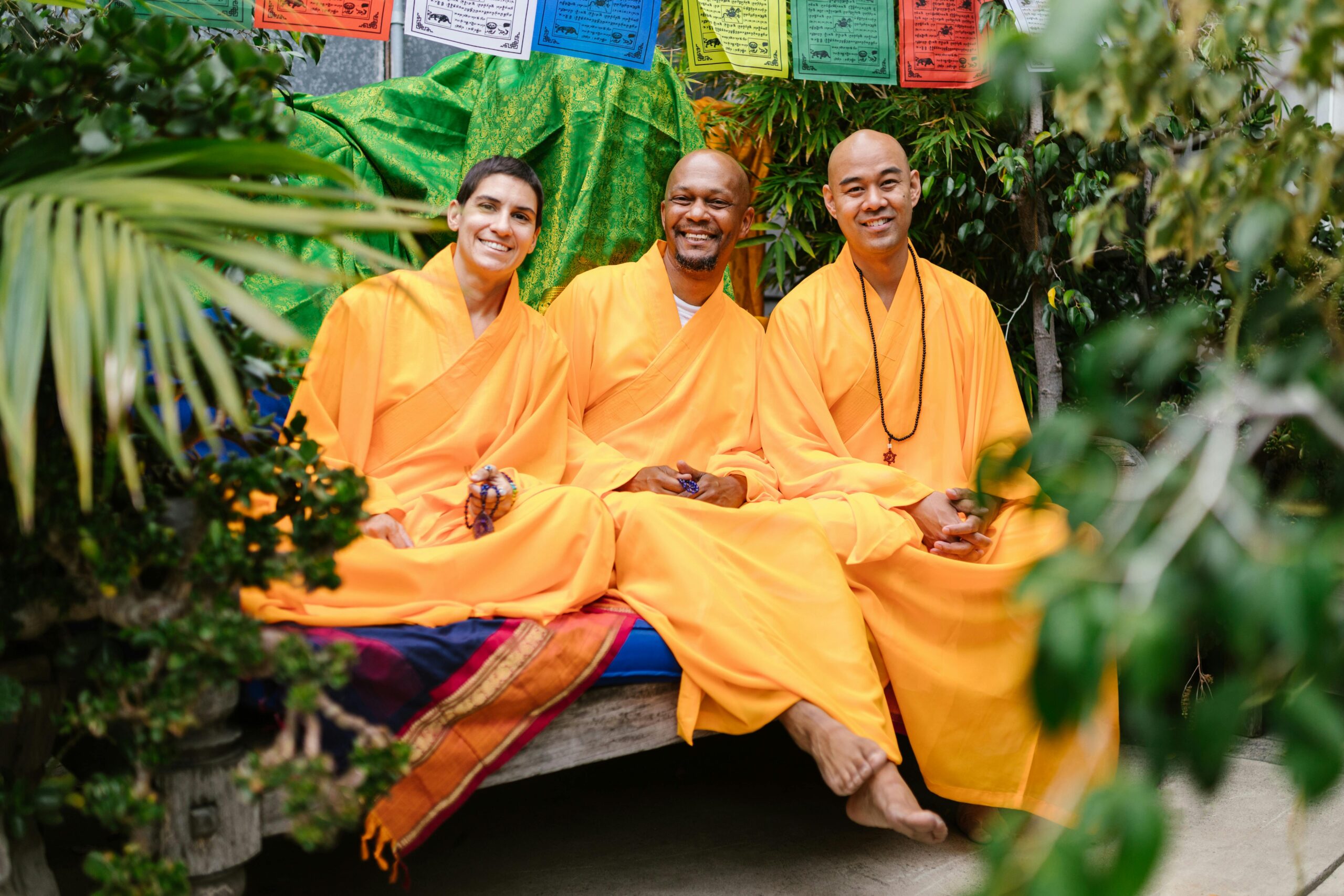
The Future of Global Contemplative Practice 🌟
As our world grows more connected yet paradoxically more fragmented, contemplative traditions offer essential wisdom for navigating contemporary challenges. Climate crisis, political polarization, mental health epidemics, and technological disruption all demand the qualities contemplative practice cultivates: sustained attention, emotional regulation, perspective-taking, compassion, and capacity to respond rather than react.
Educational institutions increasingly integrate contemplative practices. Universities offer contemplative studies programs. Schools teach mindfulness to students. Corporations provide meditation spaces for employees. This mainstreaming holds both promise and peril—promise of widespread wellbeing improvements, peril of superficial adoption that misses contemplative practice’s transformative depth and ethical foundations.
The challenge ahead involves honoring contemplative traditions’ wisdom while adapting practices for contemporary contexts. We must preserve the integrity of these ancient paths while making them accessible across cultural, religious, and socioeconomic boundaries. This requires ongoing dialogue between tradition-holders and contemporary practitioners, between scientific researchers and spiritual teachers, between Eastern and Western perspectives.
Ultimately, exploring contemplative traditions from around the world isn’t mere intellectual exercise or exotic tourism. It’s a practical necessity for developing the inner resources required to live fully human lives in demanding times. These practices offer not escape from the world but deeper engagement with it, rooted in awareness, compassion, and wisdom cultivated through patient, sustained attention to the miracle of this present moment. Whether you’re drawn to prayer or meditation, chanting or silence, solitude or community, a wealth of contemplative wisdom awaits your exploration, offering pathways home to your deepest, truest self.