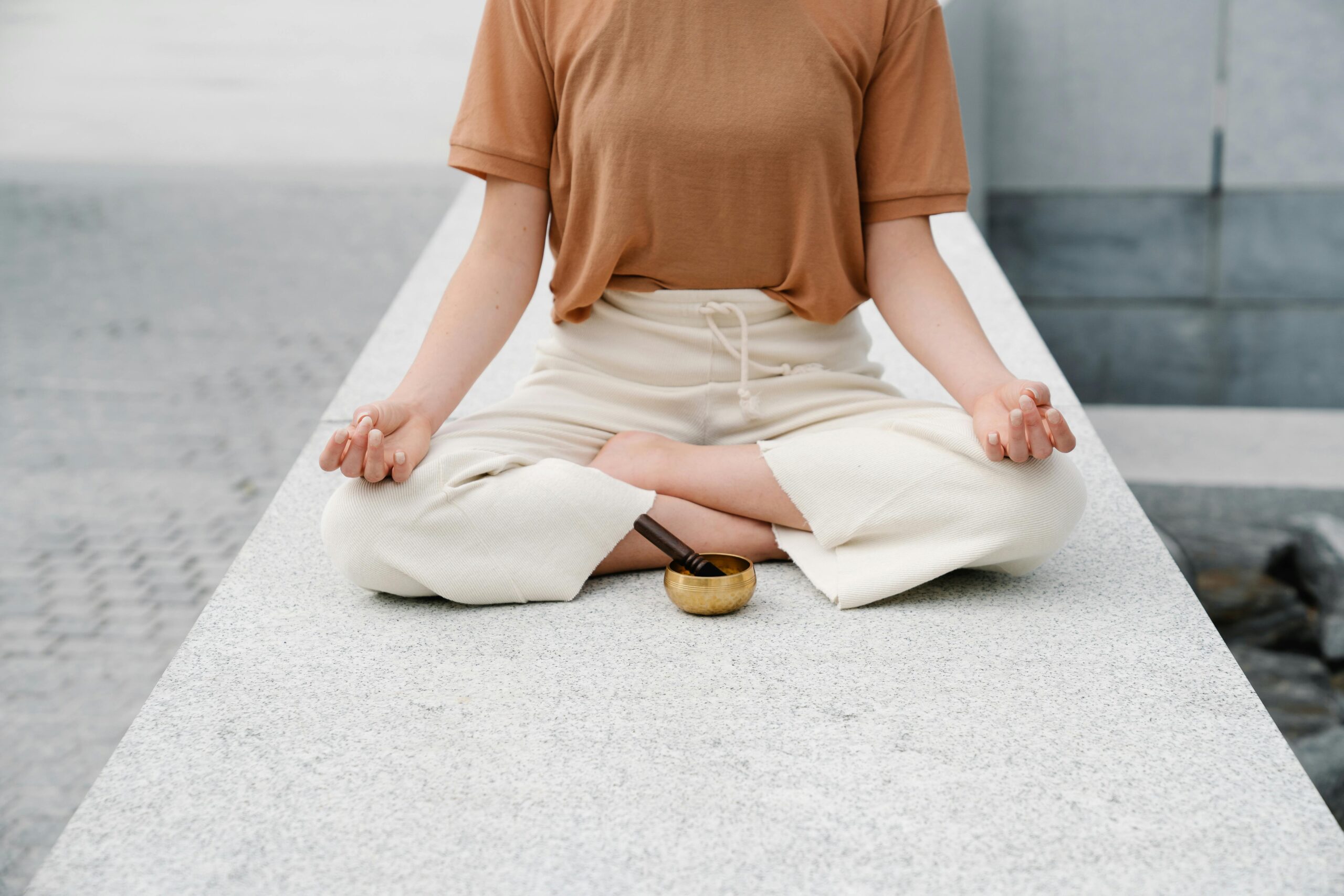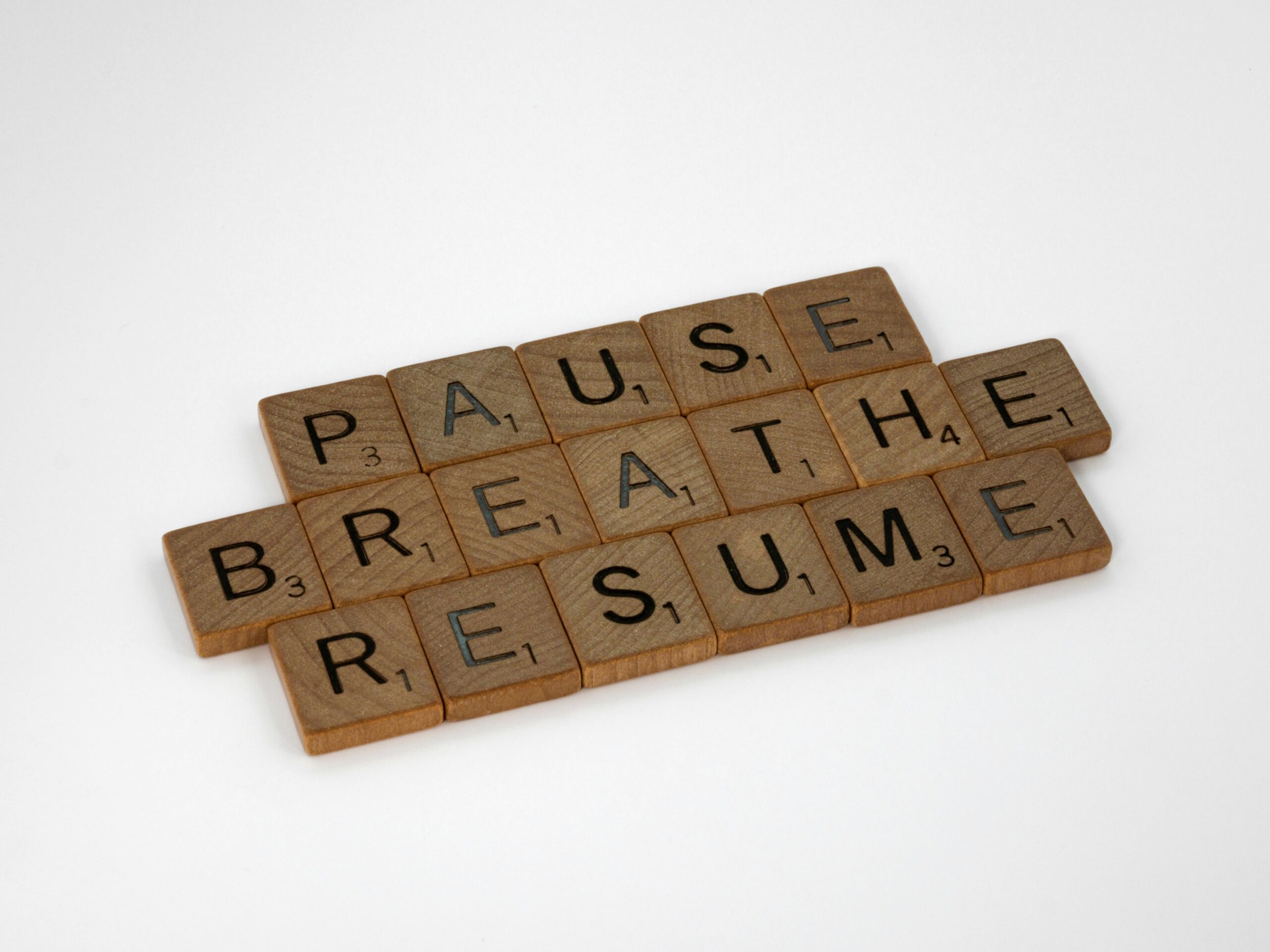
Trauma leaves invisible scars that meditation can gently help heal, offering survivors a powerful tool to reclaim peace and restore emotional balance.

🧘♀️ Understanding the Deep Connection Between Trauma and the Mind-Body System
Trauma isn’t just a psychological experience—it fundamentally alters how our brain and body function together. When someone experiences a traumatic event, whether it’s childhood abuse, a violent assault, a natural disaster, or prolonged emotional neglect, their nervous system becomes dysregulated. This dysregulation means the body remains in a perpetual state of alert, constantly scanning for danger even when safety has been restored.
The amygdala, our brain’s alarm system, becomes hyperactive in trauma survivors. Meanwhile, the prefrontal cortex, responsible for rational thinking and emotional regulation, shows decreased activity. This neurological imbalance explains why trauma survivors often experience flashbacks, hypervigilance, emotional numbness, or sudden panic attacks that seem to come from nowhere.
What makes trauma particularly challenging is its tendency to store itself in the body. Bessel van der Kolk, renowned trauma researcher, famously wrote that “the body keeps the score.” Physical symptoms like chronic pain, digestive issues, tension headaches, and fatigue frequently accompany psychological trauma symptoms, creating a complex web of suffering that traditional talk therapy alone may not fully address.
Why Meditation Offers Unique Benefits for Trauma Healing
Meditation provides something uniquely valuable for trauma recovery: a safe, controlled environment to observe internal experiences without being overwhelmed by them. Unlike exposure therapy that requires confronting traumatic memories directly, meditation builds the capacity to be present with difficult sensations gradually and at a pace the survivor can manage.
The practice strengthens the connection between the prefrontal cortex and the amygdala, essentially helping to rebuild the brain’s emotional regulation circuitry. Regular meditation has been shown to decrease amygdala reactivity while increasing prefrontal cortex activation—exactly the neurological shift trauma survivors need.
Furthermore, meditation activates the parasympathetic nervous system, which controls the body’s rest-and-digest response. For people whose sympathetic nervous system (fight-or-flight) has been stuck in overdrive due to trauma, this activation is profoundly healing. It sends a biological message to the body: “You are safe now.”
The Science Behind Meditation and Trauma Recovery 🧠
Research consistently demonstrates meditation’s effectiveness for trauma-related conditions. Studies on mindfulness-based interventions show significant reductions in PTSD symptoms, with some research indicating improvements comparable to traditional therapeutic approaches. Neuroimaging studies reveal that just eight weeks of regular meditation practice can produce measurable changes in brain regions associated with memory, sense of self, empathy, and stress regulation.
One particularly compelling study published in the Journal of Traumatic Stress found that participants who engaged in mindfulness meditation showed a 73% reduction in trauma symptoms after just 16 weeks. Another research project with military veterans demonstrated that meditation combined with conventional treatment produced better outcomes than conventional treatment alone.
Essential Meditation Practices for Trauma Survivors
Not all meditation approaches work equally well for trauma recovery. Some traditional techniques, particularly those emphasizing prolonged silence or closed-eye practice, can actually be triggering for trauma survivors. The key is finding trauma-informed approaches that prioritize safety and choice.
Grounding and Body Scan Meditation 🌱
Grounding techniques help trauma survivors reconnect with the present moment and their physical body in a safe way. A trauma-informed body scan differs from traditional versions by giving practitioners permission to skip areas that feel uncomfortable and emphasizing external awareness alongside internal sensation.
Begin by noticing your points of contact with the surface beneath you. Feel your feet on the floor, your body on the chair. Notice sounds in the room. Then gently bring attention to parts of your body that feel neutral or pleasant—perhaps your hands or feet. Move slowly, always maintaining the option to redirect attention elsewhere if discomfort arises.
Breath Awareness with Modifications
Breath-focused meditation is powerful for trauma recovery, but it requires careful adaptation. Some trauma survivors find focusing on breath triggering, as breathing difficulties often accompany panic or traumatic events. The solution is offering choice and flexibility.
Rather than forcing attention to the breath, try noticing where breath feels most comfortable to observe—perhaps the gentle rise and fall of the belly, the coolness at the nostrils, or simply the knowledge that breathing is happening. Always maintain the option to shift focus to sounds, physical sensations, or visual awareness if breath becomes uncomfortable.
Loving-Kindness Meditation for Self-Compassion 💚
Trauma often creates profound shame and self-blame. Loving-kindness meditation (metta) helps counteract these patterns by cultivating compassion, first for oneself and then extending outward. For trauma survivors, this practice should begin very gently, as self-directed kindness can initially feel foreign or even triggering.
Start with phrases like “May I be safe,” “May I be peaceful,” or “May I be kind to myself.” If directing kindness toward yourself feels too difficult, begin by directing it toward someone who makes you feel safe, then gradually include yourself. There’s no rush—healing happens in its own time.
Creating a Trauma-Informed Meditation Practice
The way you approach meditation matters as much as the technique itself. Trauma-informed practice emphasizes several key principles that make meditation safe and healing rather than potentially retraumatizing.
Prioritizing Choice and Control ✨
Trauma fundamentally involves a loss of control and agency. Healing meditation practices restore this by emphasizing choice at every step. Keep your eyes open or closed—your choice. Sit, stand, or lie down—your choice. Practice for two minutes or twenty—your choice. This consistent message of empowerment helps rebuild the sense of agency trauma erodes.
Establishing External and Internal Safety
Create a physically safe environment for practice. Choose a quiet space where you won’t be interrupted. Consider what makes you feel secure—perhaps sitting with your back to a wall, having a window you can see, or keeping a comforting object nearby. Internal safety comes from knowing you can stop the practice anytime without judgment.
Starting Small and Building Gradually
There’s no prize for meditating longer or pushing through discomfort. For trauma survivors, brief practices repeated regularly often work better than long sessions. Start with just two to three minutes. As your nervous system learns that meditation is safe, you can naturally extend the duration. Progress isn’t linear—some days will feel easier than others, and that’s perfectly normal.
Navigating Common Challenges in Trauma-Focused Meditation 🛤️
Even with trauma-informed approaches, challenges arise. Understanding these difficulties and having strategies to address them makes the journey smoother.
When Emotions Surface Unexpectedly
Meditation can sometimes open emotional floodgates. If overwhelming feelings arise, remember you can always open your eyes, move your body, or redirect attention to external sounds. Grounding techniques—like naming five things you see, four you can touch, three you hear, two you smell, and one you taste—can help restore equilibrium quickly.
Dealing with Dissociation
Some trauma survivors experience dissociation during meditation—a feeling of being disconnected from their body or surroundings. If this happens, gently reorient to the present by engaging your senses: touch something with texture, listen to sounds, move your body slightly. Eyes-open meditation with a soft focus on an object can help prevent dissociation.
Managing Intrusive Thoughts and Memories
Traumatic memories may surface during practice. Rather than trying to suppress them or diving deeply into them, practice acknowledging their presence without engaging: “There’s that memory” or “I notice that thought.” Then gently guide attention back to your chosen anchor—breath, sounds, or body sensations. You’re not avoiding the memory; you’re choosing when and how to engage with it.
Integrating Meditation into Comprehensive Trauma Treatment
While meditation is powerful, it works best as part of a comprehensive approach to trauma recovery. It complements rather than replaces professional therapeutic support.
Meditation and Trauma-Focused Therapy
Evidence-based trauma therapies like EMDR (Eye Movement Desensitization and Reprocessing), CPT (Cognitive Processing Therapy), and Somatic Experiencing all benefit from a meditation practice. Meditation builds the distress tolerance and emotional regulation skills that make trauma processing work more effective and less overwhelming.
Many therapists now incorporate mindfulness techniques directly into trauma treatment. Discuss your meditation practice with your therapist—they can help you adapt techniques to support your specific healing process and alert you to potential challenges based on your unique trauma history.
Combining Meditation with Movement Practices 🏃♀️
Movement-based practices like trauma-sensitive yoga, tai chi, or qigong pair beautifully with seated meditation. These practices help release trauma stored in the body while building the same mindful awareness that meditation cultivates. The combination addresses both the psychological and somatic dimensions of trauma healing.
Building a Sustainable Long-Term Practice 🌿
The benefits of meditation for trauma recovery accumulate over time. Creating a sustainable practice means finding an approach that fits your life and adapts as your needs change.
Establishing a Flexible Routine
Consistency matters more than duration. Rather than aiming for perfect daily practice, create a flexible framework. Perhaps you meditate for five minutes most mornings, with the understanding that some days you might skip it and other days extend it. This flexibility prevents meditation from becoming another source of pressure or shame.
Finding Community and Support
While meditation is often a solitary practice, having support enhances commitment and provides valuable perspective. Consider joining a trauma-sensitive meditation group, working with a meditation teacher experienced in trauma, or connecting with others in recovery who practice meditation. Sharing experiences normalizes challenges and celebrates progress.
Tracking Progress Mindfully 📊
Notice changes without becoming obsessed with them. You might keep a simple journal noting how you feel before and after practice, or track sleep quality, emotional regulation, or frequency of trauma symptoms over time. This data can be encouraging during difficult periods when progress feels invisible.
Transforming Pain into Growth: Post-Traumatic Growth Through Meditation
While we often discuss trauma recovery as returning to a previous baseline, many survivors discover something more profound: post-traumatic growth. This concept describes positive psychological changes that can emerge from struggling with highly challenging life circumstances.
Meditation facilitates post-traumatic growth by creating space for new perspectives to emerge. Through regular practice, many trauma survivors report increased appreciation for life, stronger relationships, greater personal strength, recognition of new possibilities, and deeper spiritual development. These aren’t silver linings that justify trauma—rather, they’re evidence of the human capacity for resilience and transformation.
From Victim to Survivor to Thriver 💪
The language of trauma recovery often progresses from “victim” to “survivor,” but meditation practice can support an even fuller identity: that of someone who thrives. Thriving doesn’t mean the trauma didn’t happen or doesn’t matter—it means building a rich, meaningful life that extends beyond trauma’s shadow.
Meditation supports this evolution by helping you recognize that while trauma is part of your story, it isn’t your entire story. You become the author rather than a character written by traumatic events, choosing which chapters receive attention and energy.
Healing Hearts, One Breath at a Time 💫
The journey from trauma to healing is neither linear nor quick. It requires patience, compassion, and courage. Meditation offers a gentle, powerful tool for this journey—one that respects your pace, honors your experience, and supports your innate capacity for healing.
Remember that healing isn’t about erasing what happened or returning to who you were before. It’s about integrating your experiences, reclaiming your sense of safety, and discovering who you’re becoming. Each moment you spend in meditation is an act of profound self-care, a message to your nervous system that peace is possible, and a step toward the life you deserve.
Start where you are. Begin with a single conscious breath. Notice one sensation without judgment. Offer yourself one moment of kindness. These small acts accumulate into transformation. Your heart has been wounded, but it also possesses remarkable capacity to heal. Meditation simply creates the conditions for that natural healing to unfold.
Whether you’re early in your recovery journey or years into healing work, whether your trauma is recent or decades old, meditation meets you where you are and supports you in moving forward. The power to heal has always been within you—meditation simply helps you access it.