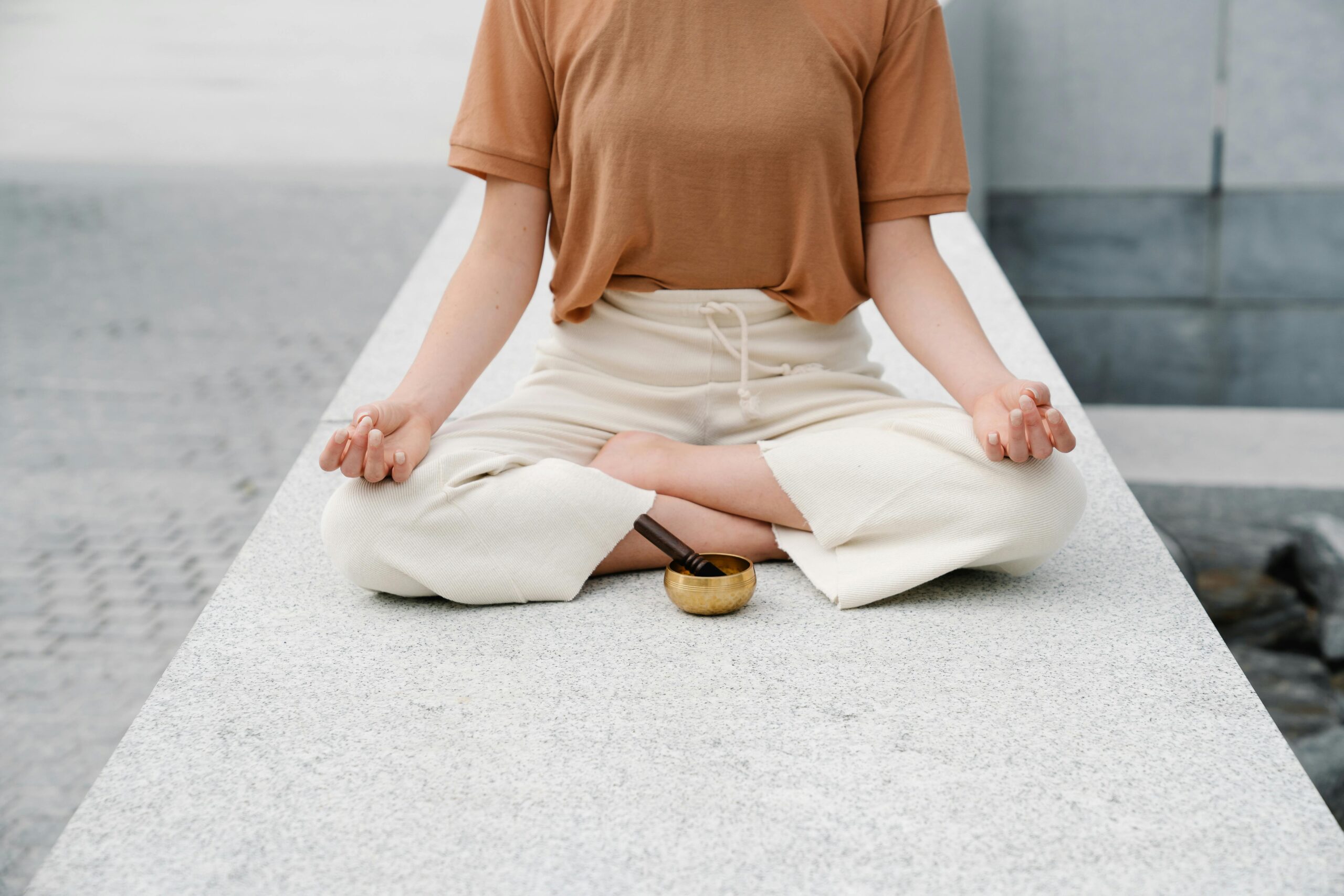
Mindfulness isn’t just a trend—it’s a transformative practice that can reshape your relationship with stress, anxiety, and daily challenges into opportunities for growth and peace.

🧘 Understanding Mindfulness Beyond the Buzzword
In today’s fast-paced world, mindfulness has become a popular concept, yet many people still struggle to understand what it truly means. At its core, mindfulness is the practice of bringing complete attention to the present moment without judgment. It’s about observing your thoughts, feelings, and sensations as they occur, rather than getting swept away by them or dwelling on past regrets and future worries.
The roots of mindfulness stretch back thousands of years to Buddhist meditation practices, but modern science has validated its profound benefits for mental and physical health. Research shows that regular mindfulness practice can reduce stress hormones, lower blood pressure, improve immune function, and even change the structure of your brain in positive ways.
What makes mindfulness so powerful is its accessibility. You don’t need special equipment, a gym membership, or hours of free time. Mindfulness can be practiced anywhere, anytime—while washing dishes, walking to work, or waiting in line. It’s not about adding more to your already full plate; it’s about changing how you experience what’s already there.
The Science Behind Mindfulness and Mental Well-being
Neuroscience has provided compelling evidence for mindfulness’s impact on the brain. Studies using brain imaging technology reveal that consistent mindfulness practice increases gray matter density in regions associated with learning, memory, emotional regulation, and perspective-taking. Meanwhile, it decreases activity in the amygdala, the brain’s alarm system responsible for stress and anxiety responses.
Harvard researchers found that just eight weeks of mindfulness meditation can lead to measurable changes in brain regions associated with memory, sense of self, empathy, and stress. Participants showed decreased activity in areas linked to worry and anxiety, while showing increased connectivity in regions responsible for attention and concentration.
Beyond brain structure, mindfulness affects our body’s stress response system. When we practice mindfulness regularly, we essentially train our nervous system to respond more calmly to stressors. This doesn’t mean challenges disappear, but rather that we develop greater resilience and the ability to navigate difficulties with more grace and less reactivity.
💪 Building Your Foundation: Essential Mindfulness Techniques for Beginners
Starting a mindfulness practice doesn’t require perfection—it requires patience and consistency. The most fundamental technique is breath awareness, which serves as an anchor to the present moment. Simply notice the natural rhythm of your breathing without trying to control it. When your mind wanders (and it will), gently guide your attention back to the breath without self-criticism.
Body scan meditation is another powerful foundational practice. Lying down or sitting comfortably, systematically bring attention to different parts of your body, from your toes to the crown of your head. This practice cultivates body awareness and helps release physical tension you might not even realize you’re carrying.
Mindful observation involves choosing an object—a flower, a piece of fruit, or even your coffee cup—and observing it with complete attention as if seeing it for the first time. Notice colors, textures, shapes, and any thoughts or feelings that arise. This simple exercise trains your brain to engage fully with the present moment rather than operating on autopilot.
Creating Your Personal Practice Schedule
Consistency matters more than duration when establishing a mindfulness routine. Starting with just five minutes daily is far more beneficial than attempting hour-long sessions that you can’t maintain. Choose a specific time that fits naturally into your existing routine—perhaps right after waking up, during your lunch break, or before bed.
Many practitioners find success with “habit stacking,” where you attach your new mindfulness practice to an existing habit. For example, practice three mindful breaths after brushing your teeth, or do a one-minute body scan while your morning coffee brews. These small moments accumulate into significant benefits over time.
🌅 Morning Mindfulness: Setting the Tone for Your Day
How you begin your morning significantly influences the entire day ahead. Before reaching for your phone or jumping into your to-do list, dedicate the first few minutes after waking to mindfulness. This creates a buffer between sleep and the demands of the day, allowing you to start from a place of centeredness rather than reactivity.
A simple morning mindfulness routine might include stretching mindfully while still in bed, noticing the sensations in your body as it transitions from sleep to wakefulness. Follow this with five minutes of sitting meditation or breathing exercises. Even brushing your teeth can become a mindfulness practice when you fully engage with the sensations, movements, and sounds involved.
Consider setting an intention for the day—not a rigid plan, but a quality or value you want to embody. This might be patience, curiosity, compassion, or presence. Throughout the day, you can return to this intention as a guiding principle when faced with challenges or decisions.
Mindfulness in Motion: Integrating Awareness into Daily Activities
One of mindfulness’s greatest strengths is its portability. Every daily activity offers an opportunity for practice. Walking, for instance, becomes mindful walking when you shift attention to the sensation of your feet touching the ground, the movement of your legs, the air against your skin, and the sights and sounds around you.
Eating mindfully transforms one of our most routine activities into a rich sensory experience. Before taking the first bite, pause to notice the colors, aromas, and presentation of your food. Chew slowly, savoring flavors and textures. Put down your fork between bites. This not only enhances enjoyment but also improves digestion and helps with healthy eating habits.
Even household chores become opportunities for presence. Washing dishes with full attention to the warm water, the slippery soap, the circular motions of cleaning—these mundane tasks become meditative when approached mindfully. This transforms obligations into opportunities for peace and presence.
Workplace Mindfulness Strategies
The workplace presents unique challenges and opportunities for mindfulness practice. Between meetings, take three conscious breaths. Before checking email, pause for a moment of awareness. When stress rises during a difficult conversation or deadline, notice physical sensations without immediately reacting.
Create mindful transitions between tasks rather than rushing from one thing to the next. Even a 30-second pause to reset your attention can improve focus and reduce the mental fatigue that comes from constant task-switching. Some professionals set hourly reminders to check in with their breath and posture.
🌙 Evening Wind-Down: Using Mindfulness for Better Sleep
Quality sleep is foundational to health and happiness, yet many people struggle with racing thoughts at bedtime. An evening mindfulness routine can signal to your body and mind that it’s time to transition from doing to being, from activity to rest.
Begin your wind-down routine about an hour before bed. Dim the lights, put away electronic devices, and engage in calming activities. A body scan meditation performed while lying in bed can release accumulated tension from the day. Progressive muscle relaxation—tensing and then releasing muscle groups systematically—also promotes physical and mental relaxation.
Gratitude practice pairs beautifully with evening mindfulness. Reflect on three specific moments from your day that you’re grateful for, no matter how small. This shifts your mind away from worries and toward positive experiences, creating a more peaceful mental state conducive to sleep.
Overcoming Common Obstacles in Mindfulness Practice
Every practitioner encounters challenges. The most common complaint is “I can’t stop my thoughts.” This misunderstanding trips up many beginners. Mindfulness isn’t about stopping thoughts—that’s impossible and not the goal. Instead, it’s about changing your relationship with thoughts, observing them without getting entangled in their stories.
When you notice your mind has wandered during practice, that moment of awareness is actually the practice working. You’re training the muscle of attention. Gently return focus to your chosen anchor—breath, body sensations, or sounds—without self-judgment. Each time you do this, you strengthen your mindfulness capacity.
Finding time is another common barrier. Remember that mindfulness doesn’t require finding extra time—it requires bringing awareness to time you’re already spending. Five mindful minutes have more value than 30 distracted minutes. Start smaller than feels necessary. Consistency builds the habit, and the habit creates the space for longer practices naturally.
Dealing with Difficult Emotions
Mindfulness isn’t always comfortable. Sometimes when we slow down and tune in, we encounter emotions we’ve been avoiding—sadness, anger, fear, or grief. This is actually a sign of progress, not failure. These emotions were always present; mindfulness simply makes us aware of them.
Approach difficult emotions with curiosity rather than resistance. Where do you feel them in your body? What’s their texture or temperature? Often, when we stop fighting uncomfortable feelings and simply allow them to be present, they naturally shift and change. Emotions are like weather patterns—they arise, peak, and pass when given space.
🌟 Deepening Your Practice: Advanced Integration Techniques
As your practice matures, you might explore more nuanced applications of mindfulness. Loving-kindness meditation extends mindfulness to include cultivation of compassion—for yourself, loved ones, neutral people, difficult people, and eventually all beings. This practice counters negative self-talk and strengthens empathy.
Mindful communication transforms relationships. Before speaking, pause to notice your intention. While listening, give complete attention without planning your response. Notice when you’re truly hearing someone versus waiting for your turn to talk. This quality of presence is one of the greatest gifts you can offer another person.
Values clarification through mindfulness helps align your daily actions with what matters most to you. Regular check-ins asking “What’s truly important to me?” and “Are my choices reflecting my values?” create intentionality in life rather than reactive drift through circumstances.
Measuring Progress Without Obsession
Unlike many pursuits, mindfulness progress isn’t always linear or obvious. You might not feel dramatically different after each session, yet over weeks and months, you’ll notice subtle shifts—responding rather than reacting to stress, catching negative thought patterns earlier, experiencing moments of genuine peace, or simply feeling more present in your own life.
Keep a simple mindfulness journal noting when you practiced and any observations. Over time, patterns emerge. You might notice that days when you practice begin more smoothly, or that you handle challenges more skillfully. These gentle observations provide motivation without creating pressure.
The ultimate measure of mindfulness isn’t how well you meditate in ideal conditions—it’s how present, compassionate, and responsive you become in ordinary moments and difficult circumstances. When you notice yourself pausing before reacting, or feeling genuine gratitude for simple pleasures, you’re experiencing the fruits of practice.
✨ Creating a Sustainable Lifelong Practice
Mindfulness is not a destination but a continuous journey. There will be periods of consistent practice and times when life intervenes and your routine falters. This is normal and human. What matters is returning to practice without self-judgment when you realize you’ve drifted away.
Community support strengthens commitment. Consider joining a meditation group, taking a mindfulness-based stress reduction course, or finding an accountability partner. Practicing with others provides encouragement, shared wisdom, and the reminder that everyone struggles sometimes—you’re not alone in the challenges.
Regularly refresh your practice to prevent it from becoming mechanical. Try new techniques, explore different teachers or apps, attend retreats when possible, or simply change where or when you practice. Variety keeps mindfulness alive and engaging rather than becoming another routine you perform on autopilot.
The Ripple Effect: How Your Practice Benefits Others
Your personal mindfulness practice doesn’t exist in isolation—it radiates outward affecting everyone you encounter. As you become less reactive and more present, your relationships naturally improve. People feel truly heard when you offer genuine attention. Your calmness in stressful situations helps others regulate their own nervous systems.
Children especially benefit from being around mindful adults. You model healthy emotional regulation, present-moment awareness, and the ability to respond thoughtfully rather than react impulsively. These are invaluable life skills that can’t be taught through words alone—they’re caught through consistent example.
At a broader level, mindfulness contributes to a more compassionate society. When enough individuals cultivate inner peace and awareness, collective consciousness shifts. Each person who practices mindfulness becomes a source of stability and wisdom in an often chaotic world.

Your Journey Starts Now, Not Someday
The perfect time to begin your mindfulness practice doesn’t exist. There will always be reasons to postpone—too busy, too stressed, too many other priorities. Yet these are precisely the conditions that make mindfulness most valuable. You don’t need to wait for ideal circumstances; you need to work skillfully with the circumstances you have.
Remember that mindfulness is ultimately about befriending yourself and your experience exactly as it is. This radical acceptance doesn’t mean passive resignation to suffering—it means clearly seeing reality so you can respond with wisdom rather than react from fear or habit. Over time, this shift in perspective transforms not just isolated moments but the entire quality of your life.
Take the first small step today. Set a timer for five minutes and simply breathe. Notice what you notice. Return when you wander. This simple act, repeated consistently, has the power to change everything. Your happier, healthier life isn’t somewhere in the distant future—it’s available in each conscious, present moment. The question is simply: will you choose to show up for it?