Deep within each of us lies an untapped reservoir of strength, clarity, and peace. Learning to access this inner power transforms how we experience life, relationships, and ourselves.

🌟 The Foundation: Understanding Inner Power
Inner power isn’t about controlling others or manipulating circumstances. Rather, it represents our capacity to remain centered, conscious, and intentional regardless of external conditions. This fundamental strength emerges when we develop two essential skills: inner observation and detachment.
Most people move through life on autopilot, reacting unconsciously to triggers, emotions, and external events. This reactive state keeps us imprisoned in repetitive patterns, emotional turbulence, and limited perspectives. The key to breaking free lies in cultivating awareness of our internal landscape while simultaneously creating healthy distance from our thoughts and feelings.
Inner observation means watching yourself with curiosity rather than judgment. It’s the practice of noticing your thoughts, emotions, physical sensations, and behavioral patterns as they arise. Detachment, meanwhile, involves recognizing that you are not your thoughts, emotions, or circumstances—you are the awareness experiencing them.
The Observer Within: Awakening Your Witness Consciousness
Every human being possesses what spiritual traditions call “witness consciousness”—the part of you that can observe your own mental and emotional processes without getting entangled in them. This observer represents your truest self, the unchanging awareness that remains constant while everything else fluctuates.
When you activate this witness consciousness, something remarkable happens. You create space between stimulus and response. Instead of immediately reacting when someone criticizes you, for example, you notice the criticism, observe your emotional reaction, and then choose how to respond. This pause contains tremendous power.
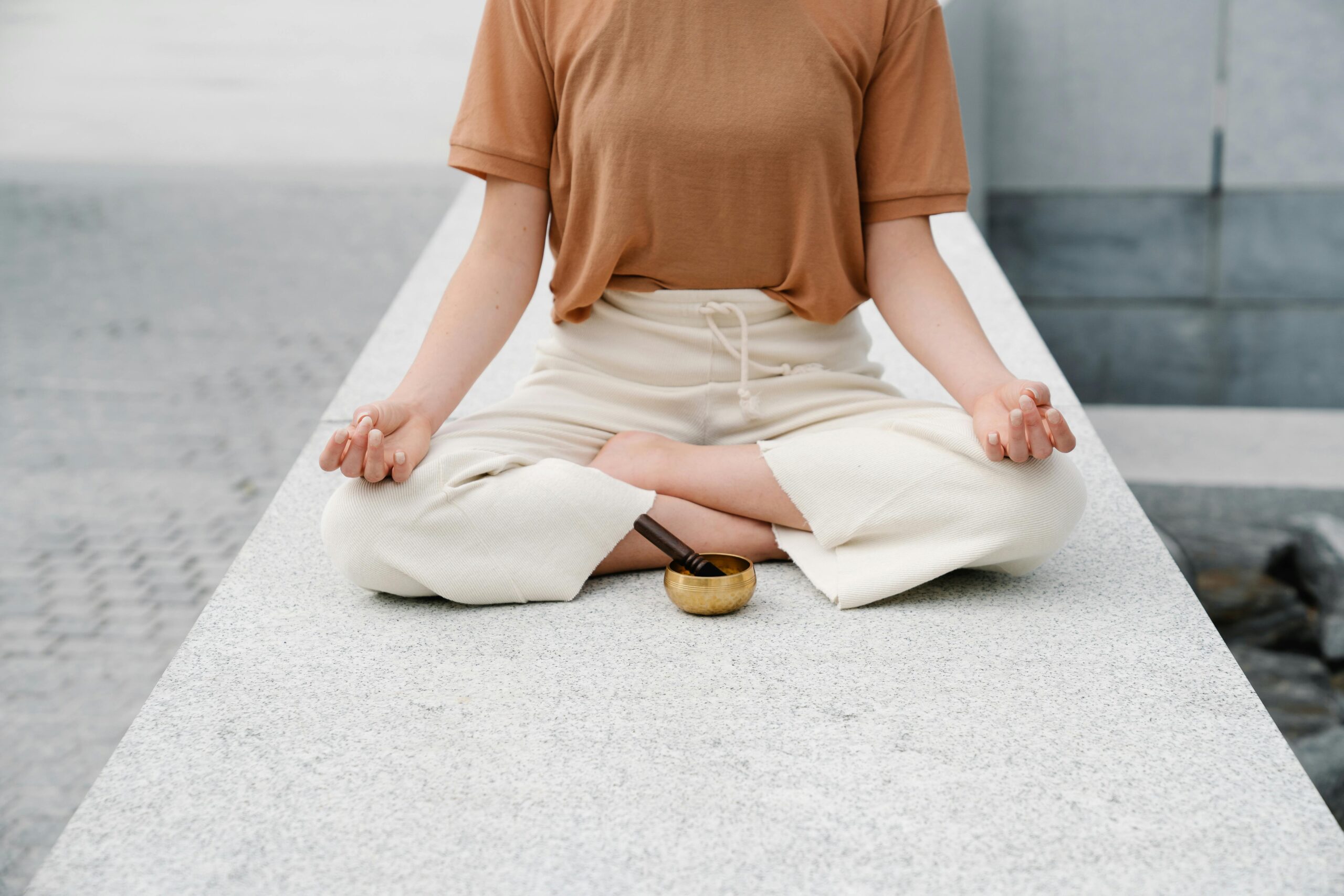
Developing your inner observer requires consistent practice. Start by setting aside just five minutes daily to sit quietly and watch your thoughts pass like clouds across the sky. Don’t try to stop thinking or empty your mind. Simply notice each thought that arises, acknowledge it neutrally, and let it pass without following it down the rabbit hole.
Practical Techniques for Strengthening Your Inner Observer
Building this observational capacity takes time and patience, but several proven techniques can accelerate your progress:
- Mental noting: Silently label your experiences as they occur: “thinking,” “feeling,” “planning,” “worrying.” This simple act creates distance between you and the experience.
- Body scanning: Regularly check in with physical sensations throughout your body, noticing tension, comfort, pain, or ease without trying to change anything.
- Emotion tracking: When emotions arise, pause to identify and name them specifically rather than getting swept away in their intensity.
- Thought journaling: Write down recurring thought patterns you notice, helping you recognize your mind’s habitual grooves.
- Breath awareness: Use your breath as an anchor point, returning attention to it whenever you notice you’ve been lost in thought.
🧘 The Art of Detachment: Freedom Through Non-Attachment
Detachment often gets misunderstood as coldness, indifference, or not caring. Nothing could be further from the truth. Healthy detachment means engaging fully with life while not clinging desperately to specific outcomes or identifying completely with your experiences.
When you’re attached, you believe your happiness depends on particular circumstances, relationships, achievements, or possessions. This attachment creates suffering because everything in life is temporary and constantly changing. Detachment allows you to appreciate and enjoy things fully while they’re present, then release them gracefully when they change or leave.
Consider your relationship with your thoughts. Most people are completely identified with their thinking, believing every thought that crosses their mind represents truth. Through detachment, you recognize thoughts as mental events—sometimes useful, sometimes not, but never the totality of who you are.
Cultivating Healthy Detachment in Daily Life
Detachment isn’t an all-or-nothing state but a skill you develop gradually across different life areas. Here’s how to practice it:
Begin with material possessions. Notice your relationship with objects—do you cling to them as extensions of your identity? Practice appreciating what you have while knowing you could be perfectly okay without it. This doesn’t mean becoming ascetic; it means loosening the psychological grip that creates suffering.
Apply detachment to your opinions and beliefs. Hold your perspectives lightly, remaining open to new information rather than defending your viewpoint as though your identity depends on being right. This intellectual flexibility dramatically reduces conflict and expands your capacity for learning.
Practice detachment in relationships by loving others without needing them to be different than they are. This paradoxically creates deeper intimacy because people feel accepted rather than constantly evaluated against your expectations.
Emotional Freedom: Breaking the Chains of Reactive Patterns
Emotional freedom doesn’t mean never experiencing difficult emotions. Rather, it represents the ability to feel your emotions fully without being controlled by them or using unhealthy strategies to avoid them.
Most emotional suffering comes not from the emotions themselves but from our resistance to feeling them or our identification with them. When you observe emotions with detachment, you discover they’re temporary energy patterns moving through your body and consciousness—intense sometimes, but always passing.
This perspective transforms your relationship with feelings like anger, anxiety, sadness, and fear. Instead of viewing them as problems to fix or enemies to defeat, you recognize them as information and energy that arise for reasons, stay for a while, and naturally dissolve when allowed to complete their cycle.
The Emotional Processing Framework
When difficult emotions arise, use this framework to maintain your observer perspective while allowing full emotional experience:
- Pause and notice: The moment you sense an emotion arising, pause whatever you’re doing and turn attention inward.
- Name it precisely: Identify the specific emotion—not just “bad” but “frustrated,” “disappointed,” “anxious,” or “overwhelmed.”
- Locate it physically: Where do you feel this emotion in your body? Notice sensations, temperature, tension, or movement.
- Breathe with it: Rather than tensing against the feeling, breathe into the physical sensations, creating space for the emotion.
- Stay curious: Ask yourself what this emotion might be telling you or protecting you from without necessarily believing every story your mind creates.
- Allow completion: Let the emotion move through its natural cycle without suppressing, amplifying, or acting impulsively from it.
🎯 Personal Growth Through Self-Awareness
Inner observation and detachment create the perfect conditions for genuine personal growth. When you can clearly see your patterns without harsh judgment, change becomes possible. Self-awareness illuminates what’s working and what isn’t, revealing opportunities for evolution that remain invisible when you’re completely identified with your habitual ways of being.
Personal growth doesn’t happen through harsh self-criticism or forcing yourself to be different. It emerges naturally when awareness shines light on unconscious patterns. Once you truly see a limiting belief or unhelpful behavior with clarity, the pattern begins loosening its grip automatically.
Consider how children learn to walk. They don’t criticize themselves for falling; they simply notice what happened, make adjustments, and try again. Your journey of personal growth benefits from this same gentle, observant approach.
Identifying Your Growth Edges
Your “growth edges” are areas where you feel stuck, reactive, or limited. Inner observation helps you identify these edges with precision:
Notice recurring conflicts in your relationships—these often point to unhealed wounds or unconscious patterns. Pay attention to situations that trigger disproportionate emotional reactions; these reveal where you lack detachment. Observe areas where you resist change or cling desperately; these show attachments creating suffering.
Keep a growth journal where you regularly reflect on these questions: What patterns did I notice in my behavior this week? What emotions arose most frequently? What situations triggered reactive responses? What beliefs about myself or life did I notice operating beneath the surface?
The Neuroscience of Observation and Detachment
Modern neuroscience validates what contemplative traditions have taught for millennia. When you practice inner observation and detachment, you’re literally rewiring your brain, strengthening neural pathways associated with emotional regulation, self-awareness, and cognitive flexibility.
Brain imaging studies show that meditation practices focused on observation activate the prefrontal cortex—the region responsible for executive function, decision-making, and emotional regulation—while reducing activity in the amygdala, the brain’s alarm system associated with stress and reactivity.
Regular practice increases gray matter density in regions associated with self-awareness and compassion. It also strengthens connections between the prefrontal cortex and emotional centers, giving you greater capacity to modulate emotional responses consciously rather than reacting automatically.
These neurological changes explain why consistent practice produces cumulative benefits. You’re not just learning new concepts; you’re fundamentally reshaping the physical structure of your brain to support greater awareness, balance, and freedom.
⚡ Overcoming Common Obstacles
The path of inner observation and detachment, while profoundly rewarding, presents challenges that can derail your practice if you’re not prepared for them.
Many people initially experience increased discomfort when they begin observing themselves more closely. This happens because you’re finally noticing what was always there but previously ignored or suppressed. This discomfort is actually a positive sign—it means your awareness is expanding. Persist through this phase with patience and self-compassion.
Another common obstacle is mistaking detachment for dissociation or emotional numbness. Healthy detachment involves feeling everything fully while maintaining perspective. If you find yourself feeling numb or disconnected, you’ve likely tipped into avoidance rather than genuine detachment. The solution is to reconnect with your body and emotions while maintaining your observer perspective.
When Your Mind Resists the Practice
Your ego—the part of you identified with thoughts, emotions, and stories about yourself—will resist practices that threaten its dominance. This resistance appears as skepticism, boredom, “too busy” excuses, or sudden “more important” priorities whenever you sit down to practice.
Recognize this resistance as a natural part of the process rather than a reason to quit. Your mind has operated in habitual ways for years; it will protect these patterns. Gentle persistence gradually creates new defaults that feel increasingly natural and effortless.
🌱 Integrating Practice Into Daily Life
The real test of inner observation and detachment isn’t how centered you feel during formal practice but how these qualities show up in daily life—during difficult conversations, stressful situations, and emotional challenges.
Create “awareness anchors” throughout your day—specific moments or activities that remind you to check in with your inner observer. This might be every time you wash your hands, wait at traffic lights, or pour coffee. Use these moments to pause, take a conscious breath, and notice your internal state.
Practice “mindful transitions” between activities. Rather than rushing from one task to another on autopilot, pause for thirty seconds between activities to reset, notice your state, and consciously choose your approach to what comes next.
Apply observation and detachment specifically during challenging moments. When someone says something that triggers you, practice pausing to observe your reaction before responding. When anxiety about the future arises, notice the anxious thoughts without immediately believing or acting on them.
The Ripple Effect: How Inner Work Transforms Outer Life
As you develop inner observation and detachment, you’ll notice profound changes rippling through every area of life. Relationships improve because you respond consciously rather than reacting from wounds. Professional effectiveness increases because you make decisions from clarity rather than emotion-driven impulses.
Your capacity for creativity expands because you’re not trapped in rigid thinking patterns. Physical health often improves as chronic stress diminishes. You develop resilience not by becoming hard but by becoming flexible—able to bend with life’s challenges rather than breaking.
Perhaps most significantly, you experience a fundamental shift in your sense of self. Instead of identifying as your anxious thoughts, your painful past, or your uncertain future, you recognize yourself as the spacious awareness in which all experiences arise and pass. This shift brings a profound peace that isn’t dependent on circumstances.

🔑 Your Next Steps on the Journey
Beginning this practice doesn’t require dramatic life changes or hours of daily commitment. Start exactly where you are with whatever time you have. Even five minutes of conscious inner observation daily creates momentum and develops the neural pathways supporting this capacity.
Set a realistic intention for your practice. Perhaps commit to one conscious pause per hour during your workday, or three minutes of meditation each morning, or observing one emotional reaction fully each day without judgment. Small, consistent actions create lasting transformation more effectively than sporadic intense efforts.
Find support for your journey. Consider working with a teacher, joining a meditation group, or connecting with others committed to inner development. These connections provide encouragement, accountability, and perspective when challenges arise.
Remember that this journey isn’t about reaching some perfect state of perpetual calm or transcendence. It’s about gradually expanding your capacity to remain conscious and free regardless of what life presents. Every moment you remember to observe yourself with detachment strengthens this capacity, creating cumulative benefits that transform your experience of being human.
Your inner power awaits discovery not in some distant future but in this very moment, accessible through the simple yet profound act of turning attention inward with curiosity and compassion. The journey of a thousand miles truly does begin with a single conscious breath, a single observed thought, a single moment of witnessing yourself with kindness rather than judgment.
This practice offers perhaps the most valuable gift available—the freedom to be fully yourself, responding to life from wholeness rather than reacting from fragmentation. Begin today, continue tomorrow, and watch as your inner and outer worlds gradually transform through the alchemy of awareness.