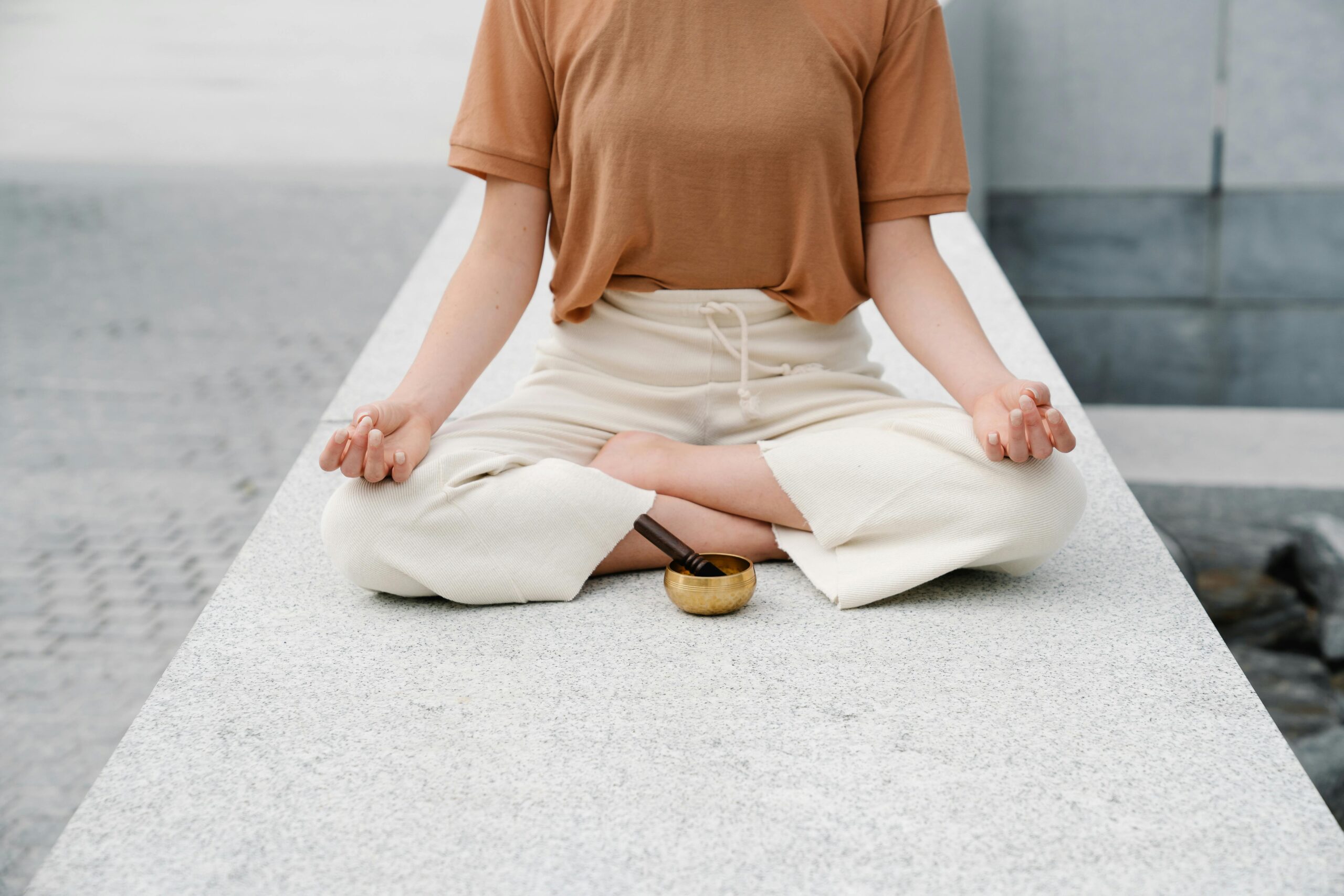
Meditation has transformed from an ancient spiritual practice into a scientifically validated tool for reshaping our brain’s architecture and enhancing mental well-being.

🧠 The Neuroscience Behind Meditation: Why Your Brain Craves Stillness
When we sit in meditation, we’re not simply relaxing—we’re actively rewiring our neural pathways. Modern neuroscience has revealed that meditation creates measurable changes in brain structure and function, a phenomenon known as neuroplasticity. Research using functional MRI scans demonstrates that regular meditation practice strengthens connections between brain regions responsible for attention, emotional regulation, and self-awareness.
The prefrontal cortex, our brain’s executive control center, shows increased thickness in long-term meditators. Meanwhile, the amygdala—the alarm system responsible for stress and fear responses—actually shrinks with consistent practice. This isn’t metaphorical transformation; it’s physical restructuring of neural tissue that happens through repeated mental training.
Scientists at Harvard Medical School discovered that just eight weeks of meditation practice can produce measurable changes in brain regions associated with memory, sense of self, empathy, and stress. These findings have revolutionized how we understand the mind-body connection and opened new pathways for treating anxiety, depression, and cognitive decline.
Mindfulness Meditation: The Gateway Practice for Neural Transformation
Mindfulness meditation forms the foundation of modern meditation practice in Western contexts. This technique involves paying attention to present-moment experiences without judgment, typically by focusing on breath, bodily sensations, or ambient sounds. The simplicity of mindfulness belies its profound impact on neural connections.
When practicing mindfulness, you strengthen the anterior cingulate cortex, which plays a crucial role in self-regulation and learning from experience. This brain region acts as a bridge between emotion and cognition, helping you respond thoughtfully rather than react impulsively to life’s challenges.
Research published in Psychiatry Research: Neuroimaging shows that mindfulness meditation increases gray matter density in the hippocampus, critical for learning and memory. Simultaneously, it decreases gray matter in the amygdala, reducing stress reactivity and enhancing emotional resilience.
The practice works by training your attention muscle. Each time your mind wanders and you gently bring it back to your focal point, you’re strengthening neural pathways associated with executive attention. Over time, this creates a more focused, calm, and responsive mind that serves you in all aspects of daily life.
How to Practice Mindfulness Meditation Effectively
Begin with just five minutes daily. Find a quiet space where you won’t be disturbed, sit comfortably with your spine upright, and close your eyes. Focus your attention on the natural rhythm of your breath—the sensation of air entering and leaving your nostrils, the rise and fall of your chest or belly.
When thoughts arise (and they will), simply notice them without criticism and return your focus to the breath. This noticing-and-returning pattern is the actual practice that rewires your brain. Consistency matters more than duration, so prioritize daily practice over lengthy but sporadic sessions.
🔮 Transcendental Meditation: Accessing Deeper States of Consciousness
Transcendental Meditation (TM) differs fundamentally from mindfulness approaches. Rather than cultivating present-moment awareness, TM uses a personalized mantra—a specific sound or phrase—to help the mind transcend active thinking and enter a state of restful alertness.
Practitioners typically meditate for twenty minutes twice daily, repeating their mantra silently. The technique allows thoughts to settle naturally rather than attempting to control or observe them. This effortless approach appeals to those who find concentration-based methods challenging or exhausting.
Neurologically, TM produces a unique state characterized by coherent brain wave patterns. EEG studies reveal increased alpha wave activity across all brain regions, indicating deep relaxation while maintaining alertness. This coherence represents synchronized communication between different brain areas, potentially enhancing overall cognitive function.
Research from the American Heart Association suggests that TM may reduce blood pressure and cardiovascular disease risk. The practice activates the parasympathetic nervous system, counteracting chronic stress responses that damage both brain and body over time. Studies also show improvements in anxiety, post-traumatic stress symptoms, and overall psychological well-being.
Loving-Kindness Meditation: Rewiring the Social Brain
Loving-kindness meditation (Metta) cultivates feelings of warmth and care toward yourself and others. This practice involves silently repeating phrases like “May I be happy, may I be healthy, may I live with ease,” then extending these wishes to loved ones, neutral people, difficult individuals, and eventually all beings.
This meditation type uniquely impacts the brain’s social and emotional circuits. fMRI studies show that loving-kindness practice activates brain regions involved in empathy, including the insula and anterior cingulate cortex. It also strengthens connections between the prefrontal cortex and emotional centers, enhancing emotional regulation capacity.
Perhaps most remarkably, loving-kindness meditation increases positive emotions in daily life, creating an upward spiral of well-being. Research by Barbara Fredrickson at the University of North Carolina demonstrated that even brief loving-kindness practice produces measurable increases in joy, gratitude, contentment, and hope.
The neural benefits extend to physical health as well. Studies indicate that loving-kindness meditation may slow cellular aging by preserving telomere length and reduce inflammation markers associated with chronic disease. By literally changing how your brain processes social connections and self-perception, this practice offers both mental and physical healing.
Implementing Loving-Kindness in Your Practice 💚
Start by finding a comfortable position and taking several deep breaths. Bring to mind someone who naturally makes you smile—perhaps a child, beloved pet, or dear friend. Allow feelings of warmth to arise naturally, then silently offer them well-wishes using traditional phrases or your own words.
Gradually expand your circle of compassion to include yourself, family members, acquaintances, challenging people, and ultimately all living beings. If you encounter resistance when directing kindness toward yourself or difficult individuals, simply acknowledge it without judgment and return to someone easier.
⚡ Movement Meditation: The Body-Brain Connection
Not all meditation happens in stillness. Movement-based practices like walking meditation, yoga, tai chi, and qigong cultivate mindful awareness through physical activity. These approaches particularly benefit people who struggle with seated meditation or who process experiences kinesthetically.
Walking meditation involves moving slowly and deliberately while maintaining full awareness of each step’s sensations. This practice engages the cerebellum and motor cortex while simultaneously activating attention networks, creating integrated whole-brain activation patterns that differ from seated practices.
Yoga combines physical postures, breath control, and meditation, creating multiple neural benefits simultaneously. Research shows yoga increases GABA levels in the brain, a neurotransmitter that reduces anxiety and promotes calm. Regular practice also enhances body awareness by strengthening connections between the insula and other brain regions involved in interoception.
Tai chi and qigong, ancient Chinese movement practices, demonstrate remarkable impacts on cognitive function in aging populations. Studies indicate these practices may prevent or slow age-related brain atrophy, improve executive function, and enhance memory. The combination of coordinated movement, breath awareness, and mental focus creates a powerful recipe for neural health.
Visualization and Guided Meditation: Harnessing Imagination for Neural Change
Visualization meditation uses mental imagery to achieve specific outcomes—relaxation, healing, confidence, or goal achievement. Guided meditations typically involve listening to verbal instructions that lead you through imagined scenarios, from peaceful nature settings to personal transformation journeys.
The brain doesn’t distinguish sharply between vividly imagined and actual experiences. When you visualize successfully completing a challenging task, similar neural networks activate as during actual performance. Athletes have long used this principle to enhance physical skills; the same mechanism applies to emotional and cognitive development.
Visualization practices particularly strengthen connections within the default mode network, brain regions active during imagination, memory, and self-referential thinking. By repeatedly visualizing desired states or outcomes, you create neural pathways that make those experiences more accessible in reality.
Guided meditations offer accessibility for beginners who find unstructured practice intimidating. The verbal guidance provides an external anchor for attention, reducing the initial difficulty of self-directed practice. As skills develop, practitioners can transition to less structured approaches or continue enjoying the supported experience.
🎯 Focused Attention Meditation: Sharpening the Mind’s Precision
Focused attention meditation involves sustaining concentration on a single object—breath, candle flame, sound, or mantra. Unlike mindfulness meditation’s broad awareness, this approach trains laser-like concentration, systematically strengthening neural networks responsible for sustained attention.
This practice particularly enhances the dorsolateral prefrontal cortex and parietal cortex, regions critical for executive attention and working memory. Research demonstrates that even short periods of focused attention training produce measurable improvements in concentration, cognitive flexibility, and resistance to distraction.
In our age of constant digital interruption, focused attention meditation offers an antidote to scattered awareness. Studies show that regular practitioners develop greater ability to filter irrelevant information and maintain concentration despite environmental distractions—skills increasingly valuable in modern life.
The practice also creates changes in brainwave patterns. As concentration deepens, the brain shifts from beta waves (normal waking consciousness) to alpha and theta waves (relaxed alertness and deep meditation). With extensive practice, some meditators access gamma waves, associated with peak cognitive performance and heightened awareness.
Open Monitoring Meditation: Cultivating Expansive Awareness
Open monitoring meditation involves observing whatever arises in consciousness without focusing on any particular object. Rather than concentrating attention narrowly, you maintain broad, non-reactive awareness of thoughts, sensations, emotions, and perceptions as they appear and dissolve.
This practice develops different neural capacities than focused attention meditation. While focused attention strengthens selective attention networks, open monitoring enhances meta-awareness—your ability to recognize mental processes as they occur. This creates psychological distance from thoughts and emotions, reducing their power to control behavior.
Brain imaging studies show that open monitoring meditation activates the insula and anterior cingulate cortex, regions involved in interoceptive awareness and conflict monitoring. Long-term practitioners demonstrate reduced activation in the default mode network during practice, suggesting decreased self-referential thinking and greater present-moment awareness.
This meditation style particularly benefits people struggling with rumination, anxiety, or rigid thinking patterns. By learning to observe mental content without attachment or aversion, practitioners develop greater psychological flexibility and emotional freedom.
Building Your Personal Meditation Practice: Practical Integration Strategies
Understanding different meditation types is valuable, but consistent practice creates actual neural changes. The most effective approach involves choosing one primary technique that resonates with your temperament and needs, then practicing it daily for at least eight weeks before evaluating results.
Consider these factors when selecting your practice:
- Your personality type: Do you prefer structure or flexibility? Stillness or movement?
- Your goals: Stress reduction? Emotional healing? Concentration enhancement?
- Your schedule: Can you dedicate specific times daily or need flexibility?
- Your physical comfort: Does sitting still feel natural or challenging?
Start small—five to ten minutes daily proves more beneficial than sporadic longer sessions. Morning practice often works best, establishing a calm foundation before daily demands arise. Create a dedicated space that signals your brain it’s meditation time, even if just a particular chair or cushion.
Track your practice without obsessing over it. Simply noting completed sessions helps maintain consistency and allows you to observe patterns over time. Many practitioners report that benefits become apparent after several weeks of regular practice, so patience and persistence matter more than immediate results.
Overcoming Common Obstacles 🚀
Every meditator encounters challenges: restlessness, drowsiness, doubt, distraction, or apparent lack of progress. These experiences are normal, not signs of failure. The key is approaching difficulties with curiosity rather than criticism.
When restlessness arises, try shorter sessions or movement-based practices. For drowsiness, meditate earlier in the day or with eyes partially open. When doubt emerges, remember that questioning is part of the process—trust the science demonstrating meditation’s benefits even when subjective experience seems underwhelming.
If motivation wanes, reconnect with your initial reasons for practicing. Review the research on neuroplasticity and remember you’re literally reshaping your brain with each session. Consider joining a meditation group or using apps that provide community support and accountability.
🌟 The Synergistic Effect: Combining Multiple Meditation Approaches
While establishing consistency with one primary technique is important initially, experienced practitioners often benefit from integrating multiple meditation types. This creates complementary neural changes, much as cross-training in athletics develops comprehensive physical fitness.
You might practice focused attention meditation to develop concentration, then apply that enhanced focus to loving-kindness meditation for emotional development. Or begin with movement meditation to settle restless energy before transitioning to seated mindfulness practice.
The key is intentionality—choosing techniques that address your current needs and development stage. As your practice matures, you’ll develop intuitive sense of which approaches serve you best in different circumstances, creating a flexible repertoire that supports lifelong growth.

Your Brain on Meditation: Long-Term Transformation
While immediate effects like relaxation and calm appear quickly, meditation’s most profound benefits emerge through long-term practice. Studies of experienced meditators reveal extensive neural remodeling that supports enhanced well-being, resilience, and cognitive function throughout life.
Long-term practitioners show preserved brain volume in regions typically affected by aging. Their brains demonstrate enhanced connectivity between regions supporting attention, emotion regulation, and self-awareness. These changes translate into practical benefits: better stress management, improved relationships, greater life satisfaction, and increased sense of purpose.
Perhaps most importantly, meditation cultivates the capacity to access your inner resources regardless of external circumstances. By understanding how different meditation types impact neural connections, you can strategically choose practices that unlock your brain’s inherent potential for growth, healing, and transformation.
The power within isn’t something you need to acquire—it’s already present, waiting to be revealed through practice. Each meditation session represents an investment in your brain’s architecture and your future well-being. The question isn’t whether meditation will change your brain; neuroscience confirms it will. The question is whether you’ll commit to the practice that makes transformation possible.