Deep within your body lies a powerful nerve that can transform your health, mood, and resilience—all accessible through the simple act of breathing.

The vagus nerve, often called the “wandering nerve” due to its extensive reach throughout the body, serves as a vital communication highway between your brain and major organs. This remarkable neural pathway influences everything from heart rate and digestion to immune response and emotional regulation. Understanding how to activate and strengthen this nerve through intentional breathing practices offers a revolutionary approach to optimizing your physical and mental wellbeing.
Modern science has unveiled what ancient traditions have known for centuries: our breath holds extraordinary power over our nervous system. By learning specific breathing techniques that stimulate vagal tone, you can literally rewire your body’s stress response, enhance recovery, improve digestion, boost immunity, and cultivate a profound sense of calm and resilience in your daily life.
🧠 Understanding the Vagus Nerve: Your Body’s Superhighway to Wellness
The vagus nerve represents the longest cranial nerve in your body, extending from your brainstem down through your neck, chest, and abdomen. As the primary component of your parasympathetic nervous system, it functions as the counterbalance to your fight-or-flight stress response, activating what’s commonly known as the “rest and digest” state.
This extensive neural network touches virtually every major organ system, including your heart, lungs, digestive tract, liver, spleen, and kidneys. When functioning optimally, the vagus nerve helps regulate heart rate variability, reduces inflammation, supports healthy digestion, and even influences social bonding and emotional processing through its connection to facial muscles and vocal cords.
Vagal tone refers to the activity level and efficiency of your vagus nerve. Higher vagal tone correlates with greater emotional regulation, reduced anxiety, lower blood pressure, improved digestion, and enhanced overall resilience. Conversely, low vagal tone has been linked to chronic inflammation, depression, digestive disorders, and cardiovascular concerns.
The Science Behind Vagal Activation
Research has demonstrated that vagus nerve stimulation produces measurable changes in brain chemistry and function. When activated, the vagus nerve releases acetylcholine, a neurotransmitter that slows heart rate, reduces blood pressure, and promotes a state of calm alertness. It also triggers the production of anti-inflammatory cytokines that help protect your body from chronic inflammation—a root cause of numerous modern diseases.
The vagus nerve contains approximately 80% sensory fibers that send information from your body to your brain, meaning it primarily tells your brain what’s happening in your organs rather than the reverse. This bottom-up communication creates a powerful opportunity: by changing the signals your body sends through intentional practices like breathing, you can directly influence your brain state and emotional experience.
💨 The Breath-Vagus Connection: Why Breathing Matters
Your respiratory system maintains an intimate relationship with vagal function through a phenomenon called respiratory sinus arrhythmia (RSA). This natural variation in heart rate that occurs with breathing—your heart rate increases slightly during inhalation and decreases during exhalation—is actually mediated by the vagus nerve.
When you breathe slowly and deeply, particularly with extended exhalations, you directly stimulate vagal nerve fibers that run through the diaphragm and lungs. This mechanical stimulation sends powerful signals to your brain that activate the parasympathetic nervous system, creating an immediate shift from stress to relaxation.
The beauty of breath-based vagal activation lies in its accessibility. Unlike many wellness interventions that require special equipment, expertise, or circumstances, your breath is always available. You carry this powerful tool with you everywhere, capable of shifting your physiology within minutes or even seconds.
The Optimal Breathing Pattern for Vagal Activation
Not all breathing patterns equally stimulate the vagus nerve. Research indicates that specific characteristics maximize vagal tone enhancement:
- Slow pace: Breathing at approximately 5-6 breaths per minute activates optimal vagal response
- Diaphragmatic engagement: Deep belly breathing rather than shallow chest breathing
- Extended exhalations: Making your exhale longer than your inhale amplifies parasympathetic activation
- Nasal breathing: Breathing through your nose stimulates additional vagal fibers and optimizes gas exchange
- Smooth transitions: Avoiding rushed or jerky breathing patterns maintains consistent vagal stimulation
🌟 Proven Breathing Techniques for Vagus Nerve Activation
Several time-tested breathing practices specifically target vagal stimulation. Incorporating these techniques into your daily routine can systematically strengthen your vagal tone over time while providing immediate stress relief benefits.
Coherent Breathing: The Foundation Practice
Coherent breathing involves breathing at a rate of five breaths per minute—inhaling for five seconds and exhaling for five seconds. This pattern creates optimal heart rate variability and maximal vagal nerve engagement. Practice this technique for 10-20 minutes daily, sitting comfortably with your spine straight, breathing naturally through your nose.
This simple yet powerful practice has been shown in research to reduce symptoms of depression, lower blood pressure, improve sleep quality, and enhance emotional regulation. The beauty of coherent breathing lies in its simplicity—no complex techniques to master, just consistent rhythmic breathing at the optimal rate.
Extended Exhale Breathing: Amplifying Relaxation Response
To deepen vagal activation, try breathing with an exhale that’s longer than your inhale. A common ratio is 4-7-8 breathing: inhale for 4 counts, hold for 7 counts, and exhale for 8 counts. The extended exhale significantly stimulates the vagus nerve, triggering immediate parasympathetic activation.
This technique proves particularly effective for managing acute stress, preparing for sleep, or recovering from anxiety-provoking situations. The held breath after inhalation allows for optimal oxygen-carbon dioxide exchange, while the long exhale maximizes vagal stimulation.
Resonant Frequency Breathing: Personalizing Your Practice
Your body has a unique resonant frequency—a breathing rate that creates maximum heart rate variability and vagal tone for you specifically. While 5-6 breaths per minute works for most people, your optimal rate might be slightly different. Experiment with breathing rates between 4-7 breaths per minute while monitoring how you feel to discover your personal resonant frequency.
Heart rate variability biofeedback devices and apps can help identify your specific resonant frequency by measuring your heart rate patterns during different breathing rates. Training at your resonant frequency over time creates the most substantial improvements in vagal tone and overall stress resilience.
Humming and Chanting: Adding Vibration to Breath
Creating vocal vibrations while breathing adds another dimension of vagal stimulation. The vibrations from humming, chanting “om,” or simply making a long “voo” sound on your exhale mechanically stimulate vagal nerve fibers in your throat and chest. Ancient traditions have long incorporated these practices, and modern research now confirms their neurophysiological benefits.
Try humming for 5-10 minutes daily, feeling the vibration resonate through your chest and head. This practice combines the benefits of extended exhalation with additional mechanical stimulation for enhanced vagal activation.
📊 Measuring Your Progress: Signs of Improved Vagal Tone
As you consistently practice vagus nerve activation through breath work, you’ll notice both immediate and cumulative effects. Being aware of these indicators helps you track your progress and maintain motivation for continued practice.
Immediate signs during and shortly after practice include:
- Decreased heart rate and blood pressure
- Increased sense of calm and mental clarity
- Reduced muscle tension, particularly in jaw, shoulders, and neck
- Improved digestion and gut feelings
- Enhanced ability to focus and concentrate
- Greater emotional balance and perspective
Long-term improvements with consistent practice include:
- Better stress resilience and faster recovery from stressful events
- Improved sleep quality and easier sleep initiation
- Enhanced digestion and reduced gastrointestinal issues
- Lower baseline anxiety and improved mood stability
- Increased heart rate variability (measurable with tracking devices)
- Strengthened immune function and reduced inflammation
- Greater social engagement and improved relationships
⏰ Creating a Sustainable Vagal Activation Practice
The key to harnessing the full power of vagus nerve activation lies in consistency rather than intensity. Brief, regular practice sessions produce more substantial long-term benefits than occasional marathon sessions.
Start with just 5-10 minutes of dedicated breathing practice daily, preferably at the same time each day to build habit consistency. Morning practice sets a calm, regulated tone for your entire day, while evening practice facilitates better sleep. Midday sessions provide excellent stress management during busy schedules.
Integrating Breathwork Throughout Your Day
Beyond dedicated practice sessions, you can activate your vagus nerve through micro-practices scattered throughout your day. Take three slow, deep breaths before meals to optimize digestion. Practice extended exhale breathing when stuck in traffic or waiting in lines. Use coherent breathing for five minutes before important meetings or challenging conversations.
These brief interventions accumulate significant benefits over time while preventing stress buildup throughout your day. They transform ordinary moments into opportunities for nervous system regulation and vagal strengthening.
Combining Breathwork with Other Vagal Stimulation Methods
While breathing serves as the foundation of vagus nerve activation, combining it with complementary practices amplifies benefits. Cold exposure, such as splashing cold water on your face or ending showers with cold water, strongly stimulates the vagus nerve. Gentle movement practices like yoga and tai chi incorporate breath awareness with physical postures that enhance vagal tone.
Social connection, laughter, singing, and meditation all provide additional vagal stimulation. Creating a comprehensive approach that includes multiple modalities produces the most robust improvements in vagal function and overall wellbeing.
🎯 Addressing Common Challenges and Misconceptions
Many people encounter obstacles when beginning a breathing practice for vagal activation. Understanding common challenges helps you navigate them successfully.
Some individuals initially feel lightheaded or slightly anxious when practicing slow breathing. This typically results from changing carbon dioxide levels as your body adjusts to the new breathing pattern. Start gradually, practicing for just 2-3 minutes initially, and slowly extend duration as your comfort increases. If discomfort persists, return to normal breathing and try again later with an even gentler approach.
Others struggle with consistency, finding it difficult to maintain a regular practice. Linking your breathing practice to existing habits (like morning coffee or bedtime routine) dramatically increases adherence. Setting phone reminders or using guided breathing apps also supports consistency.
When to Seek Professional Guidance
While breathing practices are generally safe and beneficial for most people, certain populations should approach them with additional caution or professional supervision. Individuals with respiratory conditions, cardiovascular concerns, or trauma histories may need modified approaches. If you experience persistent discomfort, increased anxiety, or other concerning symptoms with breathwork practice, consult with a healthcare provider or qualified breathwork instructor.
🌈 The Ripple Effects: Beyond Physical Health
The benefits of vagus nerve activation through breath extend far beyond physical health metrics. Enhanced vagal tone profoundly impacts your emotional landscape, cognitive function, and quality of relationships.
Higher vagal tone correlates with greater emotional intelligence—the ability to recognize, understand, and manage your emotions effectively. This translates to improved decision-making, better conflict resolution, and enhanced empathy. You become less reactive to stressors and more capable of responding thoughtfully to challenges.
The polyvagal theory, developed by Dr. Stephen Porges, explains how vagal function influences your sense of safety and capacity for social connection. When your vagus nerve functions optimally, you more easily experience states of safety and social engagement rather than defensiveness or withdrawal. This biological shift naturally improves your relationships and overall life satisfaction.
🚀 Advanced Practices: Deepening Your Vagal Connection
Once you’ve established a foundation with basic breathing techniques, you can explore more advanced practices that further enhance vagal activation and awareness.
Breath retention practices, where you comfortably hold your breath after exhalation, create additional vagal stimulation. Start with brief holds (3-5 seconds) and gradually extend duration as your capacity increases. Always prioritize comfort over pushing limits.
Alternate nostril breathing, a yogic technique called Nadi Shodhana, balances your autonomic nervous system while specifically targeting vagal activation. This practice involves closing one nostril while breathing through the other, then alternating. The focused attention combined with specific breathing patterns creates powerful nervous system regulation.
Combining visualization with breathwork amplifies benefits through multiple pathways. Imagine healing light or energy flowing through your vagus nerve pathway as you breathe, or visualize stress leaving your body with each exhale. These mental components enhance the neurological effects of physical breathing practices.
💡 Breathing Your Way to Lasting Transformation
The journey of vagus nerve activation through breath represents more than a wellness technique—it’s a path toward profound self-regulation and embodied resilience. By dedicating just minutes daily to intentional breathing practices, you invest in every system of your body and every aspect of your wellbeing.
Your vagus nerve serves as a bridge between conscious intention and automatic physiological processes. Through breath, you gain access to functions typically beyond voluntary control, literally reprogramming your stress response and baseline nervous system state. This remarkable capacity empowers you to become an active participant in your health rather than a passive recipient of your body’s automatic patterns.
The cumulative effects of consistent practice compound over time, creating increasingly robust stress resilience, emotional balance, and physical health. Small daily investments yield substantial long-term returns in quality of life, disease prevention, and overall vitality.
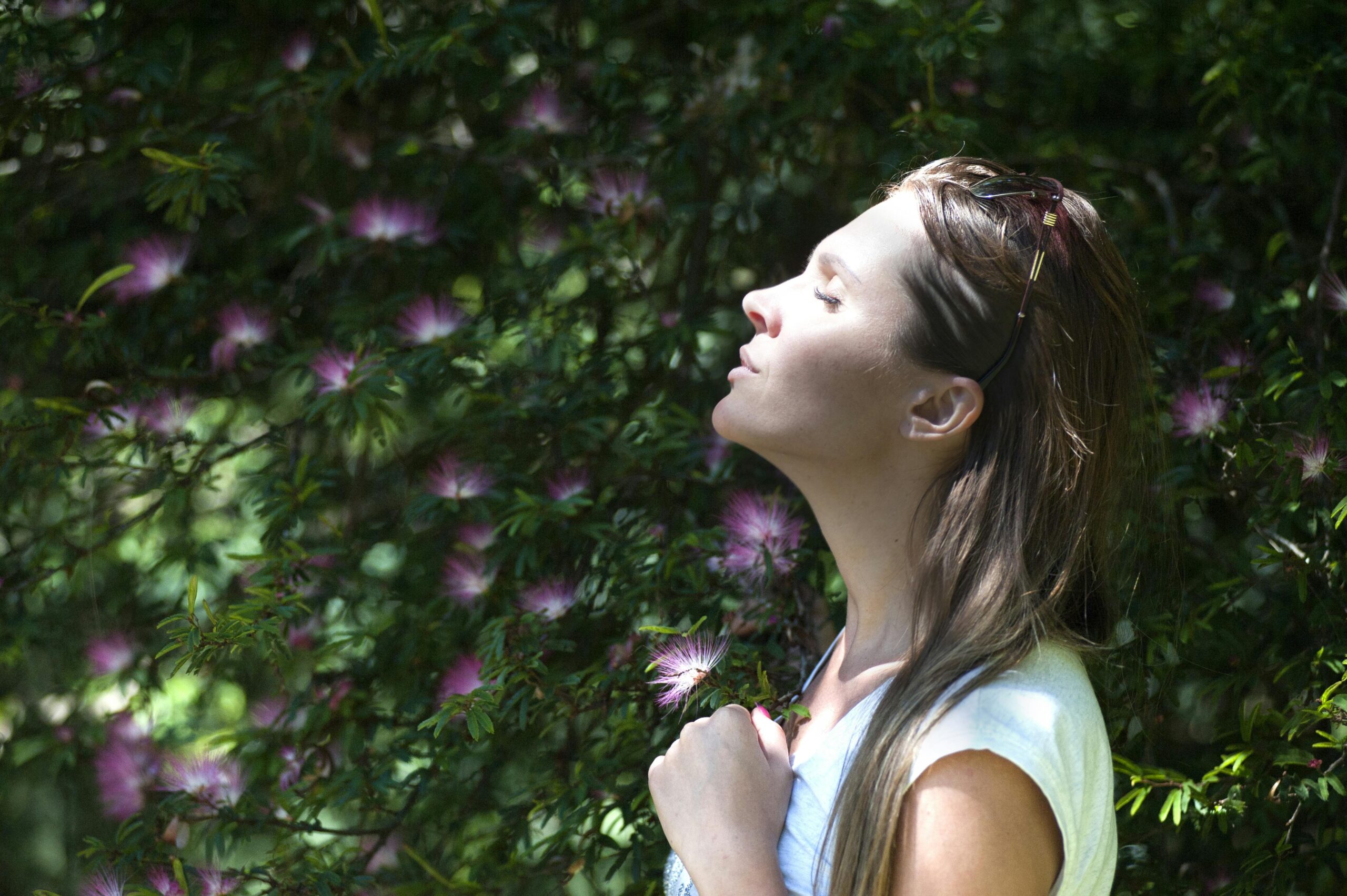
Begin today with a simple commitment: three slow, deep breaths with extended exhalations. Feel the immediate shift in your body. Notice the subtle calm that emerges. This accessible practice, available anytime and anywhere, holds the key to unlocking your body’s innate healing capacity and optimizing every dimension of your health and wellbeing. Your breath is waiting—harness its power and discover the profound potential that lies within each conscious inhalation and exhalation. 🌬️✨