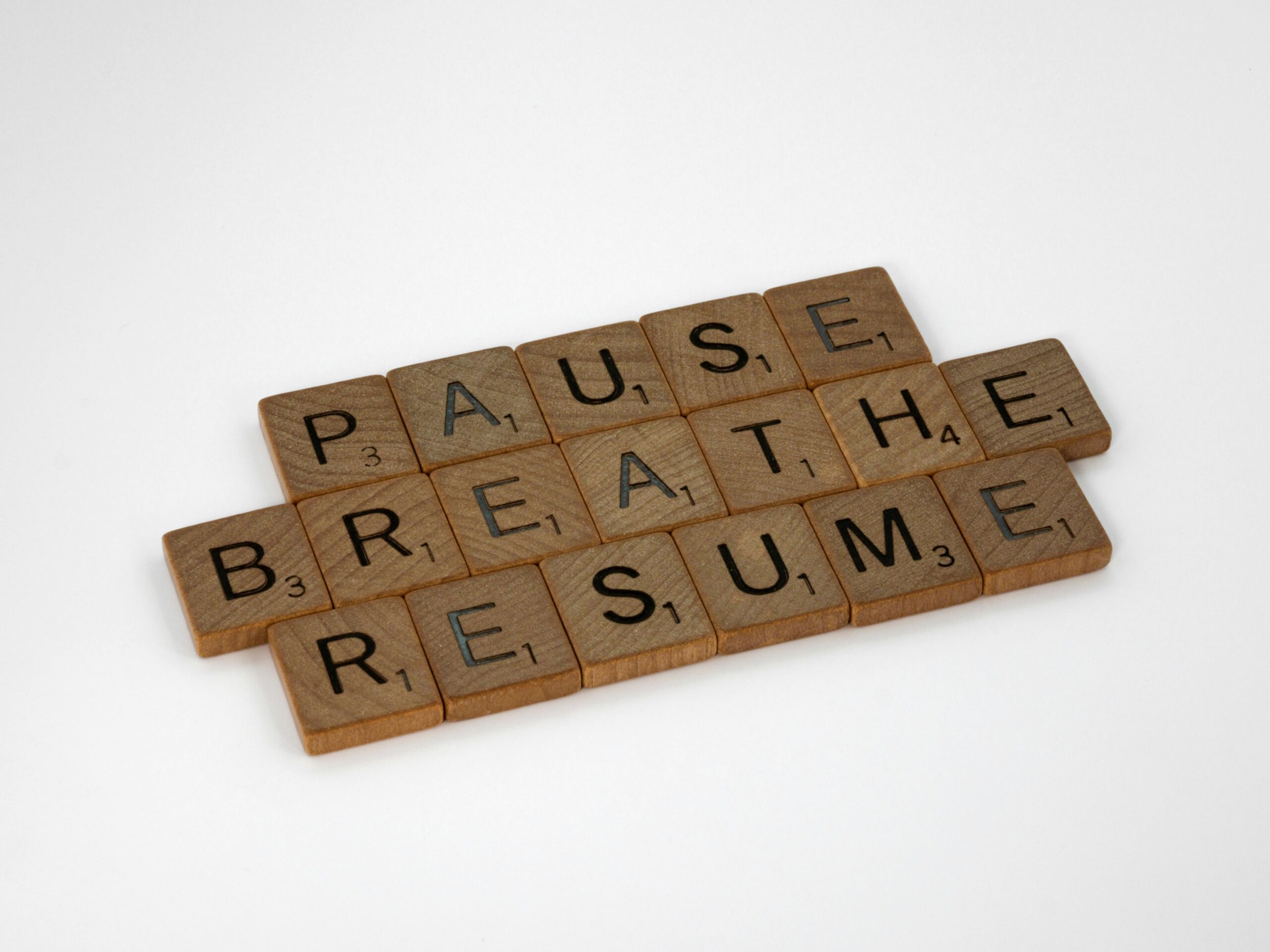
The rhythm of your breath holds surprising power over your emotions, shaping how you feel, think, and respond to life’s challenges every moment.

In our fast-paced world, we often overlook the fundamental connection between breathing and emotional wellness. Yet emerging research reveals that oxygen delivery to the brain plays a crucial role in maintaining psychological balance, regulating stress responses, and supporting mental clarity. Understanding this intricate relationship can transform how we approach emotional regulation and mental health.
The simple act of breathing represents far more than a mechanical exchange of gases. Every inhalation delivers life-sustaining oxygen to billions of neurons, while each exhalation removes metabolic waste that could impair cognitive function. This continuous cycle directly influences neurotransmitter production, hormone regulation, and the activation of neural pathways responsible for emotional processing.
🧠 The Oxygen-Emotion Connection: Understanding the Neuroscience
Your brain, despite representing only about 2% of your body weight, consumes approximately 20% of your body’s oxygen supply. This disproportionate demand reflects the intense metabolic activity required for emotional regulation, decision-making, and maintaining psychological equilibrium. When oxygen delivery becomes compromised—even slightly—emotional stability often suffers first.
The prefrontal cortex, our emotional control center, is particularly sensitive to oxygen fluctuations. This brain region governs impulse control, emotional regulation, and rational decision-making. Studies demonstrate that even mild oxygen deficiency can impair prefrontal cortex function, leading to increased irritability, reduced stress tolerance, and difficulty managing emotional responses.
The amygdala, our brain’s alarm system for threat detection, becomes hyperactive when oxygen levels drop. This heightened sensitivity can trigger disproportionate emotional reactions to minor stressors, creating a cascade of anxiety and emotional dysregulation. Proper oxygenation helps maintain the delicate balance between the amygdala’s vigilance and the prefrontal cortex’s moderating influence.
Neurotransmitters and Breathing: The Chemical Messengers of Mood
Adequate oxygen supply is essential for synthesizing key neurotransmitters that regulate emotional states. Serotonin, often called the “happiness molecule,” requires oxygen for its production and function. Similarly, dopamine, which influences motivation and pleasure, depends on oxygen-dependent enzymatic processes. When breathing patterns become shallow or irregular, neurotransmitter production may decline, contributing to mood disturbances.
The production of gamma-aminobutyric acid (GABA), the brain’s primary calming neurotransmitter, also relies on efficient oxygen metabolism. GABA reduces neuronal excitability throughout the nervous system, promoting relaxation and reducing anxiety. Breathing techniques that optimize oxygen delivery can enhance GABA activity, fostering a greater sense of calm and emotional stability.
💨 Breathing Patterns That Destabilize Emotions
Modern lifestyle factors frequently disrupt natural breathing patterns, creating a foundation for emotional instability. Understanding these dysfunctional patterns represents the first step toward reclaiming emotional balance through breath awareness.
Chronic stress often triggers shallow chest breathing, which activates the sympathetic nervous system and perpetuates the stress response. This pattern limits oxygen exchange in the lower lungs, where blood flow is richest, reducing overall oxygenation efficiency. Over time, shallow breathing becomes habitual, keeping the body in a state of low-grade emergency that erodes emotional resilience.
Mouth breathing, increasingly common due to allergies, structural issues, or habit, bypasses the nose’s natural filtration and humidification systems. This pattern can lead to hyperventilation, which paradoxically reduces oxygen delivery to tissues through a phenomenon called the Bohr effect. The result is a state of chronic tension that makes emotional regulation more challenging.
The Hyperventilation Trap
Many people experiencing anxiety unknowingly hyperventilate, breathing too rapidly or deeply for their metabolic needs. This overbreathing reduces carbon dioxide levels in the blood, which may seem beneficial but actually impairs oxygen release to tissues. The brain receives less oxygen despite the increased breathing effort, triggering symptoms like lightheadedness, tingling, and heightened anxiety—a vicious cycle that intensifies emotional distress.
Recognizing hyperventilation patterns is crucial for breaking this cycle. Common signs include frequent sighing, yawning despite adequate rest, breathing primarily through the mouth, and visible chest movement during normal breathing. These indicators suggest breathing patterns that undermine rather than support emotional stability.
🌬️ Breathing Techniques That Restore Emotional Balance
Intentional breathing practices offer powerful tools for regulating emotions and optimizing oxygen delivery to the brain. These techniques work by engaging the parasympathetic nervous system, promoting efficient gas exchange, and creating physiological conditions that support emotional equilibrium.
Diaphragmatic Breathing: The Foundation of Emotional Regulation
Also known as belly breathing, diaphragmatic breathing engages the body’s primary respiratory muscle, allowing for deeper, more efficient breaths. This technique maximizes oxygen intake while stimulating the vagus nerve, which activates the body’s relaxation response. Regular practice strengthens the diaphragm and retrains automatic breathing patterns toward more efficient functioning.
To practice diaphragmatic breathing, place one hand on your chest and another on your abdomen. Breathe in slowly through your nose, allowing your belly to expand while keeping your chest relatively still. Exhale slowly through your nose or pursed lips, feeling your abdomen contract. Start with five minutes daily, gradually increasing duration as the technique becomes more natural.
Box Breathing: Creating Mental Clarity Through Rhythm
Box breathing, also called square breathing, involves equal-length phases of inhalation, holding, exhalation, and holding again. This technique, used by Navy SEALs and elite athletes, promotes optimal oxygen-carbon dioxide balance while engaging cognitive focus that quiets racing thoughts.
Practice box breathing by inhaling for four counts, holding for four counts, exhaling for four counts, and holding empty for four counts. This rhythmic pattern creates a meditative state that supports emotional regulation while ensuring efficient oxygenation. The technique proves particularly effective during stressful moments when emotional balance feels elusive.
Extended Exhalation: Activating the Relaxation Response
Making your exhalations longer than your inhalations directly stimulates the parasympathetic nervous system, shifting the body from stress mode to rest mode. This simple adjustment sends powerful signals to the brain that safety prevails, allowing emotional centers to recalibrate.
Try breathing in for a count of four and out for a count of six or eight. This ratio activates the vagus nerve more effectively than equal breathing, producing measurable reductions in heart rate, blood pressure, and cortisol levels. The technique offers immediate emotional relief during moments of overwhelm or anxiety.
🔬 Scientific Evidence: What Research Reveals
Contemporary research increasingly validates the profound connection between breathing, oxygenation, and emotional regulation. Multiple studies demonstrate measurable changes in brain function, hormone levels, and emotional processing following breathing interventions.
A landmark study published in the Journal of Neurophysiology found that controlled breathing directly influences brain regions involved in emotion, attention, and body awareness. Researchers using fMRI imaging observed that breathing exercises activated the prefrontal cortex while reducing amygdala reactivity, the precise pattern associated with improved emotional regulation.
Research from Stanford University revealed that a small cluster of neurons in the brainstem connects breathing rhythms to emotional states. This “breathing pacemaker” influences arousal, attention, and stress responses, explaining why altering breath patterns can rapidly shift emotional states. The discovery provides neurological evidence for practices humanity has intuitively understood for millennia.
Breathing and Anxiety Disorders
Clinical trials examining breathing interventions for anxiety disorders have produced encouraging results. A meta-analysis of controlled breathing techniques found significant reductions in anxiety symptoms across multiple studies, with effects comparable to some pharmaceutical interventions but without side effects.
One particularly compelling study followed individuals with generalized anxiety disorder who practiced diaphragmatic breathing for 20 minutes daily over eight weeks. Participants showed substantial improvements in anxiety measures, stress perception, and emotional regulation capacity. Brain imaging revealed increased prefrontal cortex activity and reduced amygdala responsiveness, demonstrating structural changes accompanying symptom improvement.
⚡ Oxygen, Energy, and Emotional Resilience
Emotional regulation requires significant energy resources. The brain’s emotional centers consume glucose and oxygen at elevated rates during challenging situations, and inadequate supply undermines resilience. Understanding this energy dimension illuminates why physical factors like breathing profoundly influence psychological experiences.
Mitochondria, the cellular powerhouses that generate energy, depend on oxygen to produce ATP, the molecule that fuels all cellular processes including neurotransmitter synthesis and neuronal signaling. When breathing patterns limit oxygen availability, mitochondrial function declines, reducing the energy available for emotional processing and regulation.
This energy perspective explains why emotional regulation becomes more difficult during illness, poor sleep, or sedentary periods—all conditions that compromise oxygenation. Conversely, activities that enhance oxygen delivery, like moderate exercise and breathing practices, build emotional resilience by ensuring adequate energy for the brain’s regulatory systems.
Building Emotional Stamina Through Breath
Just as physical training builds muscular endurance, consistent breathing practice develops emotional stamina. Regular engagement with intentional breathing techniques strengthens the neural pathways involved in emotional regulation, making balanced responses more automatic and accessible during stressful situations.
This training effect occurs through neuroplasticity—the brain’s ability to reorganize itself based on experience. Each breathing session reinforces connections between breathing centers, emotional processing regions, and executive control networks. Over time, these strengthened pathways enable quicker recovery from emotional disruptions and greater baseline emotional stability.
🌅 Integrating Breath Awareness Into Daily Life
Understanding the oxygen-emotion connection matters little without practical application. Fortunately, breathing practice requires no equipment, costs nothing, and can be integrated into existing routines without significant time investment.
Start by establishing breath awareness touchpoints throughout your day. Set gentle reminders to check your breathing pattern during routine activities—before meals, during transitions between tasks, or while waiting in lines. These brief check-ins develop the self-awareness necessary for recognizing dysfunctional patterns before they impact emotions.
Create a morning breathing ritual to establish emotional equilibrium for the day ahead. Just five minutes of intentional breathing upon waking can set a tone of calm alertness that influences how you respond to subsequent challenges. This practice proves particularly valuable for those prone to morning anxiety or who face demanding schedules.
Breathing Breaks: The New Coffee Break
Rather than reaching for stimulants when energy or focus wanes, try a three-minute breathing break. This practice delivers fresh oxygen to the brain, activates the parasympathetic nervous system, and provides mental reset that caffeine cannot match. Unlike stimulants that can increase anxiety, breathing breaks simultaneously energize and calm.
During breathing breaks, practice any technique that resonates with you—diaphragmatic breathing, box breathing, or simply deeper, slower breaths than usual. The key is consistency and genuine attention to the breath rather than perfect technique. Even brief periods of conscious breathing interrupt automatic stress patterns and recalibrate emotional tone.
Breath as Emotional First Aid
When emotions surge unexpectedly, your breath offers immediate intervention. Before reacting to frustrating news, a difficult conversation, or unexpected setbacks, pause for three conscious breaths. This brief interval allows oxygen to reach executive brain regions while interrupting automatic emotional reactions, creating space for more considered responses.
This “breath pause” technique proves especially valuable in interpersonal conflicts. Rather than saying something you might regret, take three slow breaths. This practice not only improves your own emotional regulation but often de-escalates tense situations by introducing a moment of calm into charged interactions.
🌱 Long-Term Benefits: Breathing Your Way to Emotional Wellness
The most profound benefits of breath-focused emotional regulation emerge through sustained practice. While individual breathing sessions provide immediate relief, consistent practice over weeks and months produces transformative changes in emotional patterns, stress resilience, and overall psychological well-being.
Individuals who maintain regular breathing practices report increased emotional awareness, allowing them to recognize subtle mood shifts before they intensify. This enhanced sensitivity enables earlier intervention, preventing minor irritations from escalating into major emotional disruptions. The result is smoother emotional navigation through daily challenges.
Long-term practitioners also describe improved relationships, as emotional regulation supports more thoughtful communication and reduces reactive behavior. The pause that conscious breathing creates between stimulus and response allows for empathy, perspective-taking, and considerate choice—qualities that strengthen connections with others.
Breathing Practice and Mental Health Treatment
Progressive mental health professionals increasingly incorporate breathing techniques into treatment protocols for depression, anxiety, trauma, and stress-related disorders. These practices complement traditional therapies and medications, often enhancing treatment effectiveness while empowering clients with self-regulation tools.
For individuals recovering from trauma, breathing techniques offer a sense of control over physiological responses that often feel overwhelming and unpredictable. This mastery over breath and its emotional effects can restore confidence in managing internal states, supporting the broader healing process.
🎯 Finding Your Breathing Practice Path
No single breathing technique works optimally for everyone. Individual differences in physiology, temperament, and life circumstances influence which approaches prove most effective. Experimentation and patience are essential for discovering practices that resonate with your unique constitution.
Begin with simple diaphragmatic breathing, the foundation of effective breath work. Once this basic pattern feels comfortable, explore variations like box breathing, extended exhalation, or alternate nostril breathing. Notice which techniques produce the most noticeable shifts in your emotional state and energy levels.
Consider keeping a brief breathing journal to track your experiments. Note which techniques you practice, duration, and effects on mood, energy, and stress levels. This record reveals patterns over time, highlighting which approaches deserve deeper exploration and which may not suit your particular needs.

🌟 Breathing as a Lifelong Emotional Companion
Unlike external solutions to emotional challenges, your breath remains constantly available, cost-free, and entirely under your control. This accessibility makes breathing practice uniquely valuable—a portable, reliable tool for managing emotions regardless of circumstances.
As you develop your relationship with breath, you may discover that emotional balance becomes less about controlling feelings and more about creating physiological conditions that support natural regulation. This shift represents profound wisdom: rather than fighting emotions, you learn to tend the biological foundations that allow emotional wisdom to emerge.
The journey toward breathing in balance is not about perfection but about return—repeatedly bringing attention back to breath, noticing when patterns have drifted into dysfunction, and gently restoring rhythms that serve emotional wellness. Each return strengthens your capacity for this fundamental form of self-care.
Your breath has accompanied you through every moment of your life, yet you may have never fully appreciated its role in emotional experience. By bringing conscious attention to this automatic process, you unlock a powerful resource for managing stress, processing emotions, and maintaining psychological balance. The oxygen flowing through your lungs with each breath does more than sustain life—it shapes the quality of that life, influencing how you feel, think, and engage with the world around you. In recognizing this connection, you gain agency over emotional wellness that transcends circumstances, rooted in the simple, profound act of breathing with awareness and intention.