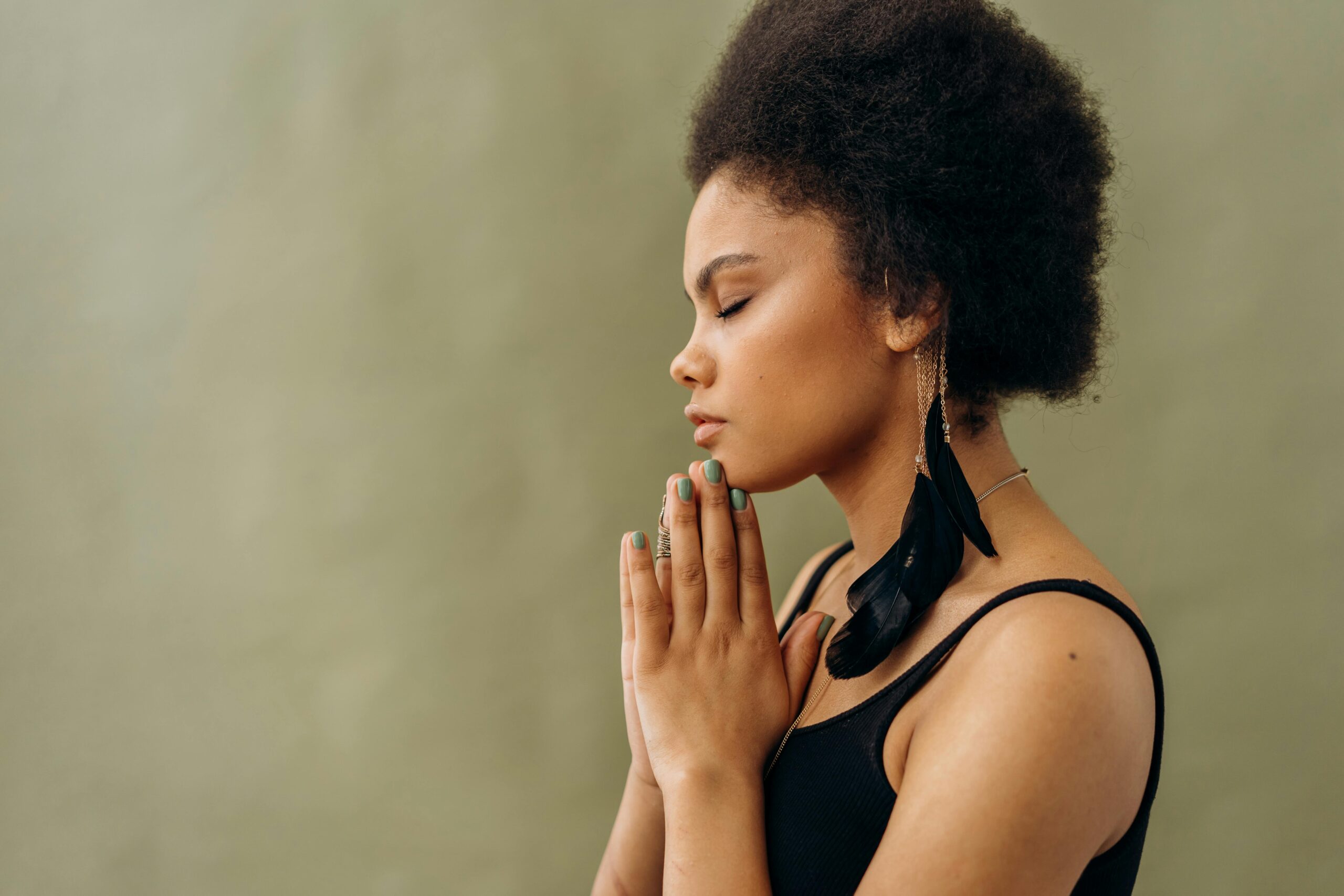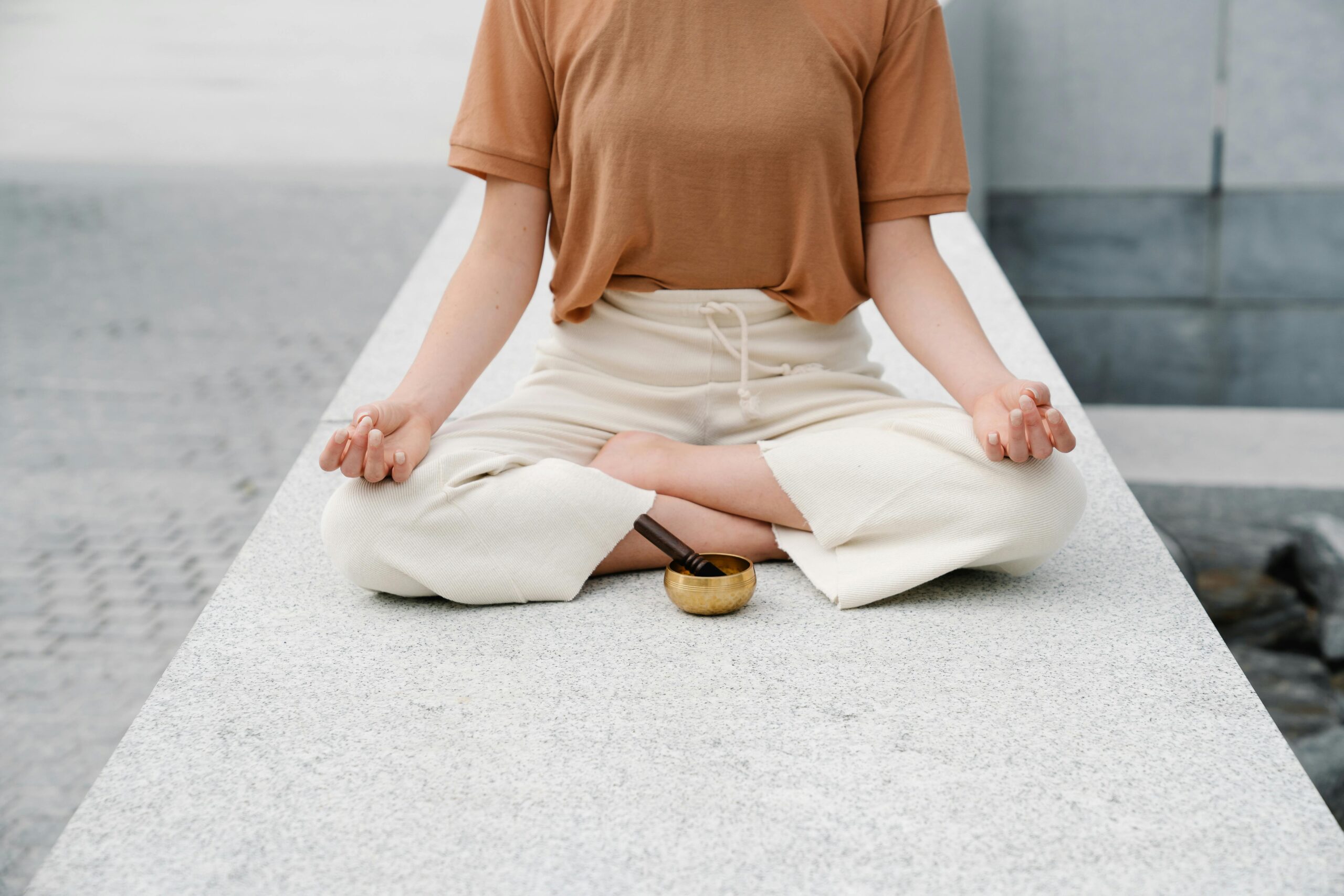
Sound, vibration, and breath create a trinity of natural forces that shape our physical, mental, and energetic wellbeing in profound ways.

Throughout human history, cultures worldwide have recognized the transformative power of sound combined with intentional breathing. From ancient Tibetan singing bowls to indigenous chanting ceremonies, our ancestors intuitively understood what modern science is now validating: the synchronization of sound frequencies with our breath patterns can fundamentally alter our state of consciousness and physical health.
This connection isn’t mystical thinking—it’s rooted in physics, biology, and neuroscience. Every cell in our body vibrates at specific frequencies, and when we introduce external vibrations through sound while consciously controlling our breath, we create opportunities for deep healing and energetic alignment. This article explores how these three elements work together to create harmony within our systems and how we can harness their power for improved wellness.
🎵 The Science Behind Sound and Vibration
Everything in the universe operates on vibration. At the quantum level, particles are in constant motion, creating frequencies that define their nature. Our bodies are no exception—our hearts beat rhythmically, our lungs expand and contract, our brain waves oscillate in measurable patterns.
Sound is essentially vibration traveling through a medium. When sound waves enter our body, they don’t just reach our ears; they penetrate our tissues, organs, and even our cellular structures. Research in cymatics—the study of visible sound and vibration—demonstrates how different frequencies create distinct geometric patterns in matter. When applied to the human body, these vibrational patterns can influence cellular organization and function.
The human body is approximately 60% water, making it an excellent conductor for sound vibrations. Studies have shown that specific frequencies can affect our autonomic nervous system, hormonal balance, and even gene expression. When we combine these sound frequencies with intentional breathing patterns, we amplify their effects exponentially.
Resonance and Entrainment Explained
Two fundamental principles govern how sound affects our bodies: resonance and entrainment. Resonance occurs when an external vibration matches the natural frequency of an object, causing it to vibrate sympathetically. Every organ in your body has its own resonant frequency—your heart, lungs, brain, and even individual cells respond to specific vibrational patterns.
Entrainment describes the process by which two rhythmic systems synchronize with each other. Your heartbeat, for instance, will naturally begin to match a consistent external rhythm when exposed to it over time. This phenomenon explains why calming music can slow your heart rate or why an energetic drumbeat makes you want to move.
💨 The Breath as a Bridge Between Mind and Body
Breathing is the only autonomic function we can consciously control. This unique characteristic makes breath the perfect bridge between our conscious mind and our involuntary bodily systems. When we consciously modify our breathing patterns, we directly influence our nervous system, cardiovascular function, and mental state.
Ancient yogic traditions identified this connection thousands of years ago through pranayama practices. Modern research confirms that controlled breathing activates the parasympathetic nervous system, reducing cortisol levels and promoting states of calm and clarity. Different breathing patterns produce different physiological and psychological effects.
The vagus nerve, which connects your brain to your heart, lungs, and digestive system, is stimulated through specific breathing techniques. This stimulation triggers the release of neurotransmitters that reduce inflammation, improve mood, and enhance cognitive function. When we combine breath control with sound vibration, we create a powerful feedback loop that amplifies beneficial effects.
Breath Patterns and Their Effects
Different breathing rhythms create distinct states of consciousness and physiological responses. Slow, deep breathing (around 6 breaths per minute) activates the parasympathetic nervous system and induces relaxation. Rapid breathing increases alertness and energy but should be practiced carefully under proper guidance.
The ratio between inhalation and exhalation matters significantly. Equal breathing (sama vritti) balances the nervous system, while extended exhalations promote deeper relaxation. Box breathing (equal counts for inhale, hold, exhale, hold) is used by military personnel to maintain calm under stress.
🌊 The Synchronization Phenomenon
When sound, vibration, and breath come together in synchronized patterns, something remarkable happens. This triadic harmony creates what researchers call “coherence”—a state where multiple body systems operate in optimal coordination. Heart rate variability improves, brain wave patterns stabilize, and the body enters states conducive to healing and regeneration.
Binaural beats provide a perfect example of this synchronization. When two slightly different frequencies are presented separately to each ear, the brain perceives a third frequency—the difference between them. If you pair this auditory experience with breathing at a matching rhythm, you create a powerful entrainment effect that can shift your consciousness into desired states.
Sound healing practitioners use instruments like singing bowls, gongs, and tuning forks calibrated to specific frequencies believed to correspond with different energy centers or chakras in the body. When participants consciously breathe in rhythm with these sounds, they report profound experiences of relaxation, emotional release, and energetic clearing.
Practical Applications for Daily Life
You don’t need expensive equipment or extensive training to begin experiencing the benefits of sound-breath synchronization. Simple practices can be integrated into your daily routine with immediate positive effects on your stress levels, mental clarity, and overall wellbeing.
Start with humming or chanting while maintaining steady breath. The vibrations created in your skull and chest cavity stimulate the vagus nerve and create a massage-like effect on internal organs. The “Om” sound, used in meditation for millennia, creates frequencies that research shows can reduce stress markers and induce meditative states.
Music-assisted breathing exercises offer another accessible entry point. Choose instrumental music with a clear, steady rhythm. Match your breath to the musical tempo—inhale for four beats, exhale for four beats. This simple practice synchronizes your respiratory system with external rhythm, creating coherence.
🧠 Neurological Impact of Sound-Breath Harmony
The brain responds dramatically to the combination of rhythmic sound and controlled breathing. EEG studies show that participants practicing sound-synchronized breathing exhibit increased alpha and theta brain wave activity—patterns associated with relaxation, creativity, and meditative states.
The prefrontal cortex, responsible for executive function and emotional regulation, shows enhanced activity when sound and breath are harmonized. Simultaneously, the amygdala—the brain’s fear center—demonstrates reduced activation. This neurological shift explains the profound calm many people experience during sound healing sessions.
Neuroplasticity research suggests that regular practice of sound-breath synchronization can create lasting changes in brain structure and function. Neural pathways associated with stress response become less reactive, while circuits supporting emotional balance strengthen over time.
Brain Wave States and Their Characteristics
Understanding brain wave frequencies helps clarify how sound-breath practices work. Beta waves (13-30 Hz) dominate our normal waking consciousness. Alpha waves (8-12 Hz) emerge during relaxed alertness. Theta waves (4-7 Hz) characterize deep meditation and creativity. Delta waves (0.5-3 Hz) occur in deep sleep.
By using specific sound frequencies combined with breathing patterns, we can intentionally guide our brain into desired states. For focus and productivity, target alpha states. For deep meditation or emotional healing, aim for theta. Sound practitioners design sessions specifically to move participants through these various states systematically.
💫 Energy Systems and Vibrational Healing
Traditional medicine systems including Ayurveda, Traditional Chinese Medicine, and various indigenous healing practices describe the body as having energetic channels and centers. While Western science historically dismissed these concepts, emerging research in biofield science and subtle energy medicine is finding measurable evidence for these systems.
The human biofield—the electromagnetic field surrounding and interpenetrating the body—can be detected and measured using sensitive instruments. Studies show that this field responds to sound vibrations and changes with different breathing patterns. Healers working with sound and breath may be influencing this biofield to promote balance and wellness.
The concept of chakras—energy centers aligned along the spine—correlates interestingly with anatomical structures including major nerve plexuses and endocrine glands. Specific sound frequencies are traditionally associated with each chakra, and combining these sounds with directed breath is believed to clear blockages and restore energetic flow.
🎼 Practical Techniques for Harmonizing Your Energy
Implementing sound-breath synchronization doesn’t require special training or expensive equipment. Here are practical techniques you can begin using today to experience the benefits of this powerful connection.
The Five-Minute Sound Bath
Find a quiet space where you won’t be disturbed. Sit or lie comfortably and play a recording of singing bowls, gongs, or binaural beats. Close your eyes and begin breathing slowly and deeply. As you inhale, visualize the sound waves entering your body. As you exhale, imagine any tension or stress leaving. Continue for five minutes, allowing your breath to naturally synchronize with the rhythm and flow of the sounds.
Vocal Toning Practice
Vocal toning uses your own voice to create vibration throughout your body. Take a deep breath and on the exhale, produce a sustained vowel sound—”ah,” “oh,” or “ee.” Feel the vibration in different parts of your body. Experiment with pitch until you find frequencies that create the strongest sensation. Practice for several minutes, focusing on the feeling of vibration combined with your controlled breath.
Rhythmic Breathing with Music
Select music with a clear, steady beat around 60-80 beats per minute (similar to a resting heart rate). Breathe in for four beats, hold for two, exhale for six, hold for two. This 4-2-6-2 pattern activates the parasympathetic nervous system while entraining your body to the external rhythm. Practice for 10-15 minutes daily.
🔬 Evidence-Based Benefits
Research into sound healing, breathwork, and their combination continues to grow, with studies documenting numerous measurable benefits. A 2016 study published in the Journal of Evidence-Based Integrative Medicine found that participants in a Tibetan singing bowl meditation showed significantly decreased tension, anger, fatigue, and depressed mood compared to control groups.
Breathing exercises have been extensively studied, with research showing benefits for anxiety, depression, PTSD, and chronic pain conditions. When sound elements are added to breathing practices, many studies report enhanced effects compared to breathing practice alone.
Vagus nerve stimulation through combined sound and breath shows promise for treating inflammatory conditions, improving heart rate variability, and supporting immune function. While more research is needed, preliminary findings suggest wide-ranging therapeutic potential.
Documented Physical and Mental Health Benefits
- Reduced blood pressure and heart rate
- Decreased cortisol and stress hormone levels
- Improved sleep quality and duration
- Enhanced immune system function
- Reduced symptoms of anxiety and depression
- Better pain management and reduced inflammation
- Increased emotional regulation and resilience
- Enhanced focus, concentration, and cognitive performance
🌟 Creating Your Personal Practice
Developing a consistent practice with sound, vibration, and breath synchronization yields the greatest benefits. Start small and build gradually. Even five minutes daily creates positive changes that compound over time.
Create a dedicated space in your home for practice. This doesn’t need to be elaborate—a corner with a cushion or chair works perfectly. Having a consistent physical location helps establish the routine and signals to your mind that it’s time to shift into a different state.
Experiment with different approaches to discover what resonates most with you. Some people respond powerfully to instrumental sounds, while others prefer vocal toning or chanting. Your practice should feel nourishing rather than forced. Trust your intuition about what your body needs on any given day.
Building Consistency and Deepening Your Practice
Schedule your practice at the same time each day to establish a habit. Morning sessions set a calm, centered tone for the day ahead. Evening practices help release accumulated stress and prepare for restorative sleep. Choose timing that realistically fits your lifestyle.
Keep a simple journal documenting your experiences. Note the techniques used, duration, and how you felt before and after. Over time, patterns will emerge showing which practices produce the most beneficial effects for you personally. This awareness allows you to refine your approach for maximum benefit.
Consider attending sound healing sessions, workshops, or joining online communities focused on these practices. Learning from experienced practitioners accelerates your understanding and exposes you to new techniques. Community support also helps maintain motivation during your journey.

✨ The Transformative Potential of Harmonic Living
When you consistently harmonize sound, vibration, and breath, you’re not just engaging in a wellness practice—you’re cultivating a fundamentally different way of being in the world. This alignment creates ripple effects that extend beyond your formal practice time into all areas of life.
People who maintain regular sound-breath practices report feeling more present, connected, and resilient. The nervous system becomes less reactive to stress, emotional balance improves, and physical health often follows suit. These aren’t temporary fixes but genuine shifts in how your body-mind system operates.
The beauty of this approach lies in its accessibility and simplicity. You carry your breath and voice with you always. Sound is freely available through technology or simple instruments. The investment required is time and attention rather than money or special equipment.
As you deepen your practice, you may notice increased sensitivity to the vibrational quality of your environment, the music you listen to, and even the rhythm of your daily activities. This heightened awareness allows you to make choices that support your wellbeing more naturally and consistently.
The powerful connection between sound, vibration, and breath synchrony offers a pathway to profound transformation that honors both ancient wisdom and modern science. By integrating these practices into your life, you tap into fundamental forces that have shaped human wellness throughout history. Whether seeking stress relief, enhanced creativity, deeper meditation, or simply a greater sense of peace, harmonizing these three elements provides a proven, accessible method for achieving your wellness goals. The symphony of your wellbeing awaits—all you need to do is tune in and breathe.