
The intersection of mind and body research is revolutionizing our understanding of human potential, opening doors to unprecedented discoveries about consciousness, health, and wellbeing.

For centuries, the relationship between our mental states and physical health remained shrouded in mystery. Today, we stand at the threshold of a remarkable era where inner science—the systematic study of consciousness, meditation, neuroplasticity, and mind-body connections—is being validated through rigorous scientific inquiry. This convergence of ancient wisdom and modern technology is reshaping medicine, psychology, and our fundamental understanding of what it means to be human.
The field of inner science encompasses diverse disciplines including neuroscience, psychology, quantum biology, and contemplative practices. Researchers worldwide are uncovering how our thoughts, emotions, and intentions influence cellular function, genetic expression, and overall health outcomes. These discoveries aren’t merely academic curiosities—they’re transforming healthcare, education, and personal development in profound ways.
🧠 The Neuroscience Revolution: Mapping the Mind’s Terrain
Modern neuroimaging technologies have given scientists unprecedented access to the living brain. Functional MRI, PET scans, and EEG devices allow researchers to observe neural activity in real-time, revealing how different mental states create distinct patterns of brain activation. These tools have validated what contemplative traditions have long claimed: that mental training can fundamentally reshape our neural architecture.
Neuroplasticity—the brain’s ability to reorganize itself by forming new neural connections—has emerged as one of the most significant discoveries in neuroscience. Contrary to the long-held belief that adult brains are fixed and unchangeable, research now shows that our brains remain remarkably adaptable throughout life. Meditation practitioners, for instance, show measurable increases in gray matter density in regions associated with learning, memory, emotional regulation, and perspective-taking.
Dr. Richard Davidson’s groundbreaking work at the University of Wisconsin-Madison has demonstrated that experienced meditators exhibit enhanced gamma wave synchrony, associated with heightened awareness and cognitive function. His research with Tibetan monks revealed neural patterns never before documented in scientific literature, suggesting that human consciousness has far greater plasticity than previously imagined.
Consciousness Studies: Beyond the Material Brain
The hard problem of consciousness—explaining how subjective experience arises from physical brain matter—remains one of science’s greatest mysteries. Yet recent research is challenging purely materialist models of mind. Studies of near-death experiences, terminal lucidity in dementia patients, and the efficacy of placebo effects all suggest that consciousness may be more fundamental than previously understood.
Quantum biology is revealing that quantum processes may play roles in biological systems, including potentially in consciousness itself. While controversial, theories like Orchestrated Objective Reduction (Orch-OR) propose that quantum computations in brain microtubules could form the basis of conscious experience. Whether or not these specific models prove correct, they’re expanding the boundaries of what questions science considers legitimate to explore.
💓 The Mind-Body Connection: From Theory to Therapeutic Application
The psychoneuroimmunology field has established definitive links between psychological states and immune function. Chronic stress, for example, triggers cascades of hormones that suppress immune activity, increase inflammation, and accelerate cellular aging. Conversely, positive mental states enhance immune response, promote healing, and extend healthspan.
The autonomic nervous system serves as a primary bridge between mind and body. Our thoughts and emotions directly influence heart rate variability, breathing patterns, digestive function, and hormonal balance. This bidirectional communication means that consciously regulating breath or body posture can shift mental states—a principle underlying practices like yoga, tai chi, and various somatic therapies.
Epigenetics: How Thoughts Influence Genes
Perhaps no discovery has been more revolutionary than epigenetics—the study of how behaviors and environment can cause changes affecting the way genes work. Unlike genetic mutations, epigenetic changes don’t alter DNA sequence but they do change how cells “read” genes. Research shows that meditation, diet, exercise, and even social connections can modify gene expression patterns.
Dr. Elizabeth Blackburn’s Nobel Prize-winning research on telomeres revealed that meditation and stress management can influence the rate of cellular aging at the chromosomal level. Studies have found that just eight weeks of meditation practice can produce measurable changes in gene expression related to inflammation, circadian rhythms, and glucose metabolism.
This means that our daily choices—how we manage stress, what we think about, and how we relate to experiences—are literally programming our biology. We’re not passive victims of genetic destiny but active participants in our biological expression.
🌟 Meditation and Contemplative Science: Ancient Practices Meet Modern Research
Meditation has transitioned from fringe practice to mainstream intervention, supported by thousands of peer-reviewed studies. Meta-analyses confirm meditation’s efficacy for reducing anxiety, depression, chronic pain, and addiction while improving attention, emotional regulation, and quality of life. Major institutions from Harvard to Stanford now house contemplative science research centers.
Different meditation techniques produce distinct neurological and physiological effects. Focused attention practices strengthen neural networks associated with sustained concentration. Open monitoring meditation enhances meta-awareness and reduces habitual reactivity. Compassion meditation activates brain regions linked to empathy and positive emotion while reducing amygdala reactivity to stress.
Mindfulness-based interventions have been successfully integrated into clinical settings. Mindfulness-Based Stress Reduction (MBSR) and Mindfulness-Based Cognitive Therapy (MBCT) show effectiveness comparable to antidepressants for preventing depression relapse, without side effects. These programs are now offered in hospitals, schools, corporations, and prisons worldwide.
Technological Support for Inner Exploration
Digital platforms are democratizing access to evidence-based contemplative practices. Apps provide guided meditations, breathing exercises, and biofeedback tools that were once accessible only through specialized training. These technologies help users establish consistent practices while tracking progress and personalizing approaches based on individual responses.
Wearable devices now monitor heart rate variability, sleep quality, and stress levels, providing real-time feedback on how mental states affect physiology. This biofeedback helps users understand their unique patterns and optimize practices for maximum benefit. The gamification of meditation through apps also helps maintain motivation and build sustainable habits.
🔬 The Future Frontier: Emerging Research Directions
The next decade promises extraordinary advances in mind-body research. Several emerging areas show particular promise for expanding our understanding and therapeutic capabilities.
Psychedelic-Assisted Therapy
After decades of prohibition, psychedelic substances are experiencing a research renaissance. Clinical trials with psilocybin, MDMA, and LSD are producing remarkable results for treatment-resistant depression, PTSD, addiction, and end-of-life anxiety. These substances appear to temporarily increase neuroplasticity and disrupt rigid patterns of thinking, allowing therapeutic breakthroughs that would take years with conventional approaches.
Brain imaging studies reveal that psychedelics dramatically increase connectivity between normally segregated brain regions, potentially explaining the profound shifts in perspective users report. This research is forcing reconsideration of consciousness models and revealing new targets for psychiatric intervention.
Biofield Science and Energy Medicine
While controversial, research into biofields—subtle energy fields purportedly surrounding living organisms—is gaining scientific credibility. Studies using highly sensitive magnetometers have detected measurable electromagnetic fields emanating from the heart and brain. Some research suggests these fields may mediate information transfer between individuals, though mechanisms remain unclear.
Practices like Reiki, therapeutic touch, and qigong are being subjected to rigorous investigation. While results are mixed, some studies show effects beyond placebo, particularly for pain management and anxiety reduction. Whether these effects are mediated by subtle energy, enhanced practitioner presence, or other factors remains an active research question.
Artificial Intelligence and Consciousness Research
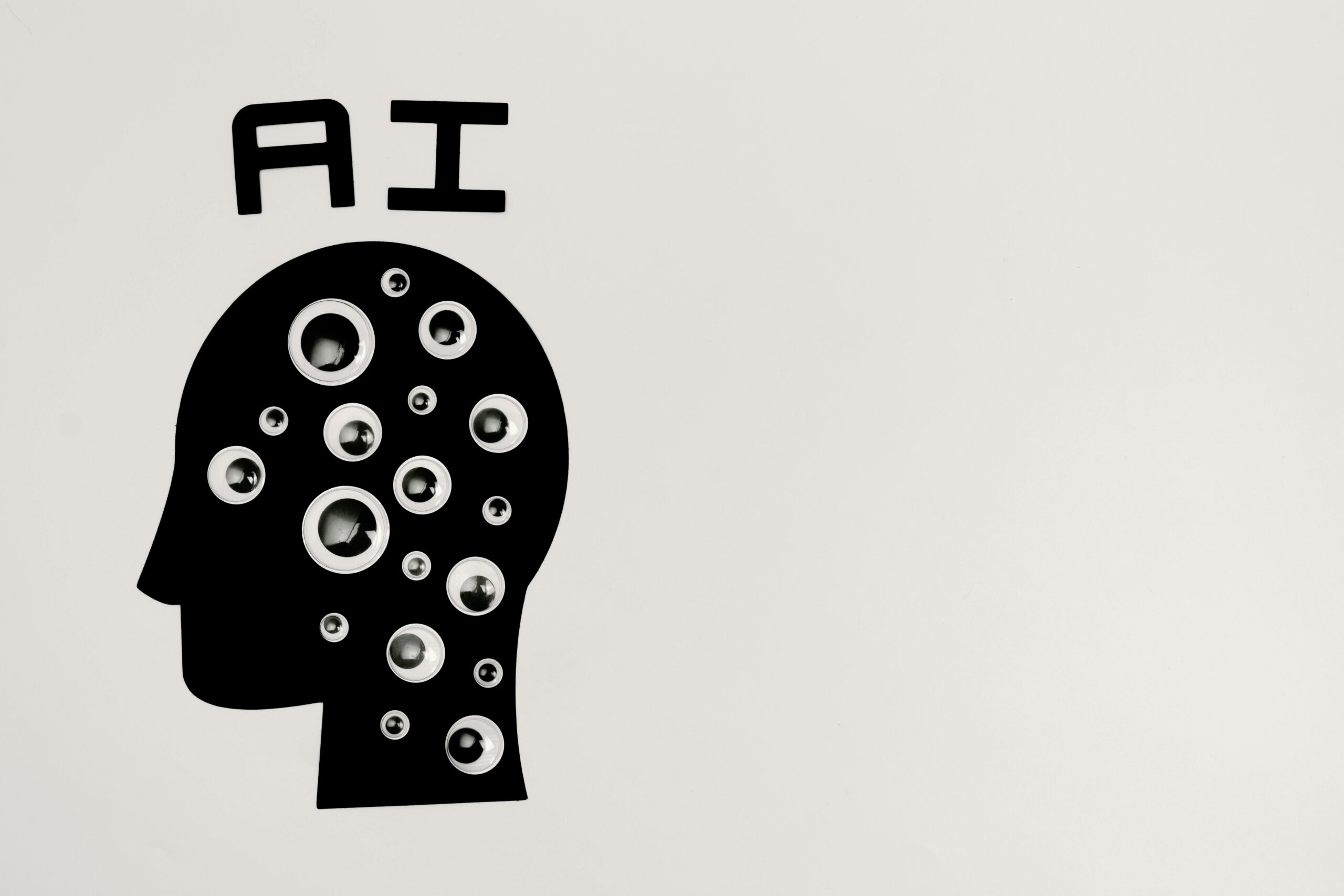
AI technologies are becoming powerful tools for consciousness research. Machine learning algorithms can analyze vast datasets of brain imaging, identify patterns invisible to human researchers, and generate testable predictions about neural correlates of subjective states. AI models are also being used to simulate aspects of consciousness, potentially illuminating how subjective experience emerges from complex information processing.
Conversely, insights from consciousness research may prove crucial for developing truly intelligent AI systems. Understanding how biological systems generate awareness, intentionality, and unified experience could guide creation of more sophisticated artificial minds.
🏥 Clinical Applications: Transforming Healthcare
Mind-body research is driving fundamental shifts in medical practice. Integrative medicine approaches combining conventional treatments with evidence-based mind-body interventions are becoming standard in leading healthcare institutions. This represents a move from purely symptom-focused care toward addressing root causes and supporting innate healing capacities.
Cardiac rehabilitation programs now routinely include meditation and stress management. Cancer centers offer mindfulness training, yoga, and guided imagery alongside chemotherapy. Pain management increasingly emphasizes mind-body approaches as alternatives or complements to opioid medications. These shifts are supported by cost-effectiveness analyses showing that preventive mind-body interventions reduce healthcare utilization and improve outcomes.
Precision Mind-Body Medicine
The future points toward personalized approaches based on individual genetic, epigenetic, and psychosocial profiles. Biomarker testing can identify which patients are most likely to respond to specific interventions. Continuous monitoring through wearables provides data enabling real-time optimization of practices.
Imagine a future where your physician prescribes a personalized meditation protocol based on your genetic stress response profile, monitors your adherence and physiological changes through wearable sensors, and adjusts the prescription in real-time based on biomarker feedback. This vision is increasingly feasible with current technology.
🎓 Education and Human Potential
Understanding neuroplasticity and mind-body connections has profound implications for education. Schools implementing contemplative curricula report improvements in attention, academic performance, social-emotional skills, and school climate. Teaching children self-regulation skills may be as important as traditional academic content for long-term success and wellbeing.
The growth mindset research pioneered by Carol Dweck demonstrates that believing intelligence is malleable rather than fixed enhances motivation and achievement. This aligns perfectly with neuroplasticity findings—when students understand that mental effort literally grows their brains, they embrace challenges rather than avoiding them.
Peak performance training in athletics, business, and arts increasingly incorporates meditation, visualization, and mental skills training. Elite performers recognize that mastery requires training the mind as rigorously as the body. This represents a cultural shift toward recognizing inner development as foundational to excellence in any domain.
🌍 Societal Implications: Collective Transformation
If individual consciousness can be trained and transformed, what about collective consciousness? Research on group meditation’s effects on crime rates, hospital admissions, and conflict intensity has produced intriguing if contested findings. Whether or not consciousness operates non-locally, it’s clear that when individuals develop greater self-awareness and emotional regulation, communities benefit.
The growing interest in contemplative practice reflects deeper cultural currents. In our hyper-connected, information-saturated world, people are seeking tools for managing attention, finding meaning, and cultivating inner peace. Inner science offers evidence-based approaches addressing these needs without requiring adherence to particular belief systems.
This democratization of transformative practices could catalyze significant social evolution. Imagine societies where emotional intelligence and self-awareness are cultivated as systematically as literacy and numeracy. Such a shift might address root causes of many social problems, from polarization to environmental destruction.
✨ Integrating Inner Science Into Daily Life
The insights from mind-body research needn’t remain abstract knowledge—they can be practically applied to enhance daily life. Simple practices based on this science include:
- Starting each day with ten minutes of meditation or mindful breathing to set nervous system tone
- Taking brief movement breaks to interrupt prolonged sitting and refresh mental energy
- Practicing gratitude, which research shows enhances wellbeing and physical health
- Cultivating social connections, as relationships powerfully influence health outcomes
- Spending time in nature, which reduces stress hormones and enhances cognitive function
- Prioritizing sleep, during which critical neural consolidation and cellular repair occur
- Engaging in activities that induce flow states, promoting optimal brain function
These aren’t merely feel-good suggestions but scientifically validated interventions with measurable physiological effects. The beauty of inner science is that you become your own laboratory, able to experiment and observe what practices produce tangible benefits in your experience.
🔮 Looking Ahead: The Unfolding Journey
We stand at the beginning rather than the end of understanding mind-body connections. Each discovery raises new questions. How do subjective experiences arise from neural processes? Can consciousness exist independent of biological substrates? What are the ultimate limits of human potential when inner capacities are systematically developed?
The convergence of neuroscience, quantum physics, AI, and contemplative wisdom may yield insights that fundamentally revise our understanding of reality. Some scientists speculate that consciousness may be as fundamental to the universe as space, time, and matter—not merely an emergent property of complex brains but a basic feature of existence.
Whether or not such radical theories prove correct, the practical applications of mind-body research will continue expanding. As our understanding deepens, interventions will become more targeted, effective, and personalized. The future of medicine, education, and human development will increasingly recognize that mind and body aren’t separate entities but complementary aspects of unified beings.
The power of inner science lies not just in treating illness but in unlocking human potential. By understanding how consciousness interfaces with biology, we gain agency over our health, happiness, and development. This knowledge empowers each person to actively participate in their own evolution rather than remaining passive recipient of genetic and environmental influences.
As research continues revealing the extraordinary plasticity of human consciousness and the profound connections between mental and physical dimensions, we’re discovering that the future of human potential may be far more expansive than we’ve imagined. The journey of exploring inner science is ultimately a journey of discovering who we truly are and what we might become. 🌈