Modern life’s constant demands make it harder than ever to find genuine peace, but virtual reality meditation is transforming how we escape stress and discover inner calm.

🧘 The Revolutionary Marriage of Virtual Reality and Meditation
Virtual reality technology has evolved far beyond gaming entertainment, emerging as a powerful tool for mental wellness and mindfulness practice. VR meditation experiences transport users to serene environments impossible to access in daily life—from floating among celestial clouds to sitting beneath ancient redwood forests or resting on pristine tropical beaches.
The immersive nature of VR creates a unique advantage over traditional meditation methods. By blocking out physical distractions and surrounding users with calming visuals and soundscapes, these experiences make it significantly easier for beginners and experienced practitioners alike to achieve deeper states of relaxation and presence.
Research from Stanford University’s Virtual Human Interaction Lab demonstrates that VR environments can produce measurable changes in stress levels, heart rate variability, and overall emotional well-being. The technology essentially hijacks our sensory perception in beneficial ways, convincing the brain that we’ve truly escaped to peaceful sanctuaries.
Why Your Mind Craves an Immersive Escape 🌿
Our brains weren’t designed for the relentless stimulation of modern existence. The constant notifications, urban noise pollution, artificial lighting, and endless task lists create a state of chronic stress that traditional relaxation techniques struggle to address effectively.
VR meditation solves this problem by creating a controlled sensory environment that actively counters everyday overstimulation. When you put on a VR headset, you’re not just closing your eyes and trying to ignore distractions—you’re replacing your entire visual and auditory reality with something intentionally designed to promote tranquility.
This complete sensory replacement is particularly valuable for people who live in noisy apartments, lack access to nature, or find their thoughts constantly wandering during conventional meditation sessions. The immersive quality provides an anchor point that makes mindfulness more accessible and immediately effective.
The Science Behind Immersive Relaxation
Neuroscience reveals that our brains respond to virtual environments much like they respond to physical ones. When you’re surrounded by a peaceful VR forest, your visual cortex processes those trees as real stimuli, triggering genuine physiological relaxation responses including:
- Decreased cortisol production and stress hormone levels
- Activation of the parasympathetic nervous system
- Reduced blood pressure and heart rate
- Increased alpha brain wave activity associated with relaxation
- Enhanced production of serotonin and other mood-regulating neurotransmitters
This isn’t placebo effect—it’s your brain genuinely responding to the perceived environment as though you’d actually traveled to these calming locations.
Exploring Different VR Meditation Environments 🏔️
One of the most compelling aspects of VR meditation is the incredible variety of environments available. Unlike meditation apps that offer only audio guidance or static images, VR experiences provide fully realized three-dimensional spaces you can explore and inhabit.
Natural Landscapes That Heal
Nature-based VR environments consistently rank as the most popular and effective for meditation purposes. These include mountain vistas where you can watch clouds drift past snowy peaks, underwater coral reefs teeming with colorful marine life, and northern lights displays that paint the arctic sky in shimmering colors.
Forest environments prove particularly powerful for stress reduction. Studies on “forest bathing” (the Japanese practice of shinrin-yoku) show that exposure to forest environments—even virtual ones—can significantly improve mood, reduce anxiety, and enhance overall psychological well-being.
Fantastical and Abstract Spaces
Beyond realistic natural settings, many VR meditation experiences offer surreal or abstract environments that couldn’t exist in physical reality. Imagine meditating while floating through geometric patterns that respond to your breathing, or sitting in a space where colors and forms flow and shift according to your heart rate.
These abstract environments can be especially helpful for experienced meditators exploring deeper consciousness states, or for people who find realistic environments too mentally stimulating during meditation practice.
Top VR Meditation Applications Worth Exploring 🎧
The VR meditation landscape includes several exceptional applications, each offering unique approaches to immersive mindfulness practice.
TRIPP stands out as one of the most sophisticated VR meditation platforms, combining stunning visuals with biometric tracking and adaptive experiences that respond to your emotional state. The application guides users through various “journeys” designed for different intentions—from stress relief to creative inspiration to deep relaxation.
Guided Meditation VR offers an extensive library of over 150 environments, ranging from realistic natural locations to fantastical dream-like spaces. The application includes both guided meditation sessions with instructor narration and open exploration modes where you can simply inhabit peaceful environments.
Maloka provides meditation experiences rooted in mindfulness-based stress reduction (MBSR) protocols, offering structured programs for anxiety management, sleep improvement, and building consistent meditation habits. The application emphasizes evidence-based techniques within its immersive environments.
Choosing the Right Application for Your Needs
When selecting a VR meditation app, consider your specific goals and meditation experience level. Beginners typically benefit from applications offering substantial guidance and structure, while experienced practitioners might prefer platforms with more open-ended exploration options.
Also consider technical factors like your VR headset model compatibility, whether you prefer seated or standing experiences, and if you want features like progress tracking or social meditation options with other users.
Getting Started with VR Meditation Practice 🌟
Transitioning into VR meditation requires some adjustment, even if you’re already familiar with traditional meditation techniques. The technology adds a layer of complexity, but following some basic guidelines will help you establish an effective practice quickly.
Setting Up Your Physical Space
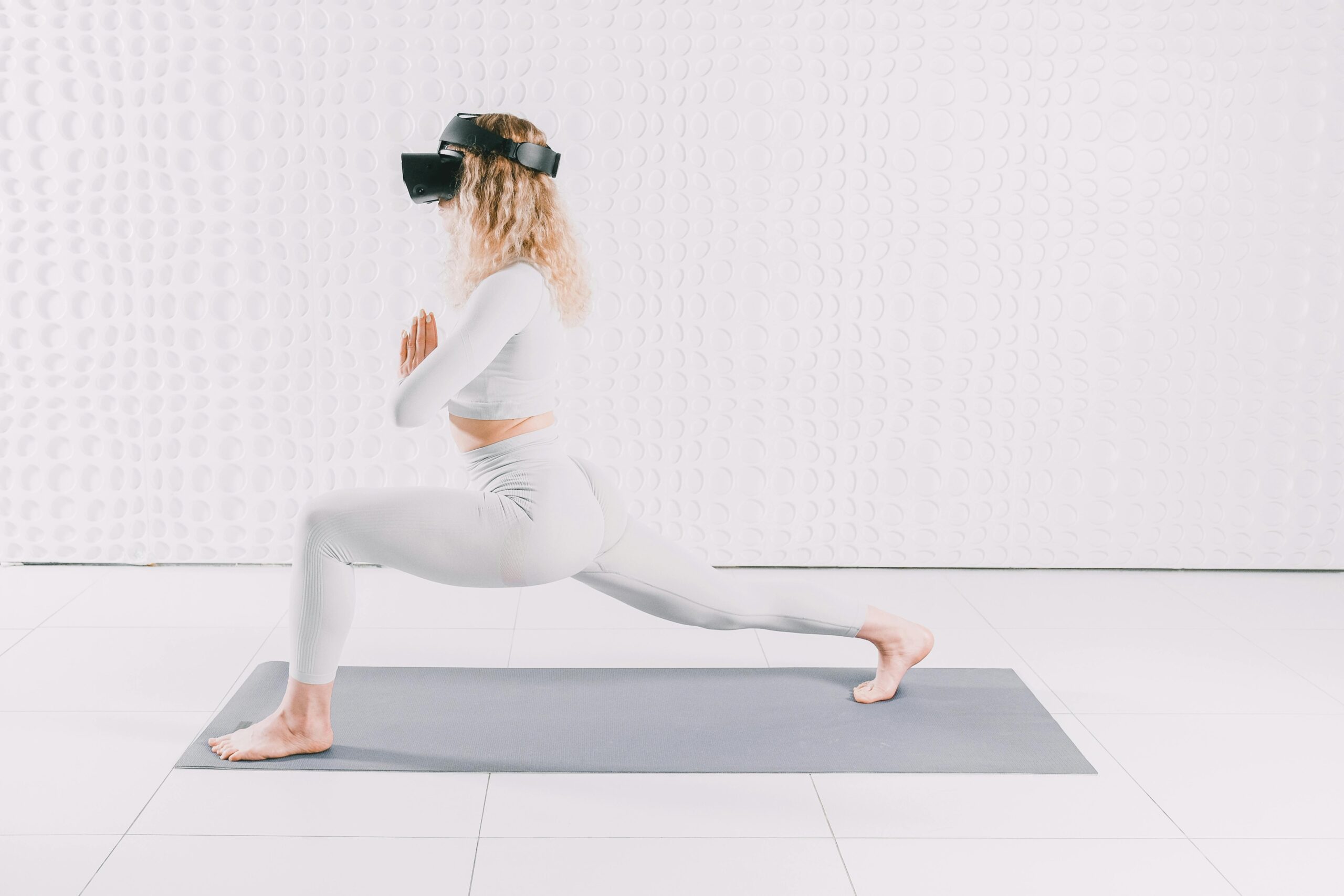
Create a dedicated area for VR meditation where you won’t be disturbed. Clear enough space to sit comfortably or stand if your chosen experience involves movement. Ensure adequate lighting so your VR headset’s tracking sensors function properly, but avoid extremely bright light that might leak around the headset’s edges.
Consider using a comfortable meditation cushion or chair, and keep the area at a pleasant temperature. Some practitioners find a small fan helpful, as VR headsets can become warm during extended sessions.
Your First VR Meditation Session
Start with shorter sessions of 5-10 minutes to acclimate yourself to the technology and immersive experience. Longer sessions can feel overwhelming initially, and shorter practices help you build comfort with the headset and virtual environments.
Begin with guided experiences that provide vocal instruction. This helps your mind stay focused while you adjust to the novel sensation of meditating in virtual reality. As you grow more comfortable, you can transition to unguided environments and longer session durations.
Pay attention to how your body feels. If you experience any discomfort, dizziness, or eye strain, remove the headset and take a break. These sensations typically decrease as you build tolerance for VR experiences.
Overcoming Common Challenges and Misconceptions 💭
Despite its benefits, VR meditation faces skepticism from some traditional meditation communities and encounters practical challenges that users should understand.
Addressing the “Technology in Meditation” Debate
Purists sometimes argue that using technology contradicts meditation’s essence, which emphasizes presence and non-attachment. However, this perspective overlooks that meditation has always adapted to different cultures and tools—from prayer beads to singing bowls to modern smartphone apps.
VR meditation isn’t meant to replace traditional practice entirely but rather to complement it and make meditation more accessible to people who struggle with conventional approaches. For someone with ADHD who finds focused attention nearly impossible without environmental support, VR meditation might be the difference between no practice and a transformative daily habit.
Managing Motion Sickness and Discomfort
Some users experience motion sickness or “VR sickness” during initial sessions, particularly in environments with significant movement or dynamic elements. This typically improves with gradual exposure, but you can minimize discomfort by:
- Choosing stationary environments initially rather than experiences with movement
- Adjusting headset settings to maximize frame rate and minimize lag
- Taking regular breaks and building up session duration gradually
- Ensuring your VR headset fits properly and lenses are correctly adjusted
- Avoiding VR meditation when feeling tired, unwell, or after consuming alcohol
If motion sickness persists beyond several sessions, consult your VR headset manufacturer’s guidelines or consider meditation environments with minimal motion and movement.
The Future of Immersive Meditation Technology 🚀
VR meditation technology continues evolving rapidly, with emerging innovations promising even more powerful and personalized experiences in coming years.
Biometric Integration and AI Personalization
Next-generation VR meditation platforms are incorporating advanced biometric sensors that monitor heart rate variability, breathing patterns, and even brain activity through EEG integration. These systems use artificial intelligence to adapt experiences in real-time based on your physiological state.
Imagine a meditation session that automatically adjusts its pacing when sensors detect you’re feeling anxious, or environments that shift their visual elements to complement your breathing rhythm. This level of personalization could dramatically increase meditation effectiveness for individual users.
Social VR Meditation Communities
While meditation is often solitary, group meditation has powerful benefits. Social VR platforms are creating spaces where users can meditate together in shared virtual environments, combining the accessibility of remote practice with the community support of in-person meditation groups.
These virtual sanghas (meditation communities) allow practitioners worldwide to connect, share experiences, and participate in guided sessions led by experienced teachers—all without geographic limitations.
Building a Sustainable VR Meditation Practice 🌱
Like any wellness practice, VR meditation delivers the greatest benefits when practiced consistently over time. Establishing sustainable habits requires intentionality and realistic expectations.
Creating Your Personal Practice Schedule
Consistency matters more than duration. A daily 10-minute VR meditation practice provides more cumulative benefit than occasional hour-long sessions. Identify a specific time that works within your schedule—many practitioners find early morning or evening before bed particularly effective.
Use calendar reminders or habit-tracking apps to maintain accountability, especially during the first few weeks when you’re building the routine. Consider pairing VR meditation with an existing habit, like practicing immediately after your morning coffee or right when you return home from work.
Combining VR with Other Meditation Approaches
Rather than viewing VR meditation as a complete replacement for other practices, consider it one tool in a broader mindfulness toolkit. Many practitioners find benefit in combining VR sessions with traditional seated meditation, walking meditation in nature, breathwork exercises, or body scan practices.
This varied approach prevents over-reliance on any single method and helps you develop meditation skills that remain effective regardless of technology access. You might use VR meditation for your primary daily practice while maintaining a weekly nature walk or attending periodic in-person meditation classes.
Transforming Your Mental Wellness Journey ✨
VR meditation represents more than just another wellness trend—it’s a fundamental shift in how we can access peace and cultivate mindfulness in an increasingly chaotic world. By leveraging immersive technology, these experiences offer an escape route from stress that’s immediately accessible and profoundly effective.
Whether you’re completely new to meditation or a seasoned practitioner seeking fresh approaches, VR meditation provides unique advantages worth exploring. The ability to instantly transport yourself to tranquil environments, the sensory richness that naturally focuses wandering attention, and the growing evidence of genuine therapeutic benefits all point toward VR becoming a mainstream meditation tool.
As you begin your journey into immersive meditation experiences, remember that the technology serves the practice, not the other way around. The headset is simply a gateway—a tool that helps you access the peace, clarity, and presence that ultimately come from within. Start slowly, experiment with different environments and applications, and remain open to the surprising ways that virtual reality can facilitate very real personal transformation.
The tranquility you seek isn’t somewhere distant or unattainable. With VR meditation, it’s just a headset away—ready to envelop you in peace whenever daily life becomes overwhelming. Your immersive escape into genuine calm awaits.