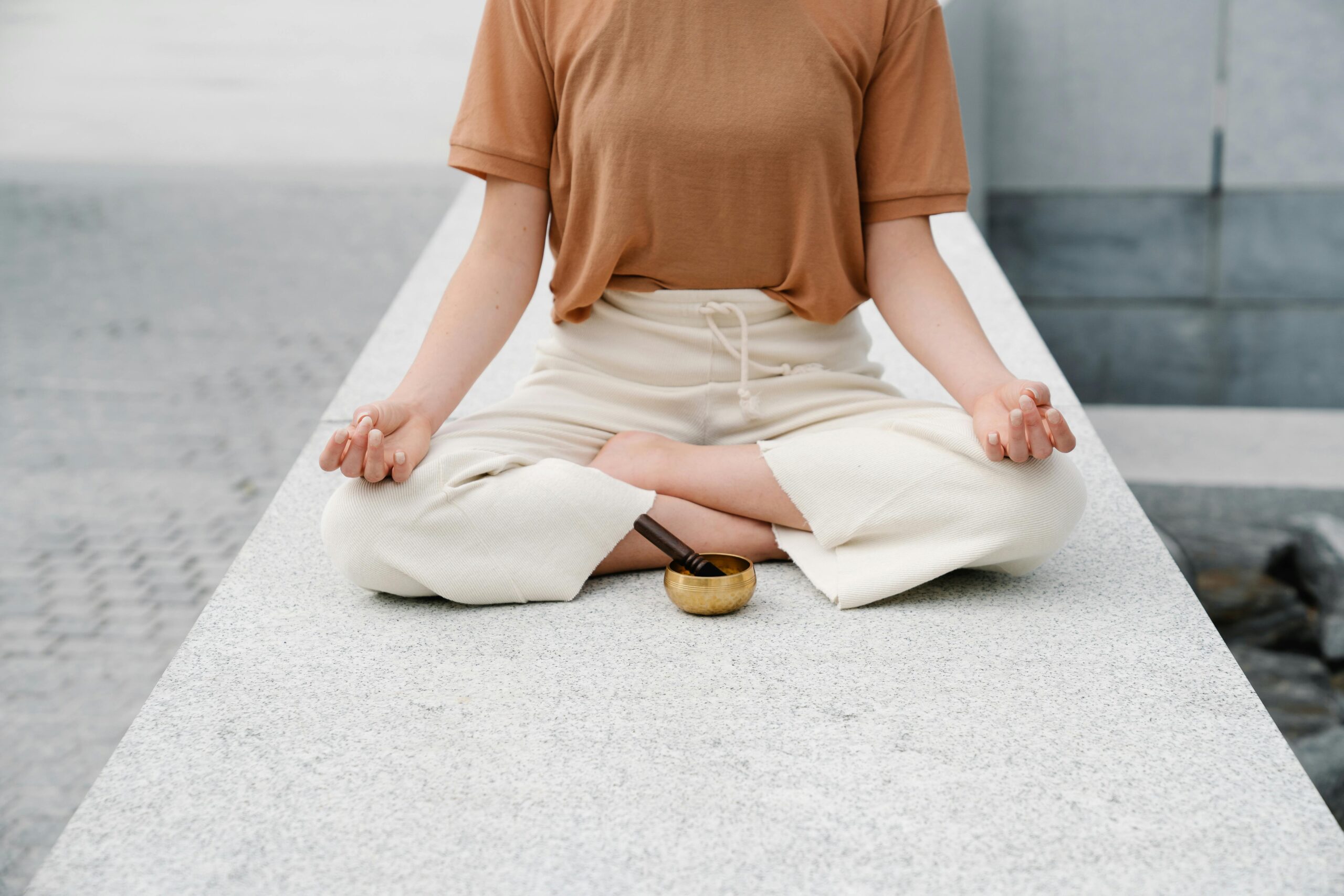
In our hyperconnected, overstimulated world, silence has become a rare and precious commodity that holds transformative power for our mental health and overall well-being.

The constant barrage of notifications, conversations, music, and environmental noise creates a mental landscape that rarely experiences true quietude. Yet, emerging research in psychology and neuroscience reveals that intentional moments of silence aren’t merely the absence of sound—they’re an active, regenerative state that profoundly impacts our cognitive function, emotional regulation, and physical health.
As we navigate increasingly demanding lifestyles, understanding the psychological benefits of silence becomes essential for cultivating resilience, clarity, and inner peace. This exploration into the power of quiet moments unveils why silence might be the most underrated tool in our wellness toolkit.
🧠 The Neuroscience Behind Silence: What Happens in Your Brain
When we experience silence, our brains don’t simply switch off—they engage in remarkably sophisticated processes. Neuroscientific studies have demonstrated that periods of silence activate the default mode network (DMN), a brain system associated with self-reflection, memory consolidation, and creative thinking.
Research conducted at Duke University found that two hours of silence per day prompted cell development in the hippocampus, the brain region related to memory formation and emotional processing. This discovery suggests that silence isn’t passive; it’s neurologically productive, allowing our minds to process experiences and form deeper connections between ideas.
The absence of auditory input also reduces cortisol levels—the stress hormone that, when chronically elevated, contributes to anxiety, depression, and various health complications. Silence essentially gives our auditory cortex a much-needed rest, allowing neural resources to redirect toward restorative processes.
The Default Mode Network: Your Brain’s Reset Button
The default mode network becomes particularly active during quiet moments, facilitating introspection and self-awareness. This network helps us construct our personal narratives, understand others’ perspectives, and engage in future planning. Without regular access to silence, this critical brain function becomes compromised, potentially impacting our sense of identity and purpose.
Modern neuroimaging techniques reveal that silence allows different brain regions to communicate more efficiently, creating what researchers call “neural coherence.” This state enhances problem-solving abilities and promotes the kind of insight that often arrives unexpectedly during quiet walks or meditation sessions.
💆♀️ Psychological Benefits: How Silence Heals the Mind
The psychological advantages of embracing silence extend far beyond simple relaxation. Regular exposure to quiet moments creates measurable improvements across multiple dimensions of mental health and cognitive performance.
Stress Reduction and Emotional Regulation
Silence acts as a natural stress buffer, providing our nervous systems with opportunities to shift from sympathetic activation (fight-or-flight mode) to parasympathetic dominance (rest-and-digest state). This physiological transition reduces blood pressure, slows heart rate, and promotes feelings of calm and safety.
A study published in the journal “Heart” discovered that two minutes of silence proved more relaxing than listening to supposedly “relaxing” music. The researchers attributed this effect to silence’s ability to reduce arousal in the amygdala—the brain’s emotional processing center—more effectively than any external stimulus.
For individuals managing anxiety disorders, depression, or trauma-related conditions, incorporating intentional silence into therapeutic practices significantly enhances treatment outcomes. The quiet allows space for emotions to surface and be processed without the distractions that typically enable avoidance.
Enhanced Focus and Cognitive Performance
Our attention spans suffer dramatically from constant stimulation. The average person now checks their phone over 150 times daily, fragmenting focus and depleting cognitive resources. Silence provides the mental space necessary for attention restoration, a concept developed by environmental psychologists Rachel and Stephen Kaplan.
Attention restoration theory posits that natural environments and quiet settings allow our directed attention mechanisms to recover from fatigue. After periods of silence, people demonstrate improved performance on tasks requiring sustained attention, better memory recall, and enhanced creative problem-solving abilities.
Creativity and Insight Development
Many of history’s greatest thinkers—from Einstein to Virginia Woolf—credited periods of solitude and silence for their breakthrough ideas. Silence creates the conditions for what psychologists call “incubation,” the unconscious processing of information that leads to sudden insights and creative solutions.
When we’re constantly consuming information and engaging with external stimuli, our minds lack the space to make novel connections between disparate concepts. Silence withdraws our attention from the external world, allowing internal associations to form organically.
🏞️ Silence in Practice: Integrating Quiet into Daily Life
Understanding the benefits of silence is one thing; implementing regular quiet practices in our noisy modern environment presents another challenge entirely. However, with intentional strategies, anyone can cultivate more silence in their daily routines.
Morning Silence Rituals
Beginning your day in silence sets a mindful tone for the hours ahead. Rather than immediately reaching for your phone or turning on the television, consider dedicating the first 15-30 minutes after waking to quiet activities: sitting with coffee without distractions, journaling in silence, or simply observing your thoughts without engaging with external media.
This morning practice doesn’t require meditation expertise or special equipment—simply the commitment to protect a small window of time from the demands of communication and consumption. Many practitioners report that this single habit transforms their entire day, providing greater emotional equilibrium and mental clarity.
Creating Silent Spaces in Your Environment
Environmental design significantly impacts our access to silence. Consider designating specific areas in your home as “quiet zones” where electronic devices, television, and unnecessary conversation are minimized. These spaces become refuges for reading, contemplation, or simply being present without distraction.
If you live in a noisy urban environment, noise-canceling headphones (worn without music) can create pockets of relative silence even in crowded spaces. Some people find white noise machines helpful for masking disruptive sounds while still maintaining a quality of quietness that allows mental restoration.
Silent Retreats and Extended Quiet Periods
For those seeking deeper experiences of silence, silent retreats offer immersive opportunities to disconnect from constant communication and noise. These experiences, ranging from day-long sessions to week-long programs, provide profound insights into our relationship with sound, stimulation, and self.
Participants in silent retreats consistently report transformative experiences: enhanced self-awareness, resolution of long-standing emotional issues, and renewed clarity about life priorities. While extended silent periods may seem intimidating, even brief retreats can catalyze significant psychological growth.
📱 Digital Silence: Quieting the Online Noise
Perhaps the most pervasive source of modern noise isn’t auditory—it’s digital. The constant stream of notifications, messages, and information creates mental clutter that’s equally disruptive to genuine silence as physical noise.
Implementing “digital silence” periods—designated times when you disconnect from all electronic communications—provides psychological benefits comparable to acoustic silence. During these periods, the brain recovers from the cognitive switching costs associated with multitasking and constant availability.
Mindful Technology Use
Rather than completely abandoning technology, consider using it more intentionally. Disable non-essential notifications, establish specific times for checking messages and social media, and create physical boundaries around device usage (such as keeping phones outside bedrooms overnight).
Some meditation and mindfulness apps can actually support your silence practice by providing structure and guidance. Apps like Insight Timer, Calm, or Headspace offer silent meditation timers and teachings about incorporating quiet into daily life.
🌟 The Social Dimensions of Silence
Silence isn’t only a solitary practice—it also holds power in our relationships and social interactions. Comfortable silence between people indicates deep trust and connection, while the absence of conversational noise allows for more authentic communication when words are eventually exchanged.
Silence in Communication
Therapists and counselors have long recognized silence’s therapeutic value in conversations. Pauses allow clients to access deeper emotions and insights that surface when given space rather than being immediately redirected by the therapist’s questions or interpretations.
In everyday relationships, learning to be comfortable with silence—rather than filling every moment with chatter—can deepen intimacy and understanding. Silence communicates presence and acceptance in ways that constant talking cannot.
Collective Silence and Shared Experience
Group meditation, Quaker meetings, and moments of silence at commemorative events demonstrate silence’s power to create shared meaning and connection. These collective quiet moments often feel more profound than individual silence, suggesting that quietness in community serves unique psychological and social functions.
⚠️ Navigating Challenges: When Silence Feels Uncomfortable
For some individuals, especially those unaccustomed to quiet or dealing with certain psychological conditions, silence can initially provoke anxiety rather than peace. Understanding these challenges helps develop more compassionate, effective approaches to cultivating silence.
Silence and Intrusive Thoughts
When external stimulation diminishes, internal mental activity becomes more apparent. For people with anxiety, depression, or trauma histories, this can mean confronting difficult thoughts and emotions that usually remain suppressed beneath constant distraction.
Rather than viewing this as a reason to avoid silence, mental health professionals suggest approaching quiet moments gradually, perhaps beginning with just a few minutes daily and slowly extending duration as comfort increases. Combining silence with gentle, grounding practices like breath awareness can help manage the initial discomfort.
Cultural and Individual Differences
Cultural backgrounds significantly influence our relationships with silence. Some cultures view quietness as contemplative and respectful, while others interpret it as awkward or even hostile. Recognizing these differences helps us understand our own comfort levels and adapt silence practices to our unique contexts.
Individual personality factors also matter—introverts typically find silence more restorative than extroverts, who may prefer lower-stimulation social interaction to complete quiet. Tailoring your silence practice to your temperament increases sustainability and effectiveness.
🔬 Research Insights: What Science Tells Us
The scientific investigation of silence continues to reveal fascinating insights about its effects on human psychology and physiology. A 2013 study in the journal “Brain, Structure and Function” found that silence actually generates new cells in the hippocampus, with implications for memory, learning, and potentially even preventing cognitive decline.
Research at the University of Pavia in Italy demonstrated that silence interspersed with music created more relaxation than music alone, suggesting that strategic use of quiet pauses enhances our ability to process and benefit from other experiences.
Environmental psychology studies consistently show that access to quiet spaces correlates with lower stress levels, better sleep quality, and improved overall life satisfaction. These findings have prompted some urban planners to prioritize “quiet zones” in city design, recognizing silence as a public health resource.
🌱 Cultivating a Personal Silence Practice
Developing a sustainable relationship with silence requires experimentation, patience, and self-compassion. There’s no single “correct” way to incorporate quiet into your life—the most effective approach aligns with your circumstances, preferences, and goals.
Begin by noticing your current relationship with silence. Do you actively avoid it? Does it make you uncomfortable? Or do you crave more quiet than your lifestyle currently allows? This awareness provides a foundation for intentional change.
Start small with manageable commitments: five minutes of silent reflection before bed, a device-free breakfast, or a quiet walk without podcasts or music. As these practices become habitual, you can gradually expand the duration and frequency of your silent moments.
Track your experiences in a journal, noting how different amounts and types of silence affect your mood, energy, creativity, and stress levels. This self-monitoring helps identify what works best for you and provides motivation as you observe the benefits accumulating over time.

✨ The Profound Gift of Quietude
In reclaiming silence from our overstimulated lives, we reclaim essential aspects of our humanity—the capacity for reflection, the space for creativity, and the opportunity for genuine rest. Silence isn’t an absence to be filled but a presence to be embraced, a resource as vital as nutrition or sleep for optimal psychological functioning.
The psychological benefits of regular quiet moments extend beyond individual well-being, influencing how we relate to others, engage with our work, and navigate life’s inevitable challenges. In silence, we access deeper wisdom, process complex emotions, and restore the mental resources that modern life constantly depletes.
As research continues illuminating silence’s neurological and psychological impacts, the ancient wisdom of contemplative traditions finds scientific validation. Whether through meditation, nature immersion, digital detoxes, or simply sitting quietly with a cup of tea, the path to incorporating more silence is accessible to everyone willing to pause amidst the noise.
The power of silence lies not in escape from the world but in returning to it more centered, clear, and capable. In choosing moments of quietude, we choose greater presence, deeper connection, and more authentic engagement with ourselves and others. This choice, repeated daily, transforms not just individual moments but entire lives. 🌿