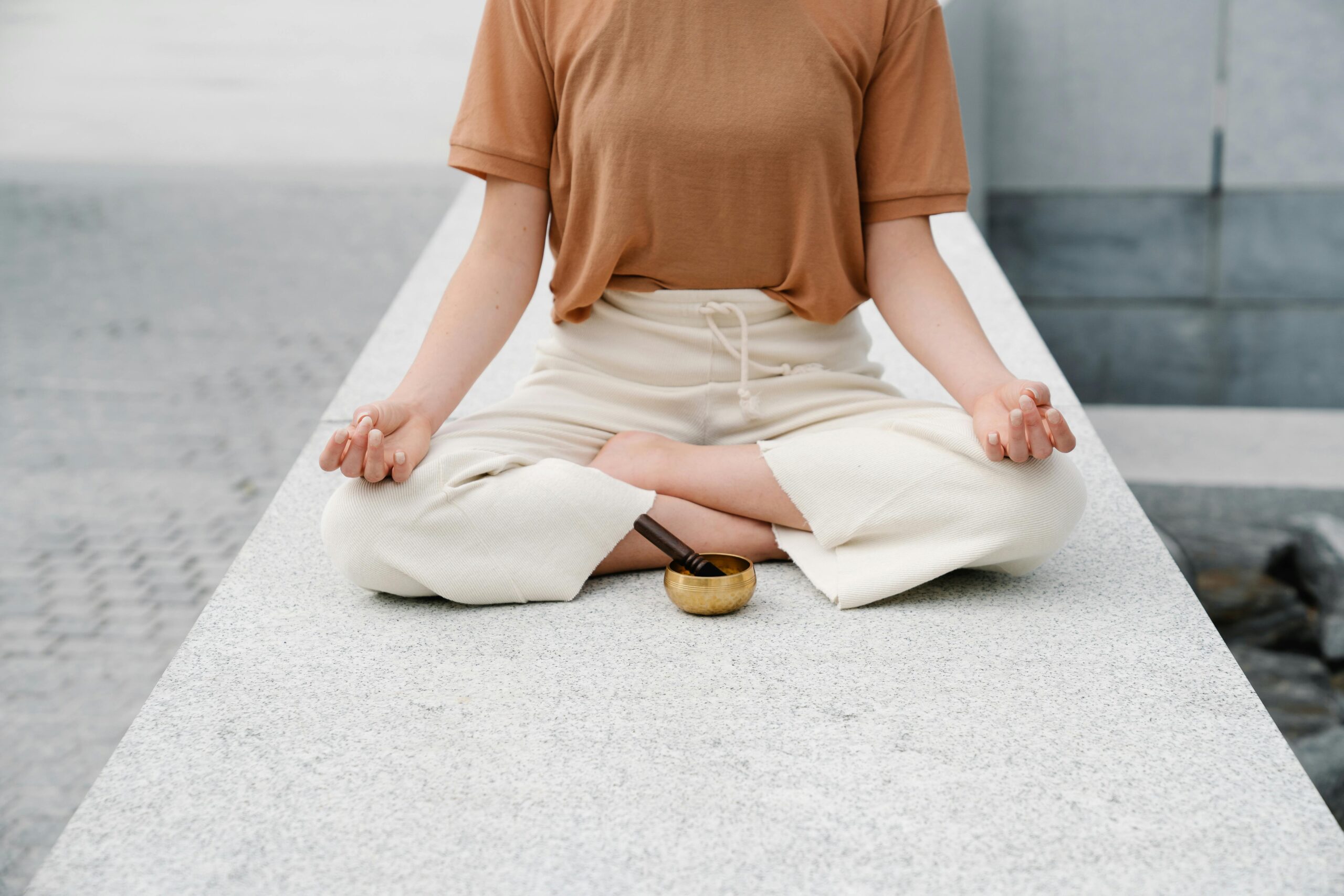
Metta and compassion are ancient practices that hold profound power to reshape how we relate to ourselves and others, bringing lasting peace and emotional healing into everyday life.

🌟 What Metta Truly Means: Beyond Simple Kindness
Metta, often translated as “loving-kindness” from the Pali language, represents far more than casual friendliness or superficial niceness. This Buddhist concept embodies an unconditional, boundless goodwill toward all beings—including ourselves. Unlike conditional love that depends on circumstances or behavior, metta flows freely without expectation of return or reward.
The practice of metta meditation involves systematically cultivating warm-hearted feelings, starting with ourselves and gradually extending outward to loved ones, neutral people, difficult individuals, and eventually all living beings. This progressive approach recognizes that genuine compassion for others must be rooted in self-compassion, creating a stable foundation for authentic connection.
Research in neuroscience has revealed that regular metta practice literally rewires the brain, strengthening neural pathways associated with empathy, emotional regulation, and positive affect. Studies at institutions like Stanford University and the University of Wisconsin-Madison have documented measurable increases in positive emotions and social connectedness among practitioners.
Compassion as Your Superpower: Understanding Its True Nature
Compassion differs from sympathy or pity in its active quality. While sympathy involves feeling sorry for someone’s suffering from a distance, compassion includes the motivation to alleviate that suffering. The Dalai Lama describes compassion as “a sensitivity to suffering in self and others with a commitment to try to alleviate and prevent it.”
This quality emerges when we truly recognize our shared humanity—the universal experience of pain, loss, disappointment, and struggle that connects every person regardless of background or circumstance. Compassion acknowledges that suffering is part of the human condition, not a personal failure or weakness.
When we develop compassion, we stop seeing others’ difficulties as separate from our own experience. This shift in perspective dissolves the artificial barriers between “us” and “them,” creating space for genuine understanding and connection. Far from making us weak or vulnerable, compassion actually builds resilience and emotional strength.
🧘♀️ The Traditional Metta Meditation Practice
Beginning a metta meditation practice doesn’t require special equipment, extensive training, or perfect conditions. You can start exactly where you are, with just a few minutes each day. The traditional approach follows a specific sequence designed to gradually expand your capacity for loving-kindness.
Find a comfortable seated position and take several deep breaths to settle your mind. Begin by directing metta toward yourself, silently repeating phrases such as:
- May I be safe and protected
- May I be peaceful and happy
- May I be healthy and strong
- May I live with ease
If directing kindness toward yourself feels uncomfortable or awkward, that’s completely normal. Many people find self-compassion challenging at first. Simply notice the resistance without judgment and continue with the phrases. Over time, this discomfort typically softens.
After several minutes focused on yourself, bring to mind someone you love deeply—a person for whom feeling warmth comes naturally. Visualize them clearly and repeat the phrases, replacing “I” with “you” or their name. Allow genuine feelings of care to arise.
Next, think of a neutral person—perhaps someone you see regularly but don’t know well, like a grocery store clerk or mail carrier. This stage helps us recognize that all people deserve kindness regardless of our relationship with them.
The fourth stage involves a difficult person—someone who has hurt you or with whom you have conflict. This doesn’t mean condoning harmful behavior; rather, it acknowledges their humanity and your own freedom from resentment. This stage can be challenging and should be approached gradually.
Finally, expand your awareness to include all beings everywhere, repeating: “May all beings be safe, peaceful, healthy, and live with ease.” Imagine this goodwill radiating outward in all directions, encompassing humans, animals, and all life forms.
Integrating Compassion Into Daily Interactions
While formal meditation practice provides valuable training, the real transformation occurs when we bring these qualities into everyday situations. Compassion becomes truly powerful when it moves beyond the meditation cushion into our relationships, work environments, and chance encounters.
Start by pausing before reacting to challenging situations. When someone cuts you off in traffic, speaks rudely, or disappoints you, take a breath and consider what might be happening in their life. Perhaps they’re rushing to the hospital, dealing with devastating news, or struggling with issues you can’t see. This perspective shift doesn’t excuse poor behavior but prevents it from triggering unnecessary suffering in you.
Practice active listening with full presence. When someone shares their difficulties, resist the urge to immediately offer solutions or share your own similar experiences. Simply listen with an open heart, acknowledging their feelings without trying to fix or change them. Sometimes people need witnessing more than advice.
Notice your internal dialogue throughout the day. How do you speak to yourself when you make mistakes? Many people use harsh, critical language they would never direct at a friend. Begin replacing self-criticism with the same kindness you cultivate in metta practice. Treat yourself as you would a beloved child learning something new.
💚 The Science Behind These Transformative Practices
Modern research has provided compelling evidence for what contemplative traditions have known for millennia: loving-kindness and compassion practices produce measurable changes in brain structure and function. Functional MRI studies show increased activity in areas associated with empathy and emotional processing during and after metta meditation.
Barbara Fredrickson’s research at the University of North Carolina demonstrated that just seven weeks of loving-kindness meditation increased daily experiences of positive emotions, which in turn produced increases in personal resources including purpose in life, social support, and decreased illness symptoms. These benefits created an upward spiral, with positive emotions building upon themselves.
Studies on compassion meditation have shown reduced inflammatory responses to stress at the cellular level. Researchers found that compassion training decreased levels of interleukin-6, a biomarker of inflammation linked to various health problems including cardiovascular disease and depression.
Neuroscientist Richard Davidson’s work at the Center for Healthy Minds has revealed that compassion training increases activity in neural systems related to empathy and theory of mind—our ability to understand others’ perspectives. Even brief compassion meditation can enhance altruistic behavior, making people more likely to help others in need.
Overcoming Common Obstacles in Practice
Many practitioners encounter similar challenges when beginning metta and compassion work. Understanding these obstacles and how to work with them skillfully can prevent discouragement and support sustained practice.
The phrases feeling mechanical or empty is one of the most common difficulties. When words seem hollow, try connecting with the feeling behind them rather than focusing on the words themselves. Visualize someone you love and notice the warm feeling that arises naturally. Let that feeling guide the practice rather than the specific phrases.
Difficulty with self-compassion affects many people, particularly those raised in cultures emphasizing self-criticism as motivation. If directing kindness toward yourself feels impossible, start with someone who loves you unconditionally. Imagine how they see you, then try adopting that perspective toward yourself. Alternatively, begin with a younger version of yourself—your child self deserves compassion easily.
Resistance when working with difficult people can be strong. You don’t need to start with your most challenging relationship. Begin with mildly annoying people and gradually build capacity. Remember that sending metta to someone doesn’t mean approving of their actions—it means freeing yourself from the suffering that hatred and resentment create.
Feelings of artificiality or forcing positive emotions can arise, making practice feel inauthentic. Metta meditation doesn’t require generating feelings you don’t have. Instead, it creates conditions where natural warmth can arise. If genuine feeling doesn’t appear, the intention itself is valuable and plants seeds for future growth.
🌈 Expanding Practice Through Different Approaches
While traditional metta meditation provides a solid foundation, various complementary practices can deepen and diversify your compassion cultivation. Different approaches resonate with different personalities and life situations.
Compassion-focused imagery involves visualizing yourself receiving compassion from a wise, loving figure—real or imagined. This could be a grandparent, spiritual teacher, or even an archetypal compassionate presence. Feel their unconditional acceptance and allow it to soften self-judgment and criticism.
Tonglen, a Tibetan Buddhist practice, involves breathing in the suffering of others and breathing out relief and happiness. Though counterintuitive, this practice prevents the common trap of compassion that keeps suffering at a distance. By consciously connecting with pain, we develop courage and reduce fear of difficult emotions.
Gratitude practices naturally complement metta by focusing attention on positive aspects of life and relationships. Keeping a daily gratitude journal or mentally noting three good things before sleep shifts the brain’s negativity bias and strengthens appreciation for the kindness we receive.
Compassionate touch involves placing your hand on your heart or offering yourself a gentle hug during difficult moments. Physical self-soothing activates the parasympathetic nervous system, reducing stress hormones and creating feelings of safety and comfort.
The Ripple Effect: How Your Practice Transforms Others
Individual transformation naturally extends outward, influencing relationships, communities, and broader society. This isn’t magical thinking but rather the natural consequence of changed behavior and energy. When you respond with patience instead of irritation, curiosity instead of judgment, others feel it and often soften in return.
Families notice when one member develops a regular metta practice. Conflicts that once escalated may resolve more smoothly. Children absorb the model of self-compassion and empathy, learning emotional skills that will serve them throughout life. Partners experience greater understanding and acceptance, creating space for authentic vulnerability.
Workplaces benefit from compassionate leadership and colleagues. Research shows that compassionate organizational cultures increase employee engagement, reduce burnout, and improve team cooperation. Compassion doesn’t mean avoiding difficult conversations or lowering standards—it means addressing challenges with respect for everyone’s humanity.
Communities transform as individuals bring loving-kindness into volunteer work, neighborhood interactions, and civic engagement. Compassion motivates action on behalf of others while preventing the burnout that often accompanies passionate activism. Sustainable social change requires practitioners who can maintain care without exhausting themselves.
💫 Creating Your Personalized Practice Schedule
Consistency matters more than duration in contemplative practice. A brief daily session builds stronger neural pathways and life impact than occasional lengthy meditations. Design a realistic schedule that fits your actual life rather than an idealized version.
Morning practice sets a compassionate tone for the day ahead. Just five to ten minutes after waking can shift your baseline emotional state, making you more likely to respond skillfully to challenges. Some people combine metta phrases with their morning coffee or commute.
Midday practice resets your emotional state when stress accumulates. A brief loving-kindness pause during lunch or between meetings prevents reactive behaviors and restores perspective. Even two minutes of self-compassion phrases can significantly impact afternoon interactions.
Evening practice processes the day’s experiences with kindness. Reviewing challenging moments through a compassionate lens reduces rumination and promotes restful sleep. Extend metta to anyone you struggled with today, releasing resentment before bed.
Mini-practices throughout the day—silently wishing “may you be happy” when passing strangers, pausing to appreciate someone’s kindness, or placing a hand on your heart during stress—weave compassion into ordinary moments. These brief connections accumulate, gradually shifting your default perspective.
Measuring Your Progress Without Attachment
Paradoxically, obsessing over progress can hinder growth in compassion practices. The point isn’t to achieve some perfect state but to show up consistently with openness. Still, noticing changes can encourage continued practice and help you understand what works for you.
Track subtle shifts in reactivity. Do you recover more quickly from frustration? Do fewer things trigger strong negative reactions? Notice whether you can pause before responding rather than immediately reacting to provocation.
Pay attention to self-talk. Has your internal critic softened? Do you speak to yourself with more kindness when facing mistakes or challenges? Reduced self-judgment often appears before external changes become obvious.
Observe relationship dynamics. Are conflicts resolving more smoothly? Do you feel more connected to others? Are people responding differently to you? Others often notice our increased calm and openness even before we fully recognize these changes ourselves.
Notice your capacity for difficult emotions. Can you sit with discomfort more easily? Do you have more space around painful feelings? Compassion practice doesn’t eliminate difficult emotions but changes our relationship with them, creating resilience.

🙏 Living the Practice: Beyond Formal Meditation
Ultimately, metta and compassion transcend specific meditation techniques to become a way of moving through the world. The practices described here serve as training grounds for a more fundamental shift in how we perceive and engage with life.
This shift manifests in small choices: pausing before criticizing, choosing curiosity over judgment, offering help without needing recognition, forgiving yourself and others more readily. These micro-moments of compassion accumulate into a transformed life characterized by greater peace, connection, and meaning.
The journey never truly ends. Even experienced practitioners encounter moments of harsh judgment, reactivity, and closed-heartedness. The difference lies in how quickly we recognize these moments and return to compassion—not as failure to fix but as welcome opportunities to practice once again.
As you develop these practices, remember that self-compassion includes accepting your imperfect practice. Some days meditation feels easy and expansive; other days it feels forced and frustrating. Both experiences are part of the path. The invitation is simply to begin where you are, with whatever capacity you currently have, and trust that consistent practice will gradually unlock the transformative power of loving-kindness.
Your willingness to cultivate metta and compassion doesn’t just transform your own life—it becomes a gift to everyone you encounter, radiating outward in ways you may never fully see but that nonetheless matter deeply in this interconnected world we share.