Imagine entering a work state so immersive that hours pass like minutes, productivity soars, and quality reaches new heights—this is the power of flow states.

🧠 The Intersection of Meditation and Peak Performance
The modern workplace demands more than just hard work—it requires smart work. As professionals across industries grapple with information overload, constant distractions, and mounting pressure to deliver exceptional results, a revolutionary approach has emerged: combining meditative practices with intentional work strategies to achieve flow states.
Flow states, first identified by psychologist Mihaly Csikszentmihalyi, represent those magical moments when we’re completely absorbed in our tasks, performing at our absolute best. When merged with meditative awareness, these states become not just occasional occurrences but accessible tools for consistent peak performance.
Understanding how to harness this powerful combination can transform your productivity from sporadic bursts of energy into sustained, high-quality output that feels effortless rather than exhausting.
Understanding Flow States: The Science Behind the Zone
Flow states occur when your skills perfectly match the challenge at hand. Too easy, and you’re bored. Too difficult, and anxiety creeps in. The sweet spot—where challenge and competence align—creates conditions for extraordinary performance.
Neuroscientifically, flow states involve decreased activity in the prefrontal cortex, a phenomenon called transient hypofrontality. This temporary reduction in self-monitoring and time perception allows for heightened focus and creativity. Simultaneously, your brain releases a cocktail of performance-enhancing neurochemicals including dopamine, norepinephrine, endorphins, anandamide, and serotonin.
The Neurochemistry of Peak Performance
When you enter flow, your brain undergoes remarkable changes. Dopamine sharpens focus and pattern recognition. Norepinephrine accelerates heart rate and increases arousal, making you more alert. Endorphins block pain signals, allowing you to push through discomfort. Anandamide enhances lateral thinking and creative problem-solving. Serotonin creates a sense of inner peace and satisfaction.
This neurochemical cascade explains why flow states feel so rewarding and why we naturally seek to recreate them. Your brain literally rewards you for achieving this optimal state of consciousness.
Meditative Work: Beyond Traditional Meditation Practices 🧘
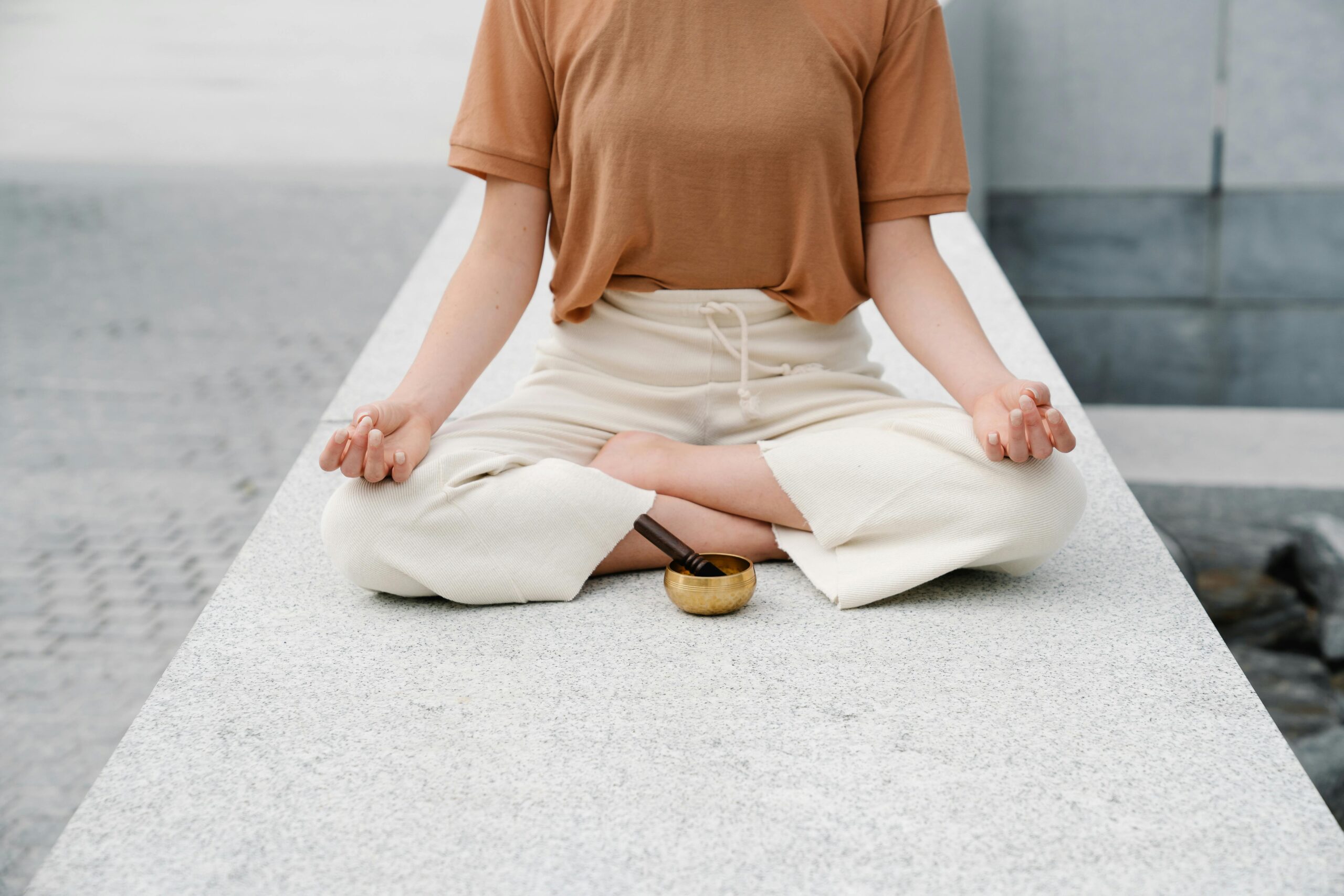
Meditative work doesn’t mean sitting cross-legged between emails. Instead, it represents bringing meditative qualities—present-moment awareness, non-judgmental observation, and focused attention—into your actual work activities.
This approach transforms routine tasks into opportunities for mindful engagement. Whether you’re coding, writing, designing, or analyzing data, meditative work means approaching each activity with deliberate presence and intentional focus.
Traditional meditation builds the mental muscles needed for sustained attention. Meditative work applies these muscles to professional challenges, creating a bridge between contemplative practice and productive action.
The Three Pillars of Meditative Work
First, present-moment awareness keeps you anchored in the current task rather than scattered across past regrets or future worries. Second, non-judgmental observation allows you to notice distractions without becoming derailed by them. Third, intentional focus directs your attention deliberately rather than reactively responding to every notification and interruption.
Together, these pillars create the mental environment where flow states naturally emerge and sustained peak performance becomes possible.
Creating Your Flow Environment: External Conditions Matter
While flow is an internal state, external conditions significantly influence your ability to access it. Your physical workspace, digital environment, and temporal boundaries all play crucial roles in facilitating or hindering flow.
Environmental design for flow requires intentionality. Consider factors like lighting, noise levels, ergonomics, and visual distractions. Natural light boosts alertness and mood. Moderate ambient noise can enhance creativity for some tasks, while silence benefits others requiring deep concentration.
Digital Workspace Optimization
Your digital environment deserves equal attention. Close unnecessary browser tabs. Use website blockers during focus periods. Enable “do not disturb” modes across devices. Consider using dedicated focus apps that track your deep work sessions and provide analytics on your productivity patterns.
Organize your digital tools to minimize friction. Keep frequently used applications readily accessible. Create templates for repetitive tasks. Automate what can be automated. Every second spent navigating unnecessary complexity is a second pulled away from flow.
The Pre-Flow Ritual: Priming Your Mind for Peak Performance ✨
Elite athletes don’t simply walk onto the field—they engage in warm-up routines that prepare body and mind for peak performance. Similarly, entering flow states benefits tremendously from intentional preparation rituals.
Your pre-flow ritual should signal to your brain that focused work time has arrived. This might include a brief meditation, specific music, a particular beverage, or a consistent physical location. The key is consistency—repeating the same ritual trains your brain to associate these cues with deep focus.
Building Your Personal Entry Protocol
Start with a five-minute breathing exercise to center your attention. Review your specific objectives for the session—clarity of purpose is essential for flow. Eliminate potential interruptions proactively. Inform colleagues you’ll be unavailable. Silence your phone. Close communication apps.
Set a clear time boundary. Flow states benefit from knowing there’s a defined container for your focus. Ninety-minute blocks work well for most people, aligning with our natural ultradian rhythms of peak alertness.
Matching Tasks to Flow Potential: Strategic Work Selection
Not all tasks equally support flow states. Administrative minutiae, frequent context-switching, and unclear objectives actively prevent flow. Understanding which activities in your role have high flow potential allows you to structure your schedule strategically.
High-flow activities typically involve clear goals, immediate feedback, and an appropriate challenge level. Creative work, problem-solving, strategic analysis, and skill-based execution all lend themselves well to flow states.
| High Flow Potential | Low Flow Potential |
|---|---|
| Deep writing or coding | Answering emails |
| Strategic planning | Administrative paperwork |
| Creative design work | Brief status meetings |
| Complex problem-solving | Routine data entry |
| Skill practice and development | Social media management |
Reserve your peak energy hours for high-flow activities. Batch low-flow tasks into dedicated time blocks. This strategic approach maximizes your flow opportunities while ensuring necessary but less engaging work still gets completed.
The Challenge-Skill Balance: Finding Your Growth Edge 📈
Flow exists at the intersection of ability and difficulty. When challenges exceed skills, anxiety results. When skills exceed challenges, boredom emerges. The flow channel sits precisely between these extremes.
This means continuous growth is essential for sustained access to flow. As your abilities increase, you must seek progressively greater challenges to maintain that optimal balance. Stagnation is flow’s enemy.
Progressive Skill Development
Deliberately push into your growth zone—tasks that stretch your abilities without breaking them. This requires honest self-assessment and willingness to embrace productive discomfort.
Track your skill development across key competencies. Notice when tasks that once challenged you now feel routine. That’s your signal to increase difficulty. Seek projects with new elements. Learn complementary skills. Take on greater responsibility.
Flow doesn’t mean everything feels easy—it means you’re appropriately challenged in a way that fully engages your current capabilities while pulling you toward new levels of mastery.
Breathing Techniques for Sustained Focus 🌬️
Breath is the bridge between mind and body, conscious and unconscious. Specific breathing patterns can induce states conducive to flow by regulating your nervous system and optimizing oxygen delivery to your brain.
Box breathing—inhaling for four counts, holding for four, exhaling for four, holding for four—creates calm alertness ideal for beginning focused work sessions. Coherent breathing at a rate of five breaths per minute maximizes heart rate variability, promoting both relaxation and mental clarity.
Maintaining Flow Through Breath Awareness
Once in flow, subtle breath awareness helps maintain the state. Notice your natural breathing rhythm without forcing changes. When you catch yourself becoming tense or distracted, return attention briefly to your breath. This micro-intervention can restore focus without fully breaking flow.
During particularly intense focus periods, people often unconsciously hold their breath or breathe shallowly. Periodic breath awareness checks ensure adequate oxygenation, preventing the mental fatigue that prematurely ends flow states.
Recovery and Reflection: The Often-Ignored Half of Peak Performance
Sustainable high performance requires intentional recovery. You cannot maintain flow indefinitely without depleting your cognitive resources. Building recovery practices into your routine ensures you can access flow repeatedly rather than burning out after a few intense sessions.
After a deep work session, engage in completely different activities. Physical movement, social interaction, or passive entertainment allows your focused attention networks to rest. The brain consolidates learning and insight during these recovery periods.
The Power of Productive Downtime
Counter-intuitively, stepping away from work often advances it. The diffuse mode of thinking that occurs during breaks frequently produces breakthrough insights that evaded you during focused effort. Honor these natural cycles rather than forcing continuous intensity.
Reflection practices amplify learning from your flow experiences. After sessions, briefly journal about what worked. Which conditions supported flow? When did you lose it? What would you adjust next time? This metacognitive practice accelerates your ability to reliably access flow states.
Overcoming Common Flow Blockers: Practical Troubleshooting
Even with ideal conditions, obstacles arise. Recognizing common flow blockers and having strategies to address them prevents minor disruptions from derailing entire work sessions.
- Internal distractions: Wandering thoughts about other tasks or concerns. Counter with brief notation—write the thought down to address later, then return to focus.
- Unclear objectives: Vague goals prevent flow. Spend time clarifying exactly what you’re trying to accomplish before beginning.
- Perfectionism: Excessive self-criticism interrupts flow. Adopt a “draft mindset”—focus on progress over perfection during flow sessions, refine later.
- Energy depletion: Physical factors like hunger, dehydration, or fatigue sabotage focus. Address basic needs before attempting deep work.
- Environmental interruptions: Unexpected disruptions from people or technology. Proactively communicate boundaries and use tools to enforce them.
When flow breaks despite best efforts, don’t compound the problem with frustration. Simply reset using your entry ritual and begin again. Building flow capacity is a practice, not a perfection.
Measuring and Tracking Your Flow Progress 📊
What gets measured gets managed. Tracking your flow experiences provides valuable data for optimization and motivation through visible progress.
Record simple metrics: duration of flow sessions, subjective flow intensity ratings, output quality assessments, and environmental factors present. Over weeks and months, patterns emerge revealing your optimal conditions and areas for improvement.
Use a simple daily log or dedicated productivity app to capture this information. The act of tracking itself reinforces intentionality around flow practices and provides accountability.
Qualitative Assessment Matters Too
Beyond quantitative metrics, notice qualitative shifts. Are flow states becoming more accessible? Does it take less time to enter them? Do they last longer? Is the depth of focus increasing? Is post-flow recovery becoming more efficient?
These subjective improvements often precede measurable productivity gains and indicate you’re developing genuine flow capacity, not just occasionally stumbling into ideal conditions.
Integrating Flow States Into Long-Term Professional Development 🚀
Flow isn’t just a productivity hack—it’s a foundation for sustainable excellence throughout your career. As you develop consistent access to flow states, your relationship with work fundamentally transforms.
Tasks that once felt draining become energizing. Quality improves while effort feels decreased. You develop reputation for deep expertise as your focused practice accumulates competitive advantages others can’t match through scattered attention.
Long-term, flow practice builds meta-skills that transfer across domains: concentration capacity, emotional regulation, stress resilience, and intrinsic motivation. These foundational capabilities support success regardless of specific career changes.
Flow as a Lifestyle, Not a Technique
Ultimately, cultivating flow states extends beyond isolated work sessions into a broader approach to living. The qualities that facilitate professional flow—presence, intentionality, appropriate challenge-seeking—enrich all life areas.
Many practitioners find that developing meditative work practices naturally influences how they approach relationships, health, creativity, and personal growth. The skills are fundamentally about engaging fully with experience, which creates meaning and satisfaction wherever applied.

Your Next Steps: From Understanding to Implementation
Knowledge without application remains theoretical. The journey from understanding flow states to consistently harnessing them requires deliberate experimentation and patience with the learning process.
Start small. Choose one upcoming work session to approach with flow principles. Prepare your environment. Engage your pre-flow ritual. Select an appropriately challenging task. Commit to focused attention for a defined period. Notice what happens without judgment.
Build gradually. Don’t expect immediate mastery. Each attempt provides data. Each session builds capacity. Consistency matters more than perfection. Even partially successful flow attempts strengthen the neural pathways that make future access easier.
Remember that developing flow capacity is itself a flow-worthy challenge. The process of learning to harness flow states offers the same rewards—clear goals, immediate feedback, appropriate challenge—that characterize flow itself. Embrace the meta-level irony and enjoy the journey.
Your productivity potential extends far beyond what current performance suggests. Flow states represent not just incremental improvements but quantum leaps in capability. By systematically applying meditative awareness to focused work, you unlock levels of performance that transform not just output but your entire experience of professional life. The zone isn’t reserved for elite athletes or creative geniuses—it’s accessible to anyone willing to cultivate the conditions that make it possible. 🎯